Skip to content

How to Choose a Top China Plastic Mold Design Company?

Choosing a top China plastic mold design company requires more than comparing prices or browsing polished websites. A reliable partner should understand your product, production volume, material, and market requirements. The best teams connect design decisions with real manufacturing results. They check wall thickness, draft angles, shrinkage, cooling channels, and ejection risks before cutting steel. Small oversights can create flash, warping, or difficult assembly later.

Ask for evidence, not promises. Review relevant project photos, technical drawings, inspection reports, and customer references. A capable supplier should explain its DFM process in clear language. It should also identify possible weaknesses instead of agreeing with every request. That honesty matters. A mold may look excellent in a presentation and still perform poorly during repeated cycles. Request details about mold steel, machining equipment, trial procedures, dimensional inspection, and maintenance support. Certifications can help, but they do not replace practical experience. Neither does a low quotation.

Communication is another measurable factor. Notice how quickly the company answers technical questions and records design changes. Strong suppliers use controlled documents, sample approvals, and clear acceptance criteria. They should respect confidentiality and follow applicable safety, quality, and trade requirements. No company is perfect. Even experienced engineers can miss a difficult tolerance or underestimate production conditions. The difference appears in how quickly problems are reported, tested, and corrected. During supplier evaluation, consider technical skill, transparency, responsiveness, and long-term support together. The right plastic mold design partner should reduce uncertainty from the first concept review through stable mass production.
How to Choose a Top China Plastic Mold Design Company?

Define Your Plastic Mold Design Requirements and Project Goals

How to Choose a Top China Plastic Mold Design Company?

Define Your Plastic Mold Design Requirements and Project Goals

A reliable mold project begins with clear requirements, not a quick quotation. Describe the part’s function, resin type, surface finish, dimensions, and expected production volume. Add the critical tolerances. For example, a snap-fit housing may need a controlled gap near its locking edge. A vague tolerance can create expensive revisions later.

Share a 3D model, 2D drawings, sample parts, and packaging limits with the design team. Explain whether the mold will support a short trial run or millions of cycles. Engineers should review draft angles, wall thickness, parting lines, ejection marks, and cooling access. They should also question unsuitable choices. That is useful expertise.

Ask for a design review before steel cutting. Request a written DFM report, mold-flow observations, material recommendations, and an inspection plan. Experienced teams can explain why a gate location may affect weld lines or appearance. They should discuss steel selection, expected maintenance, and sampling schedules in practical terms. Avoid teams that promise perfect results without reviewing your drawings.

Your project goals may change during development. A first estimate is rarely perfect. We have seen small cosmetic details alter the gate design and cycle time. Record these changes carefully, even when they seem minor. Clear records improve traceability and help the mold design company make accountable decisions.

Evaluate a Company's Technical Expertise and Design Capabilities

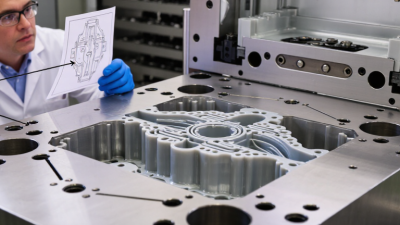
When choosing a China plastic mold design company, inspect how engineers turn product requirements into manufacturable details. Ask for anonymized case examples, not polished claims alone. Review CAD assemblies, draft angles, parting lines, gate locations, ejector layouts, and cooling channels. A capable team explains every choice in practical terms. Look for engineers who discuss warpage, shrinkage, weld lines, and cycle time before tooling begins. Real expertise appears in questions.

Request a design review using your actual part geometry. The team should check wall thickness, ribs, bosses, undercuts, and tolerance risks. Moldflow analysis can predict filling pressure and air traps, but simulations need experienced interpretation. Numbers alone are not enough. Ask how the design changes with different resin grades, surface textures, or production volumes. Clear revision records also show process discipline. The team should identify risks early, even when those findings delay approval.

Technical ability must continue through trial molding. Ask whether designers join mold trials and examine short shots, flash, sink marks, and ejection damage. Photos, measurement reports, and corrective-action records provide stronger evidence than a website portfolio. Communication matters too. Can the team explain a complex issue in plain English? Do they confirm assumptions before editing files? Skilled teams can still miss details, especially around tight tolerances. A reliable company welcomes questions, documents uncertainty, and improves the design instead of defending every first decision.

Check Manufacturing Resources, Quality Systems, and Industry Experience

How to Choose a Top China Plastic Mold Design Company?

A capable plastic mold design company should provide clear evidence of its manufacturing resources. Check whether it operates CNC machining, EDM, wire cutting, mold-flow analysis, and coordinate measuring equipment. Ask to see production samples, inspection records, and trial-run videos. Factory size alone proves little. A small gap in mold alignment can create flash, uneven walls, or repeated production delays.

Quality systems deserve equal attention. Look for documented design reviews, material traceability, dimensional inspection, and corrective-action procedures. A reliable supplier should explain how it controls steel grades, heat treatment, surface finishing, and final mold testing. Certificates can help, but verify their scope and validity. A polished presentation is not enough.

Tips: Request a sample quality plan before signing. Ask who approves drawing changes. Confirm inspection tools are calibrated. Review one real nonconformance report, with sensitive details removed. It reveals how the team reacts when work goes wrong.

Industry experience should match your product’s demands. A company experienced with thin-wall housings may not understand medical-style tolerances or glass-filled materials. Discuss resin behavior, shrinkage, cooling layout, ejection marks, and expected mold life. The engineering team should ask practical questions about cycle time and maintenance. No supplier is flawless. A strong team admits design risks and records them early. I would rather see an honest limitation than a perfect claim that cannot survive the first mold trial.

Compare Communication, Lead Times, Pricing, and Intellectual Property Policies

Choosing a top China plastic mold design company requires more than comparing quotations. Communication often predicts project stability. Ask how quickly engineers answer technical questions and whether they provide bilingual DFM reports, meeting records, and revision logs. The World Bank’s 2023 Logistics Performance Index evaluates timeliness, infrastructure, and logistics competence, all relevant to overseas tooling projects. A polished video call is not enough. Request a sample report.

Lead time should be measured by milestones, not one attractive delivery date. Compare design approval, steel preparation, first trial, correction cycles, and final validation. A supplier promising 20 days may exclude sampling and modifications. Pricing should include mold steel, hot-runner components, testing, packaging, freight, and future maintenance. The International Trade Centre reports that manufacturing firms increasingly face cost pressure from transport and input volatility. A cheaper mold can become expensive after repeated trials. I have seen schedules fail because “delivery” meant shipment, not accepted parts.

Tips:
Put every assumption in writing. Ask for a weekly status update and escalation contact. For intellectual property, confirm CAD ownership, confidentiality terms, subcontractor controls, and mold storage rights. WIPO’s World Intellectual Property Indicators 2024 recorded about 3.55 million patent applications globally in 2023, showing how valuable technical knowledge has become. Specify who may copy, modify, or retain your files. Also ask for controlled data deletion. This step is easy to overlook. Reference checks from similar part geometries are more reliable than generic testimonials. Pricing still needs judgment.

Verify Supplier Reliability Through Samples, References, and Project Reviews

A top China plastic mold design company should prove reliability through evidence, not polished presentations. Request a production-intent sample using the same resin, steel grade, and surface finish proposed for your mold. Inspect part dimensions with a coordinate measuring machine report. Check weld lines, sink marks, flash, ejection marks, and cycle-time records. Ask for the trial video, not only photographs.

The ISO Survey 2022 recorded 1,265,216 ISO 9001 certificates worldwide. Certification signals process discipline, but it cannot guarantee strong mold engineering. Review the supplier’s quality records, engineering-change history, and corrective-action reports. References should involve similar part geometry, resin, tolerance, and production volume. Ask previous customers how the supplier handled late revisions or repeated defects. Short conversations reveal more than carefully selected testimonials.

Project reviews deserve uncomfortable questions. Request the original schedule, design review notes, mold trial results, and final acceptance record. Compare promised delivery with actual dates. The 2023 World Bank Logistics Performance Index gives China a logistics score of 3.7, yet transportation performance varies by region and supplier planning. Verify packaging, export documents, spare-part support, and response times. A successful first sample can still hide weak maintenance planning. I have seen attractive parts fail during sustained production because cooling channels were poorly balanced. Treat every sample as evidence, not proof.

How to Choose a Top China Plastic Mold Design Company? - Verify Supplier Reliability Through Samples, References, and Project Reviews

Evaluation Dimension What to Verify Reliable Evidence Practical Acceptance Criteria Risk Signal
Relevant Mold Samples Whether the supplier has produced molds with similar resin, part size, wall thickness, surface finish, and tolerance requirements. Anonymized sample photos, molded parts, inspection reports, and approved sample records. At least two technically comparable examples should be available for review. Only general factory photos are provided, with no part samples or inspection data.
Dimensional Accuracy How the supplier controls critical dimensions, geometric tolerances, and repeatability. Coordinate-measuring-machine reports, gauge records, capability studies, and first-article inspection reports. Measurement results must be traceable to the approved drawing and revision level. Measurements are listed without drawing references, inspection dates, or instrument details.
Material Traceability Whether mold steel, inserts, electrodes, and purchased components can be traced to approved specifications. Mill certificates, material certificates, heat numbers, purchase records, and component lists. Steel grade and heat number should match the purchase and manufacturing records. The supplier cannot identify the steel grade, source, or heat number after ordering.
Design and DFM Capability Whether the design team can identify draft, wall-thickness, undercut, venting, cooling, weld-line, and shrinkage risks before machining. Sample DFM reports, mold-flow results when applicable, design review minutes, and revision histories. The report should connect each identified risk to a proposed design action and customer approval. The supplier begins machining without documented design review or approval.
Trial-Molding Results Whether trial shots demonstrate stable filling, ejection, cycle performance, appearance, and dimensional conformity. Trial-shot reports, process parameters, defect logs, sample parts, and corrective-action records. Results should cover agreed critical dimensions, visible defects, cycle conditions, and corrective actions. Only attractive samples are shown without process conditions or defect history.
Reference Verification Whether previous customers can confirm communication quality, delivery performance, technical support, and issue resolution. Permission-based customer references, written testimonials, or independently verifiable project records. Verify at least two comparable projects and ask consistent questions about quality, timing, and after-sales support. References are anonymous, unreachable, unrelated to the quoted project, or unwilling to discuss results.
Project Review Discipline Whether the supplier uses formal milestones for design, steel ordering, machining, assembly, trials, inspection, and approval. Gantt schedules, weekly progress reports, milestone photographs, issue registers, and approval records. Every major milestone should have an owner, planned date, actual date, and documented approval status. Updates are irregular, depend on verbal promises, or omit delays and corrective actions.
Quality Management Whether procedures exist for document control, nonconforming work, corrective action, inspection, and final release. Quality manual, internal audit records, inspection plans, nonconformance reports, and corrective-action evidence. Records should be dated, approved, traceable to the project, and retained through final acceptance. Quality controls exist only as informal verbal instructions.
Communication and Change Control How engineering changes, cost impacts, schedule effects, and customer approvals are managed. Revision-controlled drawings, engineering-change notices, meeting records, and approval workflows. No design or material change should proceed without written approval from the authorized customer contact. Changes are made through chat messages only, with no revision history or cost confirmation.
After-Sales Support Whether the supplier supports mold maintenance, spare parts, troubleshooting, engineering changes, and production ramp-up. Maintenance instructions, spare-parts lists, warranty terms, service records, and response procedures. Responsibilities, response channels, warranty coverage, and chargeable services should be defined in writing. Support terms are absent or limited to informal promises after delivery.
Recommended decision rule: Select a supplier only after sample evidence, comparable customer references, documented project reviews, and traceable quality records have been independently checked and found consistent with the project requirements.
Scroll To Top