What Is the Best Plastic Mold Design Company in China?
Choosing the best plastic mold design company in China takes more than comparing quotations. Mold design affects part quality, cycle time, tooling maintenance, and production stability. The market context is substantial: Plastics Europe’s 2024 report, Plastics—the Fast Facts, estimates global plastics production at 413.8 million tonnes in 2023, with China accounting for about one-third. That figure covers plastics overall, not mold design alone, but it shows the scale of the manufacturing ecosystem. Scale is not proof of quality.
A useful comparison starts with evidence. Ask how a supplier handles design-for-manufacturing reviews, wall-thickness variation, draft angles, gate placement, and cooling-channel layout. Request sample mold-flow analysis, inspection records, and details from a comparable project. A polished 3D model is only a start. The real test comes when the mold runs: inspect part dimensions, cycle consistency, flash, surface finish, and repeatability across trial shots. Also verify who owns the drawings, how revisions are controlled, and whether engineering support continues after delivery.
There is no single public report that objectively ranks China’s mold-design companies as “the best.” That matters. Company claims should be checked against documented results, relevant industry experience, communication quality, and transparent project milestones. Price still matters, but a low initial quote can hide redesigns or production delays. This guide examines practical selection criteria and warning signs, helping buyers judge fit for their part, material, and production volume—not just a sales presentation.
What Plastic Mold Design Companies Do
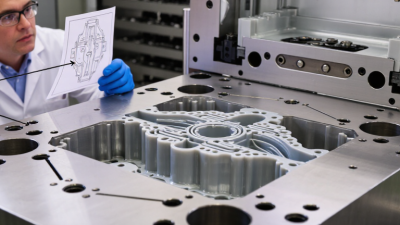
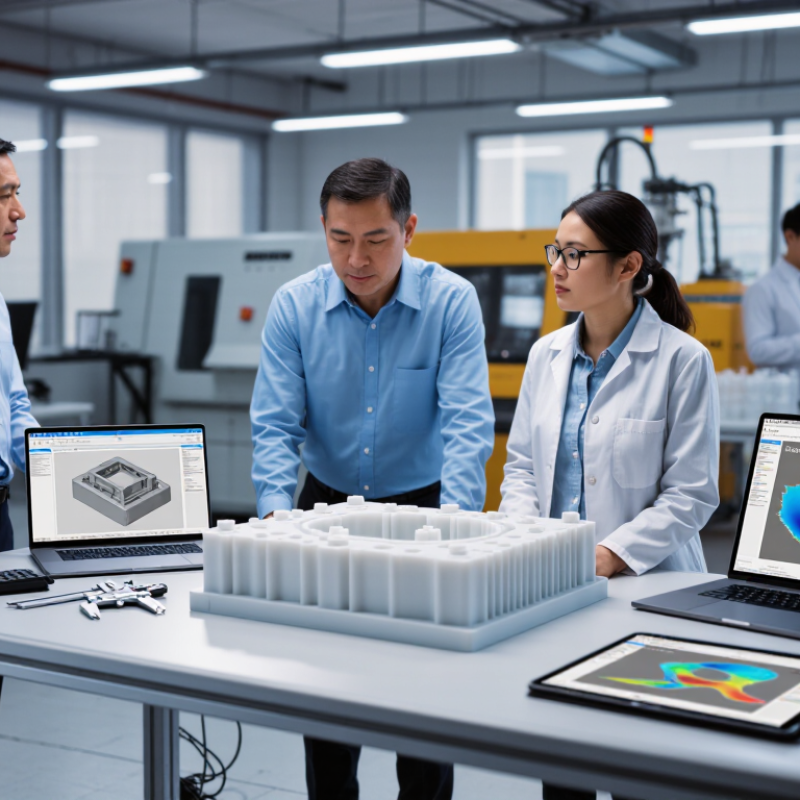
A plastic mold design company turns a product drawing into tooling that can repeatedly produce usable parts. Its engineers review the part’s shape, wall thickness, draft angles, and tolerances before building a 3D mold model. They also choose the parting line, gate locations, ejector-pin positions, and cooling channels. These choices affect surface marks, cycle time, and whether a part sticks in the mold. Small details matter.
Many teams use mold-flow simulation to predict filling, air traps, weld lines, and uneven cooling. The results guide revisions, but they do not replace trial molding. Real parts vary. Engineers may adjust steel, vents, or cooling after inspecting sample parts. Grand View Research estimated the global injection-molded plastics market at USD 284.4 billion in 2023, reflecting the scale of products that depend on reliable tooling. The OECD’s Global Plastics Outlook reported that only 9% of plastic waste was recycled in 2019. That makes material-efficient layouts and reduced scrap relevant design considerations, not just production concerns. A capable design team documents assumptions, checks manufacturability with the molding shop, and revisits dimensions when test results disagree with the simulation.
Key Criteria for Evaluating Mold Design Companies in China
A sound mold design partner turns part geometry into a tool that can run reliably, not just a polished CAD model. Look for experience with your resin, tolerances, annual volume, and part shape. Ask to review a similar project, including its design changes and production results. Small details matter. A strong proposal explains gate location, cooling layout, venting, ejection, and expected cycle time. It should also flag risks, such as thick sections that may cause sink marks.
Grand View Research’s Injection Molded Plastics Market report estimated the global market at USD 330.41 billion in 2023 and forecast 4.2% annual growth from 2024 to 2030. This signals a large, evolving sector, but market growth alone cannot prove a supplier’s capability. Request evidence: mold-flow assumptions, material data, trial records, and measured sample dimensions. A simulation image without clear inputs is not enough.
Check how the company defines acceptance criteria and manages design revisions. ISO 20457:2018 provides tolerance guidance for molded plastic parts, but tolerances must still suit the part’s function and measurement method. Ask who owns shrinkage assumptions and how deviations are handled. No checklist catches everything. I would also ask to speak with the engineers who will do the work; proposals can sound more certain than real tooling projects deserve.
China’s Plastic Mold Design Industry and Capabilities
What Is the Best Plastic Mold Design Company in China?
China’s Plastic Mold Design Industry and Capabilities
China’s mold-design sector benefits from a broad manufacturing base, experienced toolmakers, and established supply chains for steel, machining, and components. The World Bank’s national accounts data puts China’s manufacturing value added at roughly US$4.7 trillion in 2023. That figure describes manufacturing overall, not mold design alone, but it helps explain the depth of nearby production resources.
Grand View Research valued the global plastic injection molding market at about US$290 billion in 2023 and projected continued growth through 2030. For mold designers, demand means more attention to cycle time, part consistency, and material use. In practice, teams check gate locations, cooling channels, wall thickness, and draft angles before steel is cut. Simulation can flag filling or warping risks, but it cannot replace careful trials on the press. Details matter.
China offers a wide range of capability, from straightforward housings to tight-tolerance, multi-cavity tools. Yet a large supplier base does not guarantee reliable design. Communication gaps, rushed revisions, or weak measurement plans can still cause defects. That is worth remembering. Buyers should review sample inspection records, design-change controls, and trial data—not just machine lists or quoted lead times. A polished CAD model is only one part of a mold that must run consistently.
How to Compare and Select a Suitable Company
What Is the Best Plastic Mold Design Company in China?
How to Compare and Select a Suitable Company
A suitable mold design company should explain how its choices affect part quality, production time, and maintenance. Ask how the team reviews wall thickness, draft angles, parting lines, and likely shrinkage. Details matter. A clear design review should identify risks before steel is cut, not just present attractive 3D images. Request a sample design review or an anonymized case study. Check whether the explanation is specific to your part and production volume.
Compare companies using the same drawing, material, and expected output. This makes quotes easier to assess. Look beyond the final price: ask what design revisions, mold trials, and inspection records are included. Find out who will handle technical questions and how changes are documented. Ask for realistic timelines, including time for corrections after a trial. A polished presentation can still hide weak follow-through. The comparison is not perfectly objective, and a detailed checklist may miss how well a team communicates under pressure.
Tips: Ask how the company checks cooling layout and ejection risk. Request clear answers, not promises. Compare the evidence, then note where uncertainty remains before choosing.
Assessing Quality, Cost, Communication, and Delivery Performance
A strong plastic mold design company should explain how its design choices affect part quality. Ask for mold-flow results, steel specifications, cooling-layout drawings, and inspection criteria. These records make technical claims easier to verify. During a trial, check for flash, sink marks, uneven filling, and cycle-time variation. Request measured samples, not only attractive photographs. Small details matter.
Cost comparisons need equal scope. One quote may exclude texture, spare inserts, or later design changes. Compare tooling, sampling, maintenance, and shipping as separate line items. The cheapest offer can become expensive when revisions are poorly controlled. Communication deserves the same scrutiny. Clear answers, dated drawings, and written change approvals reduce confusion. A delayed reply before production may signal trouble later, though one missed email is not proof.
Delivery performance should be judged through milestones, not a single promised date. Ask how the supplier tracks design approval, machining, assembly, and sample approval. Confirm what happens when a test reveals a dimensional problem. Real schedules can slip. Even a careful checklist may overlook a small tolerance issue, so review critical dimensions with your own engineering team. Request a realistic schedule with named checkpoints and progress evidence.
 Skip to content