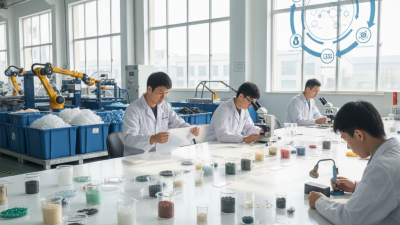
What is Plastic Injection Molding and How Does It Work?
Plastic injection molding is a critical process in the manufacturing industry. It enables the creation of complex shapes and designs efficiently. According to the American Society of Mechanical Engineers, over 30% of plastic products are made using this method. This statistic highlights the prevalence of plastic injection molding in various sectors, including automotive, consumer goods, and electronics.
The process involves melting plastic pellets and injecting them into molds. This allows for precision and consistency in production. Industry reports suggest that the global plastic injection molding market will grow substantially, reaching around $300 billion by 2027. Despite its advantages, the process isn’t without challenges. Issues such as cycle time and mold design can impact production efficiency.
Awareness of these challenges is essential for professionals in the field. Understanding the intricacies of plastic injection molding can lead to better decision-making. It is vital to incorporate innovative approaches to overcome these obstacles and enhance product quality.
What is Plastic Injection Molding?
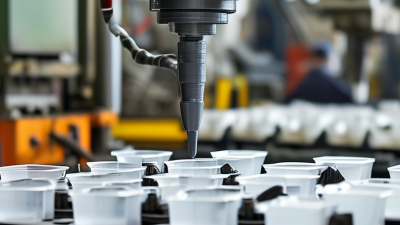
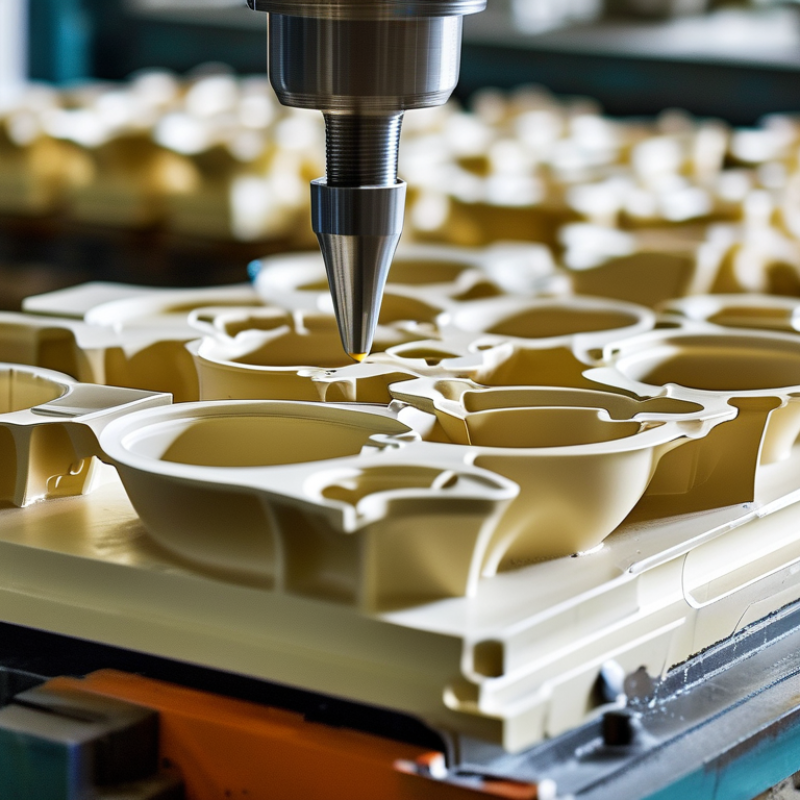
Plastic injection molding is a manufacturing process used to create parts from thermoplastic materials. It involves injecting heated plastic into a mold, where it cools and solidifies into the desired shape. This method is highly efficient and can produce complex shapes with high precision. According to a report by MarketsandMarkets, the global injection molding market was valued at $238.9 billion in 2020 and is projected to reach $322 billion by 2026. This growth highlights the increasing demand for lightweight and durable plastic components across various industries.
One of the key advantages of plastic injection molding is its ability to mass-produce parts quickly and accurately. The process reduces material waste and minimizes production costs. However, it's essential to ensure precise mold design and quality control. Even minor errors in the mold can lead to significant defects in the final product. Maintaining the right temperature and pressure during injection is crucial for achieving optimal results.
Proper maintenance of machinery is critical for successful operations. Regularly check and clean the injection molding machine to prevent malfunctions. Monitoring cycle times can help identify inefficiencies in the production process. This awareness allows for adjustments that improve overall productivity. Always keep an eye on emerging technologies that could enhance mold design and manufacturing efficiency.
History and Development of Plastic Injection Molding
The history of plastic injection molding dates back to the mid-19th century. The process began with the invention of the first synthetic plastic, Bakelite. This material revolutionized manufacturing by allowing mass production of items in various shapes. However, the early machines were rudimentary and limited in efficiency.
As technology advanced, the injection molding process evolved significantly. In the 1940s, advancements in machinery and materials led to improved production capabilities. Companies embraced this method for its ability to create complex parts quickly and ensure consistency. The introduction of thermoplastics further enhanced the process, making it more versatile and cost-effective.
Despite its many benefits, challenges remain in the field of plastic injection molding. Quality control can be a recurring issue, as defects often go unnoticed in early stages. There is also an ongoing debate about the environmental impact of plastic production. Manufacturers are seeking sustainable practices but find the transition difficult. This evolution reflects the ongoing need for innovation and responsibility in the industry.
Key Components of the Injection Molding Process
The injection molding process involves several key components that work together to create precise plastic parts. At its core, the injection unit melts plastic pellets and injects them into a mold. This process begins with a hopper, which holds the raw plastic material. As the pellets descend, they are heated and turned into a molten state. The temperature must be carefully controlled. Too hot, and the plastic degrades; too cold, and it won’t flow well.
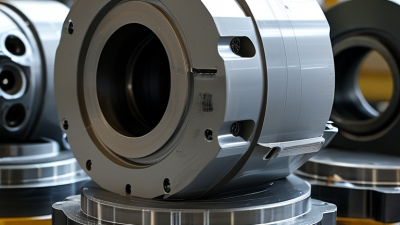
The mold itself is a significant component. It is usually made from durable metal and designed to the exact specifications of the desired part. The precision of the mold determines the quality of the final product. Molds are often expensive and require meticulous crafting, which poses challenges for manufacturers.
Lastly, the cooling system is crucial. After injection, the molten plastic needs time to cool and solidify. This cooling phase affects production speed and part quality. Inefficient cooling can lead to warping or reduced strength. Manufacturers continually refine these elements, balancing speed and quality, which is a complex task that requires constant evaluation and adjustment.
Step-by-Step Procedure of Plastic Injection Molding
Plastic injection molding is a widely used manufacturing process that transforms plastic materials into various products. The procedure involves several critical steps to ensure efficiency and precision.
The process begins with the material, usually in pellet form, being fed into a heated barrel. Here, the pellets are melted until they reach a viscous state. Next, the molten plastic is injected into a mold cavity under high pressure. This pressure helps the liquid plastic fill every detail of the mold, ensuring a high-quality product. Cooling comes next. The plastic solidifies as it cools within the mold, which can take several seconds to minutes, depending on the complexity and thickness of the part. Once cooling is complete, the mold opens, and the finished part is ejected. Data shows that over 32% of all plastics produced globally are made through injection molding, cementing its role in manufacturing.
To optimize the injection molding process, monitoring temperature and pressure is crucial. Operators should regularly check these metrics to maintain quality. Adjusting the cooling time can save energy, but be careful; too short of a cooling period can lead to defects.
Evaluate the design of your molds thoroughly. Simple designs can lower production costs, yet intricate patterns may deliver more aesthetic appeal. Analyzing the balance between complexity and cost is essential for success in this industry.
Applications and Benefits of Plastic Injection Molding in Manufacturing
Plastic injection molding is a critical process in modern manufacturing. This method allows for the mass production of plastic parts with precision and efficiency. It enables the creation of complex shapes that are often difficult to achieve with other methods. Industries such as automotive, healthcare, and consumer goods heavily rely on this technique.
A report by MarketsandMarkets estimates that the global plastic injection molding market will reach $438.5 billion by 2026. The versatility of this process makes it ideal for producing everything from small components to large structural parts. Injection molding can produce high-quality items quickly, reducing waste and maximizing materials. In fact, the process can achieve cycle times of less than a minute for simple products.
Furthermore, injection molding supports sustainable practices in manufacturing. It allows for the use of recycled materials, reducing environmental impact. As companies strive for more eco-friendly options, this method presents an opportunity to innovate. However, challenges remain, such as potential upfront costs and the need for skilled operators. Continuous improvements in technology aim to address these issues, making the process more accessible.
 Skip to content