2026 How to Optimize Precision Plastic Molding for Global Buyers?
In the evolving landscape of manufacturing, precision plastic molding stands out. This method is essential for creating high-quality plastic components. Global buyers increasingly seek precision, affordability, and sustainability in their products.
Optimizing precision plastic molding can significantly impact supply chain efficiency. The right techniques enhance product quality and reduce waste. Companies must adopt advanced technology in their molding processes. However, many still struggle with inconsistent results and long lead times.
Mistakes in this field can lead to costly reworks. Moreover, buyers expect reliability and durability in their products. Addressing these concerns is crucial. Improving processes will require an honest assessment of current practices. Ultimately, investing in precision plastic molding means ensuring a competitive edge in the global market.
Understanding Precision Plastic Molding in 2026
In 2026, understanding precision plastic molding becomes essential for manufacturers and buyers. This process involves meticulous control of material properties and machine settings. Each detail matters in achieving high-quality outcomes. For instance, adjusting temperature and pressure settings can significantly impact mold accuracy and surface finish. It’s not just about the machines; the expertise of the operators plays a crucial role.
Challenges persist in precision plastic molding. Fluctuating raw material quality can lead to inconsistencies. Buyers must ensure they work with reliable suppliers. Evaluating the entire supply chain is vital. Problems can arise unexpectedly, affecting timelines and budgets. Regular maintenance of equipment is often overlooked, yet it can prevent costly delays.
Sustainable practices are gaining attention. Buyers prioritize eco-friendly materials. However, the transition requires patience and investment. Not every company is ready for change. Embracing innovation is crucial, yet not all adaptations yield immediate results. The balance between precision and sustainability must be carefully managed for lasting success.
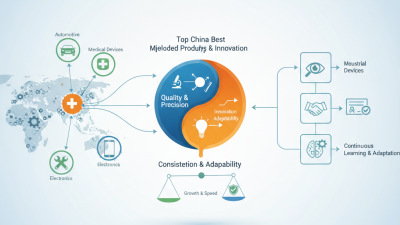
2026 Precision Plastic Molding Efficiency by Region
Key Factors Affecting Precision Plastic Molding Optimization
Precision plastic molding plays a crucial role in the manufacturing industry, especially for global buyers seeking quality parts. One key factor in optimizing this process is material selection. According to a recent industry report, over 70% of defects in molded parts stem from improper material choices. Buyers should focus on high-performance thermoplastics that offer excellent strength and durability. The right material can significantly reduce production costs and improve final product quality.
Another important factor is the molding process itself. Ensuring that machines operate at optimal temperatures and pressures is vital. Data from industry studies show that a mere 5°C deviation in temperature can lead to structural weaknesses in the final product. Regular maintenance and calibration of equipment can help mitigate these risks. Operators should also evaluate cycle times and adjust as necessary, as excessive cycle times can lead to increased defects.
In addition to these technical aspects, effective communication between buyers and manufacturers is essential. Understanding production constraints and requirements can help streamline the molding process. Yet, many manufacturers still struggle with misalignment on these key issues. Enhancing collaboration can lead to improved outcomes and decrease the likelihood of costly mistakes. Addressing these challenges is crucial for achieving the desired precision in molding.
Best Practices for Enhancing Mold Design Efficiency
Enhancing mold design efficiency is crucial for precision plastic molding. A well-designed mold can significantly reduce production costs and improve product quality. It's essential to start with thorough research on material properties and process requirements. This knowledge helps in designing molds that suit specific applications.
Using advanced CAD software helps create precise models for molds. Simulation tools also allow manufacturers to predict potential issues before production begins. However, over-reliance on simulation can lead to complacency. Regular hands-on testing and adjustments are vital to capture the real-world complexities that simulations might miss.
Another best practice is to incorporate feedback from production teams. Their insights can identify inefficiencies and improve the design process. Communication between designers and operators often reveals overlooked areas, leading to a more robust mold design. Despite these efforts, challenges will arise. Continuous evaluation and adaptation are necessary to remain competitive in the global market.
Selecting the Right Materials for Precision Molding Applications
Selecting the right materials for precision molding is critical for success in this industry. Various factors influence material choice, such as durability, flexibility, and cost. Common materials include ABS, polycarbonate, and nylon, each offering unique properties tailored to specific applications. For example, ABS is favored for its toughness and impact resistance. If you need a lightweight yet strong material, polycarbonate can be an excellent choice.
However, not all materials are suitable for every project. Understanding the end-use application is essential. Some materials may not withstand certain temperatures or chemical exposures. Conducting thorough testing is vital to ensure material performance aligns with project requirements. It's important to note that even a small oversight in material selection can lead to significant issues in production and product performance.
Incorporating environmentally-friendly options can also enhance your brand image. Many buyers are now prioritizing sustainability. Exploring bio-based plastics may provide a competitive edge. Yet, transitioning to these materials may come with challenges, such as higher costs or limited availability. Weighing the pros and cons is crucial for making informed decisions in material selection.
Meeting Global Standards and Regulations in Plastic Molding
In the realm of precision plastic molding, understanding global standards and regulations is crucial for success. Buyers across the world need to align with various certifications, like ISO 9001. This ensures quality management systems are implemented effectively. Each market, from North America to Europe, has its own specific requirements. Familiarity with these can significantly impact product acceptance.
Adhering to regulations is not just about compliance; it builds trust. Manufacturers should regularly train their teams on global standards. However, there can be confusion about which standards apply. Keeping track of changes in regulations can be daunting. This is where expertise matters. Engaging with industry professionals and consultants can provide essential insights.
It’s important to note that maintaining compliance is an ongoing process. Regular audits and assessments are necessary to identify gaps. Not every initiative will yield immediate results. There may be setbacks when implementing new practices. Adopting a mindset of continuous improvement can help in addressing these challenges. Fostering a culture of quality throughout the organization leads to better outcomes in the long run.
2026 How to Optimize Precision Plastic Molding for Global Buyers? - Meeting Global Standards and Regulations in Plastic Molding
| Dimension |
Metric |
Regulatory Standard |
Global Market Impact |
| Mold Design Precision |
±0.01 mm |
ISO 13485 |
High R&D Investment |
| Material Consistency |
95% Recyclability |
EU Plastics Directive |
Sustainable Practices |
| Cycle Time |
40 seconds |
ISO 9001 |
Competitive Pricing |
| Defect Rate |
< 1% |
ASTM D638 |
Quality Assurance |
| End-of-Life Strategy |
100% Circular Economy |
Circular Economy Action Plan |
Long-term Sustainability |
 Skip to content