China Top Insights on Plastic Material Selection for Manufacturing Success?
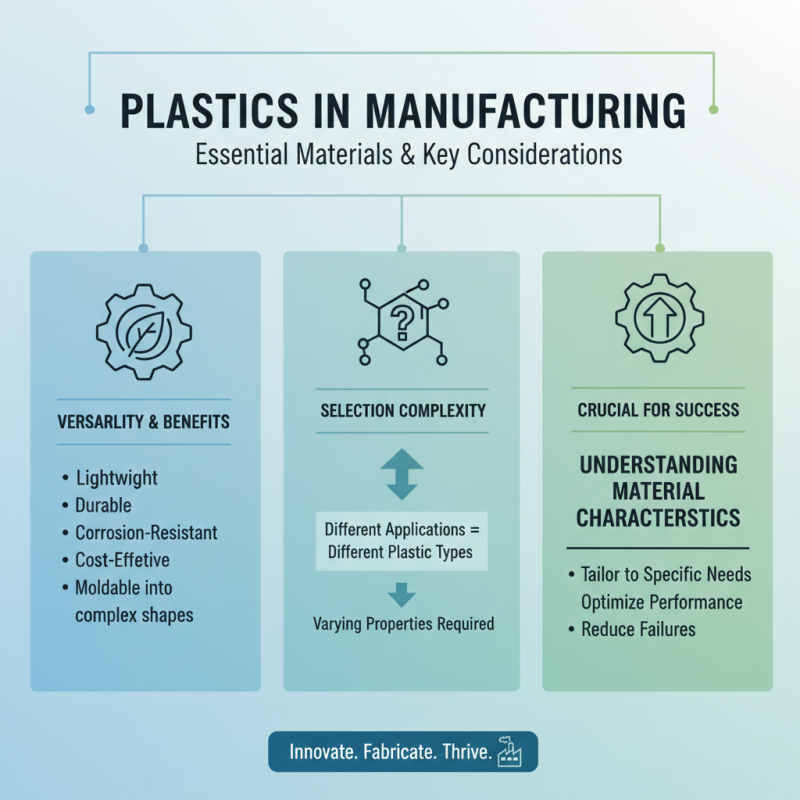
Plastic material selection is crucial for manufacturing success in China. With a diverse manufacturing landscape, choosing the right plastic can directly impact product quality and efficiency. Different applications require different properties. For example, durability, flexibility, and resistance to heat or chemicals all play vital roles in this decision-making process.
In practice, many manufacturers often overlook specific material characteristics. They may choose a plastic based on cost rather than performance. This oversight can lead to product failures or increased production costs. Therefore, understanding the properties of various plastics is essential.
Another aspect is the environmental impact of plastic materials. As sustainability gains importance, manufacturers are challenged to balance performance with eco-friendliness. The right plastic material selection can minimize waste and enhance recyclability. This reflects a commitment to sustainability and responsible manufacturing practices in the ever-evolving market.
Overview of Plastic Materials in Manufacturing Industries
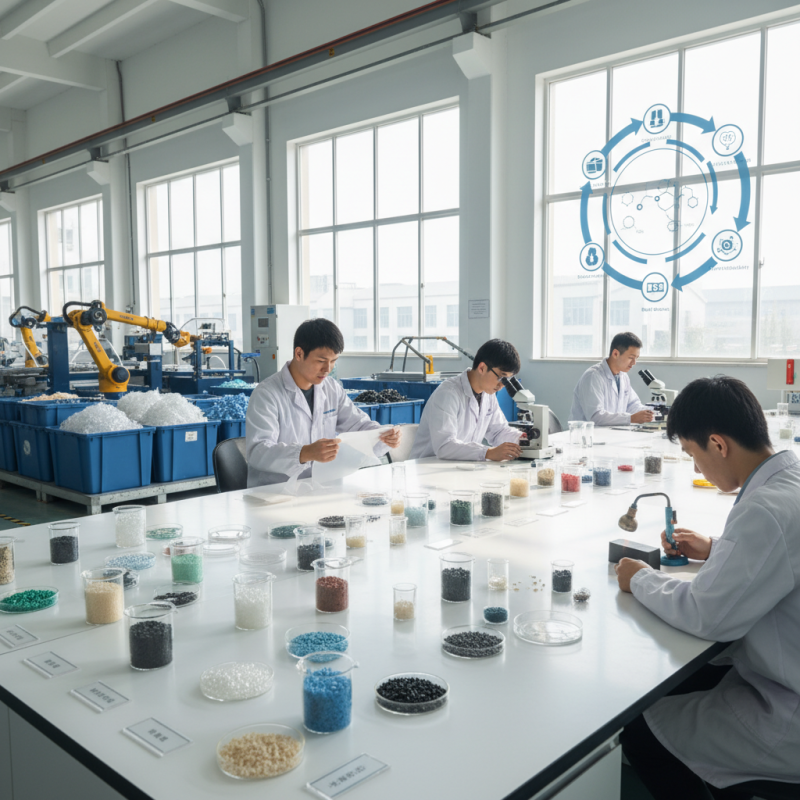
Plastic materials are essential in various manufacturing industries. They are versatile and offer unique benefits. However, selecting the right type can be complex. Different applications require different characteristics from plastics. Understanding these intricacies is crucial for manufacturing success.
For instance, thermoplastics provide flexibility and ease of processing, making them ideal for consumer goods. In contrast, thermosetting plastics are suited for applications requiring durability and heat resistance. Evaluating the specific demands of your product will help in making informed choices.
Tips: Always consider the environmental impact of your selected materials. Eco-friendly options are becoming increasingly important. Also, conduct regular tests to ensure quality and performance during production. Small changes in the selection process can lead to substantial improvements in efficiency and cost-effectiveness. Remember, continuous learning and adapting to market trends can significantly enhance your manufacturing strategies.
Key Factors in Plastic Material Selection for Manufacturing Success
Selecting the right plastic material for manufacturing is crucial. Various factors must be considered to ensure success. According to a 2022 report by the Plastics Industry Association, over 70% of manufacturers cite material choice as a critical success factor. This highlights the need for careful evaluation.
One key consideration is the application of the product. For instance, high-performance plastics are often chosen for automotive parts due to their durability and impact resistance. A study indicated that using advanced composites can improve performance by 20% in some applications. Moreover, compliance with industry standards is essential. Materials must meet safety and environmental regulations to avoid costly recalls or legal issues.
Cost is another factor that should not be overlooked. A balance between quality and expense is vital. The average price of plastic resins has fluctuated significantly, impacting budgets. This volatility pressures manufacturers to source materials wisely. Relying solely on the cheapest option can lead to inferior products, ultimately hurting reputation and sales. Careful analysis and consideration can lead to more informed decisions.
China Top Insights on Plastic Material Selection for Manufacturing Success
| Key Factors |
Description |
Importance Rating (1-5) |
| Mechanical Properties |
Strength, stiffness, and impact resistance of the material. |
5 |
| Chemical Resistance |
Ability to withstand exposure to chemicals without degradation. |
4 |
| Thermal Stability |
Performance of material under various temperature ranges. |
4 |
| Cost Effectiveness |
Balancing performance with material cost for budget considerations. |
5 |
| Environmental Impact |
Sustainability and recyclability of the material. |
3 |
| Manufacturability |
Ease of processing and compatibility with manufacturing techniques. |
5 |
Comparative Analysis of Common Plastic Types Used in China
When selecting plastics for manufacturing, understanding material properties is crucial. Common types used in China include polyethylene, polypropylene, and polystyrene. Each plastic type possesses unique characteristics, affecting performance and cost. For example, polyethylene is known for its flexibility and durability. It is widely used in packaging.
Polypropylene, on the other hand, offers higher resistance to heat and chemical exposure, making it ideal for automotive and industrial applications.
Manufacturers often face challenges in choosing the right plastic. A wrong selection can lead to production inefficiencies and heightened costs. Polystyrene, while low-cost and easy to mold, lacks durability and can be prone to cracking. This often leads to product failures. Analyzing the end-use requirements is essential. It helps in identifying the right type. Factors like environmental conditions and intended lifespan must be considered.
Manufacturers need to balance performance with cost. Sometimes, durable materials are more expensive upfront but may save money in the long run. Understanding the specific applications for each plastic type can enhance production outcomes. Continuous assessment of material choice ensures improved product performance and can reduce waste in manufacturing processes.
Sustainable Practices in Plastic Material Manufacturing Processes
Sustainable practices in plastic material manufacturing have gained immense relevance. Many industries are now focused on reducing their environmental footprint. However, the path to sustainability is complex and requires critical evaluation.
Choosing the right materials is only part of the solution. Manufacturers must consider biodegradability, recyclability, and the energy used in production. For instance, using renewable resources for plastic production can significantly lower greenhouse gas emissions. Yet, some materials may not perform well, leading to product failures. Balancing sustainability with performance is a constant challenge.
Moreover, not all recycling methods are equally effective. Some plastics are more challenging to recycle, creating waste. It requires innovation in processing technologies, which necessitates investment and expertise. Collaboration among stakeholders can lead to improved outcomes but picking the right partners is crucial. The journey towards sustainable practices is ongoing and demands continuous reflection and adaptation.
Future Trends in Plastic Material Selection for Global Manufacturing
The landscape of plastic material selection in global manufacturing is rapidly evolving. Emerging trends reflect a shift towards sustainability and innovation. Manufacturers are increasingly prioritizing biodegradable and recyclable materials. This aligns with consumer demand for environmentally friendly products. Many companies are now investing in research and development to create advanced polymers with reduced environmental impact.
Another notable trend is the integration of digital technologies. Tools like artificial intelligence and machine learning help optimize material choice. These technologies analyze performance data, leading to informed decisions in plastic selection. However, reliance on technology raises questions about the potential loss of human intuition in the selection process. It's crucial to balance tech-driven insights with seasoned expertise.
Moreover, the global supply chain creates complexities in material sourcing. Fluctuating prices and availability of materials can challenge manufacturers. They must remain adaptable and vigilant in their decision-making. Developing flexible strategies will become essential for long-term success. Understanding regional regulations and environmental policies is equally important. It requires constant learning and adjustment to stay ahead in the competitive market.
 Skip to content