What Are the 2026 Top Plastic Product Development Trends?
Plastic product development is entering a more demanding phase in 2026. Designers must balance performance, cost, appearance, and environmental responsibility. A successful product can no longer be judged by low manufacturing cost alone.
William McDonough, a leading sustainable design expert, famously expressed one important principle: “Waste equals food.” That idea is influencing plastic product development across packaging, consumer goods, automotive parts, and medical equipment. Manufacturers are testing mono-material designs, recycled polymers, bio-based resins, and components that can be repaired or separated more easily. Some teams now use digital twins to test wall thickness, cooling time, and material flow before building expensive molds.
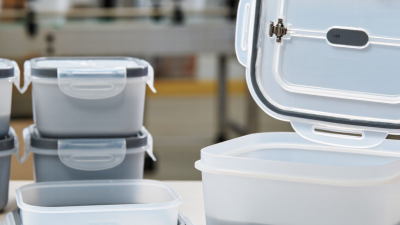
Small details matter. A reusable container may need a stronger hinge. A recycled plastic panel may require tighter color control. A thin package can save material, but it may fail during transport. That trade-off remains real.
The leading 2026 trends will therefore combine circular design with practical engineering. Product teams are exploring chemical recycling, advanced mechanical recycling, additive manufacturing, and AI-assisted prototyping. Traceability is also becoming important, especially when companies need to verify recycled content and material origin.
Progress is uneven.
Some “sustainable” products still use complex material combinations that are difficult to process. That weakness deserves honest review. The most reliable development process will measure durability, energy use, recyclability, and customer behavior together. This article examines the technologies, design choices, and manufacturing strategies shaping the next generation of plastic products.
Defining the Main Forces Shaping Plastic Product Development in 2026
What Are the 2026 Top Plastic Product Development Trends?
Defining the Main Forces Shaping Plastic Product Development in 2026
Plastic product development in 2026 will be shaped by circularity, material efficiency, and measurable performance. Design teams are reducing part weight without weakening impact resistance. They are also testing recycled content earlier, before tooling decisions become expensive. In factory trials, small changes matter. A thinner wall can reduce material use, but it may increase warping or cooling time.
Recyclability is becoming a design requirement, not a marketing detail. Products with fewer material types are easier to sort and process. Clear labels, removable components, and compatible additives can improve recovery rates. However, recycled resin does not always perform consistently. Color, moisture, and previous processing can change its behavior. Engineers must test several batches, not trust one laboratory sample.
Digital tools will influence development speed and product reliability. Simulation can identify weak ribs, uneven filling, and stress points before production begins. Automated inspection can detect short shots or surface defects near real time. Yet software cannot replace practical judgment. A model may miss a sharp edge, a difficult assembly step, or how a user grips a product with wet hands. Development teams will need closer cooperation between designers, operators, material specialists, and recyclers. The process may remain imperfect, but transparent testing will make decisions more credible.
Examining Sustainable Materials and Circular Design Strategies
What Are the 2026 Top Plastic Product Development Trends?
By 2026, sustainable plastic development will focus on material efficiency, not novelty alone. The OECD Global Plastics Outlook reported 353 million tonnes of plastic waste in 2019. Only 9% was recycled. This gap is pushing engineers toward thinner walls, longer service life, and simpler material structures. Less material matters.
Design teams are increasingly testing mono-material packaging, recycled polymers, and bio-based feedstocks. Mono-material parts can simplify sorting and improve recycling yields. However, recycled content may vary in color, strength, and odor. That creates practical problems during production. A responsible specification should include performance limits, not optimistic assumptions. Small pilot batches and repeated laboratory testing can expose these weaknesses early.
Circular design also changes the product architecture. Fasteners may replace permanent adhesives. Components can be separated with common tools. Replaceable seals and modular parts can extend product life. The Ellen MacArthur Foundation has repeatedly identified reuse and elimination of unnecessary packaging as major circular strategies. Meanwhile, the United Nations Environment Programme reported that plastic pollution could be reduced by 80% by 2040 using existing solutions. Yet recycling alone cannot carry the whole burden. A 2026 product may still look sustainable while remaining difficult to collect, repair, or recycle. Designers need clear material markings, realistic take-back pathways, and measurable end-of-life tests. Some circular claims remain poorly verified. That deserves more scrutiny.
Assessing Functional, Lightweight, and High-Performance Plastic Solutions
In 2026, plastic product development is moving beyond simple cost reduction. Designers are prioritizing function, lower mass, and stable performance. A thinner housing may save material, but it must survive drops, vibration, and repeated assembly. Practical teams now combine flow simulation with physical prototypes. They inspect weld lines, sink marks, and stress whitening under real use. High-performance plastics also support heat resistance, chemical stability, and dimensional control. These features matter in compact devices, transport components, and demanding industrial enclosures.
Tips: Define the failure before choosing the resin. Measure stiffness, impact strength, moisture uptake, and heat aging. Test parts at their actual wall thickness. A polished laboratory sample can mislead. Ask processors to review gate location, cooling balance, and cycle time. Keep a backup material option. Supply conditions can change.
Lightweighting deserves careful judgment. Removing ten grams is not automatically progress if the part needs metal inserts or frequent replacement. Design reviews often compare total service life, not only initial weight. Recycled content, mono-material construction, and easier disassembly can improve practical sustainability, but trade-offs remain. Some blends deliver excellent performance yet complicate recovery. Development teams should document test methods, tolerances, and failed prototypes. That record builds credibility and exposes assumptions. The uncomfortable question is simple: does the plastic solve a real problem, or merely follow a trend?
Understanding Regulatory, Market, and Consumer Impacts on Product Design
What Are the 2026 Top Plastic Product Development Trends?
Regulation will shape plastic design as strongly as production cost. The EU’s Packaging and Packaging Waste Regulation pushes companies toward recyclable formats, lower material use, and clearer recycling information. By 2026, product teams may need evidence for every material choice. The OECD’s Global Plastics Outlook reports that only 9% of plastic waste was recycled in 2019. That figure remains difficult to ignore. Design for recycling must replace late-stage disposal plans.
Market pressure is also changing product development. The Circularity Gap Report 2024 estimates that global circularity fell to 7.2%. Recycled content, mono-material structures, refill systems, and lightweight components will therefore gain attention. However, recycled polymers can vary in color, odor, and performance. Engineers must test real batches, not ideal samples. Consumer expectations add another challenge. Surveys from international sustainability research groups show that many shoppers value responsible packaging, yet price and convenience still influence final purchases. Good intentions do not always survive a crowded shelf.
Tips:
Start with a material passport. Record resin type, additives, recycled content, supplier evidence, and end-of-life options. Test labels, closures, and coatings together. A recyclable container can fail because of one incompatible component. Avoid promising “circular” performance without local collection data. That is where many concepts become weaker. Teams should review consumer feedback, regulatory updates, and pilot results every quarter. Perfect forecasts are unlikely. Better decisions come from visible assumptions and honest revision.
 Skip to content