Skip to content

Top 10 Trends in Plastic Product Design You Need to Know?

In recent years, plastic product design has evolved significantly, influenced by shifting consumer preferences and sustainability concerns. According to a 2022 report from Smithers, the global plastic products market is projected to reach $1 trillion by 2027. This growth is driven by innovations in design, material selection, and manufacturing processes. Designers face challenges in balancing functionality and aesthetic appeal while addressing environmental issues.

Sustainable plastic design is gaining traction. More companies are incorporating recycled materials into their products. A survey by Deloitte revealed that 75% of consumers favor brands that demonstrate environmental responsibility. Emphasizing recyclable and biodegradable plastics can enhance a company's reputation and marketability. However, achieving sustainability without compromising performance remains a critical hurdle.

As the industry continues to evolve, designers must adapt to emerging trends, such as smart technology integration and customization. The rise of the circular economy prompts brands to rethink their life cycle impacts. With these dynamics at play, understanding the latest trends in plastic product design is essential for success. Creators should reflect on their processes and strive for continuous improvement to meet consumer expectations and environmental goals.
Top 10 Trends in Plastic Product Design You Need to Know?

Emerging Eco-Friendly Materials in Plastic Product Design

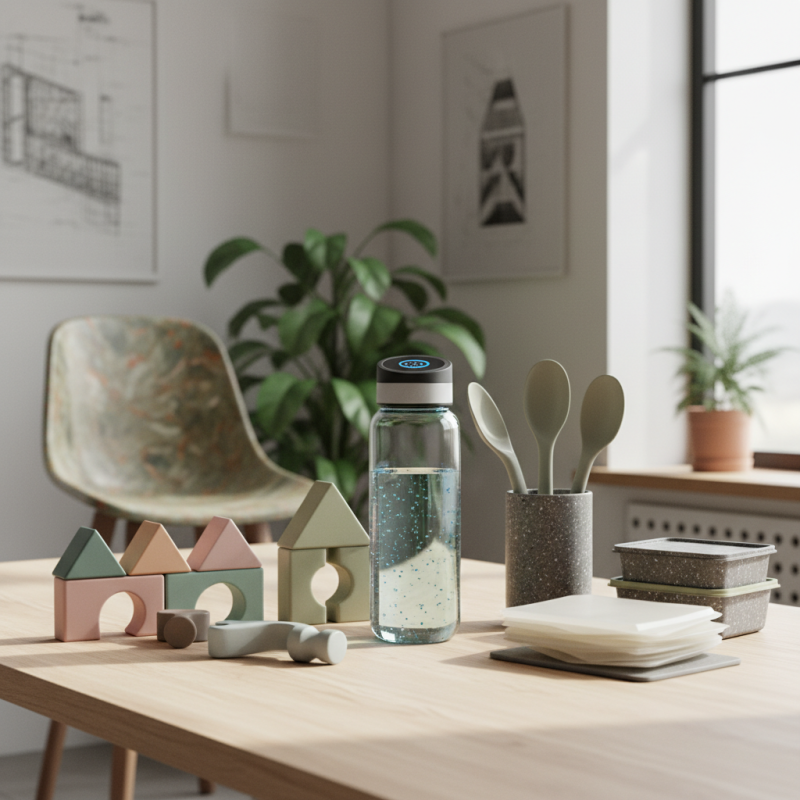
The growing demand for sustainable products has led to innovative developments in plastic product design. Many companies now focus on eco-friendly materials. For instance, bioplastics made from renewable sources are gaining traction. According to a recent report by the Bioplastics Industry Association, the global bioplastics market is expected to reach $12.2 billion by 2024.

These materials offer similar properties to conventional plastics but with a lower environmental impact. Compostable plastics made from cornstarch or sugarcane are being embraced across various industries. They break down faster than traditional plastics, supporting a circular economy. Since 2020, usage has risen by nearly 15%, showcasing a shift in consumer preferences.

Yet, challenges remain. Bioplastics often come with limitations in durability and scalability. The production process can also be resource-intensive, raising questions about their overall sustainability. Designers must weigh these factors carefully. Eco-friendly materials hold promise, but the path to mainstream adoption is still complex and requires ongoing innovation.
Innovations in Biodegradable Plastic Solutions for Consumer Goods

The demand for biodegradable plastics is growing as consumers become more environmentally conscious. Biodegradable plastics can decompose more quickly than traditional plastics, reducing waste in landfills. These materials often come from renewable resources, such as corn starch or cellulose, making them more sustainable. Manufacturers are exploring new formulations to enhance the performance of these materials. However, achieving durable yet biodegradable solutions is still a challenge.

Innovations focus on creating products that mimic traditional plastic qualities while ensuring they break down naturally. Research suggests that blending biodegradable polymers with natural fibers can improve strength. Yet, the cost of production remains high compared to conventional plastics. This can deter some manufacturers from fully embracing biodegradable options.

Moreover, not all biodegradable plastics break down in typical environmental conditions. Some require specific industrial processes for effective degradation. This illustrates the need for clearer labeling and consumer education. Understanding how to dispose of these products properly can be confusing for consumers. The journey towards effective biodegradable plastic solutions encourages industry collaboration and sustainable practices, highlighting both potential and limitations.

Top 10 Trends in Plastic Product Design: Innovations in Biodegradable Plastic Solutions

This bar chart illustrates the popularity index of various trends in plastic product design, highlighting the shift towards biodegradable solutions and sustainable practices in consumer goods. The index reflects the increasing consumer demand for environmentally-friendly options.

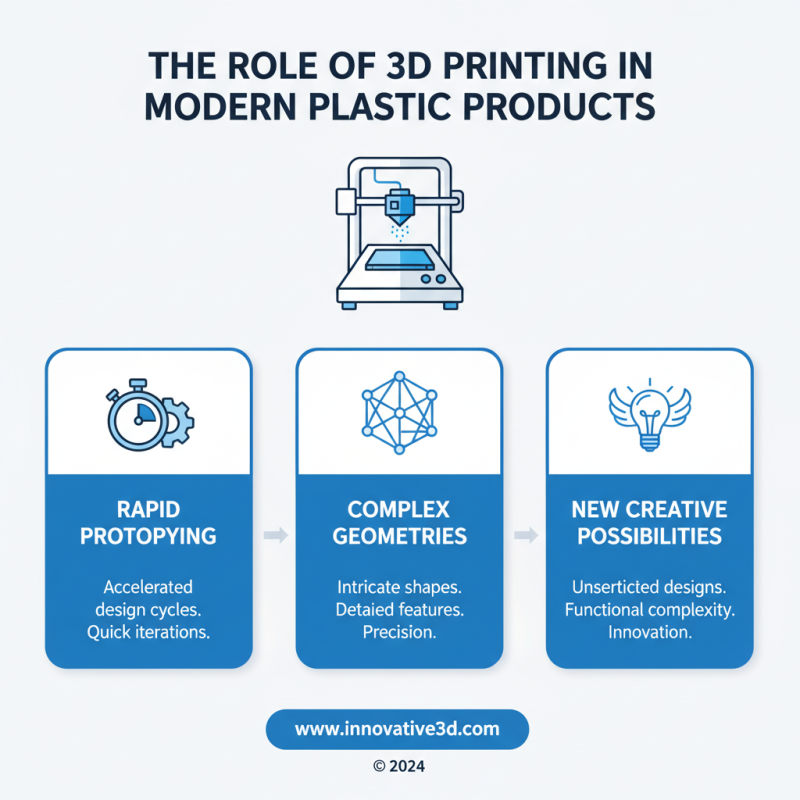
The Role of 3D Printing in Shaping Modern Plastic Products

Top 10 Trends in Plastic Product Design You Need to Know?

3D printing is revolutionizing plastic product design. This technology allows for rapid prototyping and complex geometries that traditional methods struggle to achieve. Designers can create intricate shapes and detailed features with precision. This capability opens doors to new creative possibilities.

However, the integration of 3D printing in plastic design comes with challenges. The materials used can be costly and vary in quality. Additionally, recycling these printed products can be complex. Designers must consider the lifecycle of their creations, balancing innovation with sustainability.

Moreover, 3D printing fosters collaboration among designers and engineers. Tools like computer-aided design (CAD) software enhance the design process. Yet, over-reliance on technology may stifle creativity. True innovation requires a mix of traditional skills and modern techniques. Finding that balance remains a key challenge in the evolving landscape of plastic product design.

Trends in User-Centric Design for Plastic Items

In recent years, user-centric design has gained traction in plastic product development. This trend prioritizes the needs of users throughout the design process. Designers focus on functionality, comfort, and ease of use. Materials are selected based on how they enhance user experience. For instance, softer plastics can improve grip on everyday items, making them more user-friendly.

Research shows that aesthetics still play a crucial role. A visually appealing product can attract consumers even before they understand its functionality. However, the challenge lies in striking a balance between form and function. Often, products may look good but fail in usability. This makes user feedback invaluable, shedding light on areas for improvement.

Sustainability is another important consideration. Users are increasingly aware of environmental impacts. Designers are obliged to think critically about material choices. Biodegradable and recycled plastics come into play. While these options are greener, they may not always meet durability standards. This dilemma requires constant reflection and adjustment in design strategies to align with user expectations and ecological responsibility.

Integrating Smart Technology in Plastic Product Development

Integrating smart technology into plastic product development is revolutionizing the design landscape. Designers are increasingly blending function and innovation. Smart technology enables products to interact with users in intuitive ways. This enhances usability while providing real-time data on product performance. For instance, smart kitchen appliances can optimize cooking times based on user habits.

When considering smart features, focus on user experience. Aim for seamless integration that doesn’t overwhelm the user. Prioritize intuitive interfaces. Avoid clutter to ensure ease of use. Users appreciate simplicity, especially in everyday products.

Consider sustainability as a guiding principle. Integrate smart technology with eco-friendly materials. Explore biodegradable plastics that offer functionality without harming the planet. Collaborate with experts in both technology and sustainable design. This will give your product a competitive edge.

Embrace the imperfections that come with innovation. Not every smart feature will resonate with users. Conduct thorough testing and gather feedback. Be ready to iterate and refine your design. Emphasizing flexibility in your approach can lead to unexpected breakthroughs.

Top 10 Trends in Plastic Product Design You Need to Know

Trend Description Impact on Industry Smart Technology Integration
Sustainable Materials Increasing use of biodegradable and recyclable plastics. Promotes environmental sustainability and reduces waste. Incorporation of sensors for monitoring material degradation.
3D Printing Utilization of 3D printing technology for custom designs. Enhances design flexibility and reduces production time. Integration of IoT technologies for real-time printing adjustments.
Smart Features Embedded technology in plastic products for enhanced functionality. Increases product usability and consumer engagement. Use of Bluetooth and NFC for connectivity with devices.
Minimalist Design Focus on simplicity in product design and packaging. Reduces material usage and appeals to modern aesthetics. Smart labeling solutions for efficient customer communication.
Personalization Products tailored to individual consumer preferences. Enhances customer satisfaction and loyalty. App-based platforms for customized product configurations.
Smart Packaging Packaging that offers interaction through technology. Enhances product safety and tracking. QR codes and AR for customer engagement.
Collaborative Design Involvement of various stakeholders in the design process. Leads to more innovative and effective solutions. Cloud-based tools for teamwork and idea sharing.
Health & Safety Designs that prioritize user safety and health standards. Builds trust and compliance in consumer markets. Sensors for monitoring product condition and safety.
Circular Economy Focus on longevity and recyclability of products. Encourages sustainable consumption patterns. Integration with collection and recycling systems.
Scroll To Top