2026 Best Plastic Assembly Solutions for Global Buyers
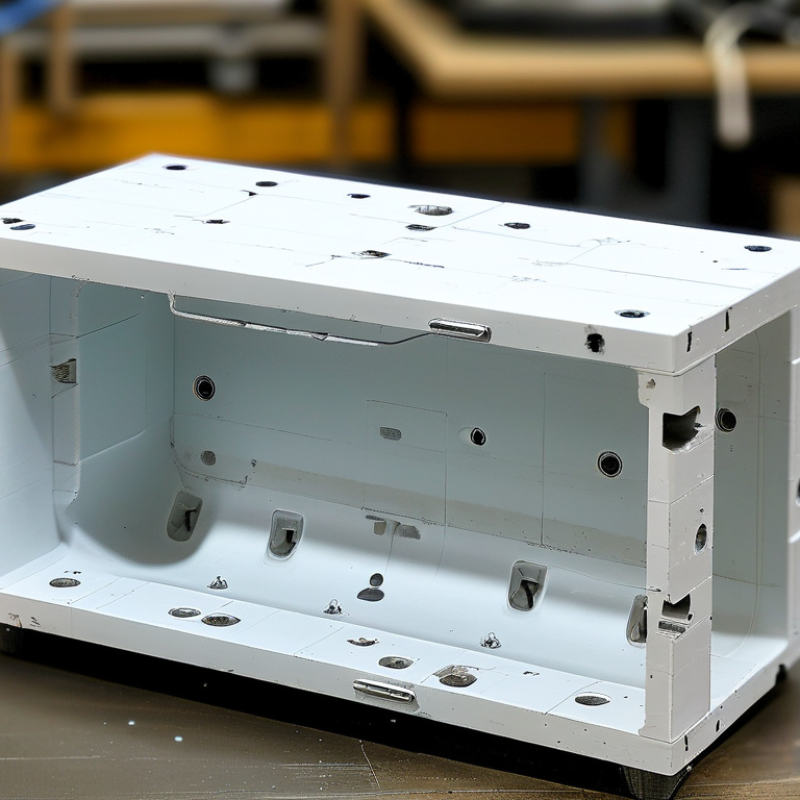
In 2026, global buyers need plastic assembly solutions that balance speed, strength, cost, and responsible production. A molded enclosure may look simple, yet its assembly can involve tight tolerances, hidden stress, surface damage, and difficult quality checks. Small details matter.
Dr. Geoffrey Boothroyd, a leading authority in design for assembly, famously observed, “The best assembly is no assembly.” This principle still guides practical decisions. Engineers may reduce fasteners through snap fits, ultrasonic welding, heat staking, or integrated features. However, no single method suits every polymer, product geometry, or production volume. Material behavior must be tested, not assumed.
Reliable suppliers should show more than attractive samples. Buyers need process capability data, dimensional reports, material traceability, cycle-time evidence, and documented inspection methods. A medical housing, automotive connector, or consumer-device shell may require very different assembly controls. Clean tooling, stable temperature settings, and trained operators can prevent costly failures around weld lines and joints.
Experience often reveals the uncomfortable part. The cheapest assembly quotation may become expensive after rework, tooling changes, or shipment delays. Conversely, an advanced process may offer little value for a low-volume product. This is where careful comparison matters. Buyers should request pilot builds, inspect real assemblies, and question unclear claims.
The strongest plastic assembly solutions are not merely fast. They are repeatable, repairable where appropriate, and aligned with documented quality expectations across international supply chains. Mistakes still happen. Transparent suppliers acknowledge them early and improve the process before production scales.
What Are Plastic Assembly Solutions and Why Do Global Buyers Need Them?
Plastic assembly solutions are methods for joining plastic parts into a usable product. They include snap fits, ultrasonic welding, heat staking, adhesive bonding, and insert molding. Each method affects strength, appearance, production speed, and cost. A small housing may need clean weld lines, while a medical enclosure may require sealed joints and controlled materials. The best choice depends on the plastic type, wall thickness, tolerance, and expected service conditions.
Global buyers need these solutions because product supply rarely stays in one country. Parts may be molded in one region, assembled in another, and shipped worldwide. A reliable assembly process keeps dimensions consistent across factories and production batches. It also supports quality records, material verification, and practical compliance reviews. Experienced engineers usually test samples before approving mass production. They check joint strength, vibration resistance, moisture exposure, and repeated temperature changes. Small details matter.
A drawing rarely tells the whole story. Real parts can warp after molding, and tight tolerances may increase waste. Not always obvious. Buyers should request process capability data, inspection plans, and clear acceptance criteria. They should also confirm whether workers can assemble the design safely and efficiently. In practice, a cheaper joining method can create higher service costs later. That possibility deserves honest discussion. The strongest solution is not always the fastest or most automated one.
Which Plastic Assembly Methods Best Suit Different Product Requirements?
Choosing the right plastic assembly method starts with the product’s real working conditions. A handheld enclosure may need snap fits for fast servicing and low tooling cost. A sealed medical housing demands a more controlled joint, often through ultrasonic welding or heat staking. The decision changes with material, wall thickness, tolerance, and expected production volume.
Ultrasonic welding suits rigid thermoplastics with clean, repeatable joints and short cycle times. It works well for sensors, small housings, and fluid-resistant compartments. Heat staking can secure plastic posts around metal inserts, especially when vibration or pull-out resistance matters. It is practical, but excessive heat may distort thin walls. Speed matters.
Screws with molded or installed inserts support repairable products and mixed-material designs. They are useful for appliances, instruments, and assemblies requiring repeated access. However, fasteners add parts, labor, and possible stress concentrations. Adhesive bonding handles irregular shapes and broad surfaces, yet surface preparation and curing conditions must remain consistent. Snap fits reduce assembly steps, but repeated opening can weaken the hooks. Fit first.
Production trials should include drop tests, temperature cycling, moisture exposure, and dimensional checks. A joint that looks strong may fail after weeks of vibration. Teams sometimes select welding for speed, then discover that cosmetic marks appear on the visible surface. That is a costly lesson. A better review compares samples, tooling limits, operator handling, maintenance needs, and end-of-life separation requirements before locking the process.
2026 Best Plastic Assembly Solutions for Global Buyers
Which plastic assembly methods best suit different product requirements?
The engineering suitability scores are a practical screening guide based on common characteristics of each process. Higher scores indicate a stronger fit for the stated product requirement; final selection should also consider resin compatibility, joint design, tooling, production volume, and validation testing.
How to Evaluate Materials, Designs, Quality, and Production Capabilities
Global buyers need more than a low quotation when selecting plastic assembly solutions. Material choice should match temperature, chemical exposure, load, and expected service life. For example, a nylon component may handle repeated movement, while a reinforced polymer may better resist heat and deformation. Ask for material certificates, lot traceability, and test data from actual production samples. I have seen attractive prototypes fail because their materials were never tested under realistic conditions.
Design review should examine wall thickness, ribs, snap fits, screw bosses, and assembly access. Uneven thickness can cause sink marks or warping during molding. Tight tolerances also increase cost and rejection risk. Keep critical dimensions clearly identified. Allow practical tolerances elsewhere. Small details matter. A supplier should explain how tooling, cooling, and part removal affect the final design. Digital drawings are useful, but physical trial parts reveal problems that screens often hide.
Quality capability depends on repeatable processes, not polished promises. Evaluate incoming inspection, process controls, visual standards, and measurement equipment. Request a pilot run before approving large volumes. Check sample consistency across different cavities and production shifts. Production capacity also requires careful review. Confirm machine size, automation, labor planning, maintenance routines, and backup arrangements. Communication deserves attention too, especially across time zones. My own evaluations have occasionally focused too heavily on technical data and overlooked response speed. That mistake can delay approvals. A reliable partner welcomes difficult questions, records changes, and provides evidence when performance does not meet expectations.
What Standards, Certifications, and Testing Should Buyers Review?
2026 Best Plastic Assembly Solutions for Global Buyers
Global buyers should review standards, certifications, and test evidence before approving a plastic assembly supplier. A certificate alone proves little. Ask for its scope, issue date, site address, and audit status. ISO 9001 supports quality management, while ISO 13485 may apply to medical assemblies. Automotive programs may require IATF 16949. Confirm that the certification matches your product and production location.
Material compliance also needs careful checking. Request declarations for RoHS, REACH, food-contact, or medical-use requirements when relevant. Do not accept a generic compliance statement without material grades and revision dates. Test samples under realistic conditions. Useful checks include dimensional inspection, pull-out force, weld strength, torque retention, leak testing, and vibration exposure. Temperature cycling can reveal weak joints that look perfect at room temperature.
Ask for calibration records, sampling plans, inspection reports, and full traceability from resin lot to finished assembly. For critical parts, require independent laboratory testing or witnessed validation. Review the failure criteria before testing begins. That detail is often missed.
Production capability matters too. Examine fixture control, operator training, cleanliness, and process monitoring. A supplier may pass an initial audit yet struggle during volume changes. Recheck capability after tooling repairs or material substitutions. No review is flawless. Buyers should question their own assumptions, especially when delivery pressure makes incomplete evidence seem acceptable. Supplier documents should be current, specific, and easy to verify.
How to Compare Suppliers, Costs, Lead Times, and Global Logistics?
Global buyers comparing plastic assembly solutions in 2026 should examine suppliers beyond quoted unit prices. Request samples made with the intended resin, tooling method, and assembly process. Check weld strength, dimensional consistency, surface finish, and packaging performance. A supplier’s quality records matter more than polished sales language. Ask for inspection reports, process controls, and corrective action examples.
Costs can change after tooling, secondary operations, and export packaging are included. Separate one-time tooling charges from recurring production costs. Compare the same order quantity and payment terms. A low price may hide expensive mold maintenance or high rejection rates. Ask how material shortages affect pricing. Keep a written cost breakdown.
Lead times need practical testing. Request a schedule covering design approval, tool fabrication, sampling, production, inspection, and shipment. Then ask what happens if one stage slips. Experienced suppliers should provide realistic capacity data, not only optimistic promises. Our first supplier comparison once ignored port congestion. That mistake added two weeks. It was preventable.
Global logistics also require careful planning. Confirm carton dimensions, pallet limits, labeling, customs documents, and the named delivery responsibility. Calculate landed cost, including freight, duties, insurance, and local handling. Sea freight may reduce cost but needs larger inventory buffers. Air freight is faster, but repeated use can damage project margins. A small pilot order can test assembly quality, communication speed, and delivery reliability before full production. Still, pilot results cannot guarantee every future batch. Supplier performance should be reviewed regularly.
 Skip to content