Top Injection Molded Products for Your Industry Needs?
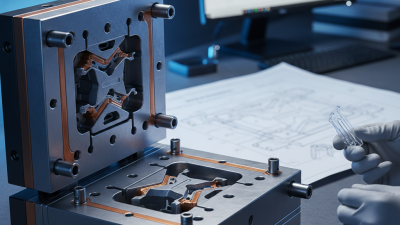
In today's dynamic industrial landscape, the demand for high-quality injection molded products continues to rise. These products are essential in various sectors, including automotive, consumer goods, and healthcare. Manufacturers seek to optimize efficiency while ensuring durability and precision in their designs.
Understanding the complexities of injection molding is crucial for industry leaders. The process involves carefully selecting materials and techniques to achieve desired product characteristics. Companies can face challenges in scalability and cost management, making expert insights invaluable. It's essential to navigate these hurdles while keeping quality standards high.
Emphasizing reliability and performance, injection molded products play a pivotal role in shaping modern manufacturing. However, not all products meet expectations. The market is filled with varying quality levels, calling for critical evaluation. Industries must adopt a proactive approach towards selecting the right injection molded products to ensure long-term success.
Overview of Injection Molding and Its Applications
Injection molding is a widely used manufacturing process. It creates complex shapes in plastics and metals. According to the Plastics Industry Association, this method caters to various sectors, including automotive, healthcare, and consumer goods. With the global injection molding market projected to hit $300 billion by 2024, its significance is clear.
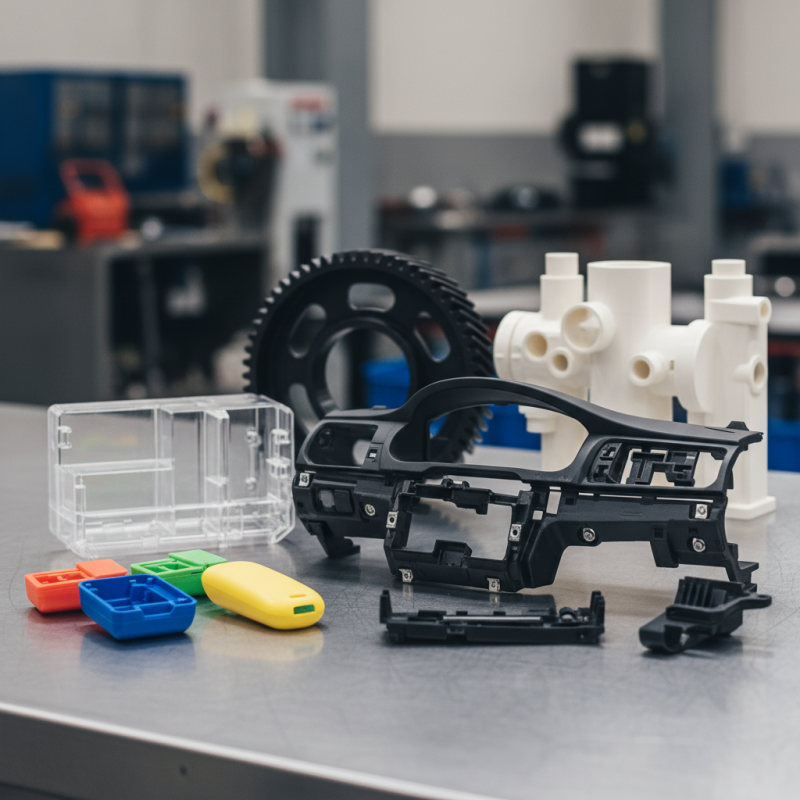
The applications of injection molding are extensive. In the automotive industry, precision parts are critical. Molds can produce everything from dashboard components to intricate engine covers. However, the process is not without challenges. Variability in materials can lead to defects, impacting production quality. Furthermore, the need for constant innovation drives manufacturers to adapt their processes frequently.
Healthcare also benefits significantly from injection molding. Medical devices rely on high levels of accuracy and cleanliness. Reports indicate that molded parts can reduce manufacturing times by up to 50%. Yet, developing a product to meet stringent regulatory standards can be an uphill task. Overall, while injection molding offers great potential, continuous improvement and quality control remain paramount for successful implementation across industries.
Key Industries Utilizing Injection Molded Products
Injection molding is essential in various industries. It allows for the efficient production of complex and precise parts. Many industries benefit from the durability and versatility of these products. The automotive sector, for instance, relies heavily on injection-molded components. These parts can include anything from dashboards to intricate clips. The consistency in quality helps manufacturers maintain high standards.
Consumer electronics is another key industry. Devices such as smartphones and laptops utilize injection-molded cases and components. The lightweight and sturdy nature of these products enhances device performance. However, sourcing the right materials can be challenging. Companies must consider environmental impacts and sustainability. Overlooking these factors can lead to long-term issues.
Healthcare also plays a significant role in this field. Medical devices demand rigorous compliance and reliability. Injection molding offers precision that is paramount in this sector. Yet, the challenge lies in meeting strict regulatory standards. Manufacturers must ensure every product undergoes thorough testing. Reflecting on past mistakes in design is vital for future success. Emphasizing quality can lead to innovations that benefit the entire industry.
Top Injection Molded Products for Key Industries
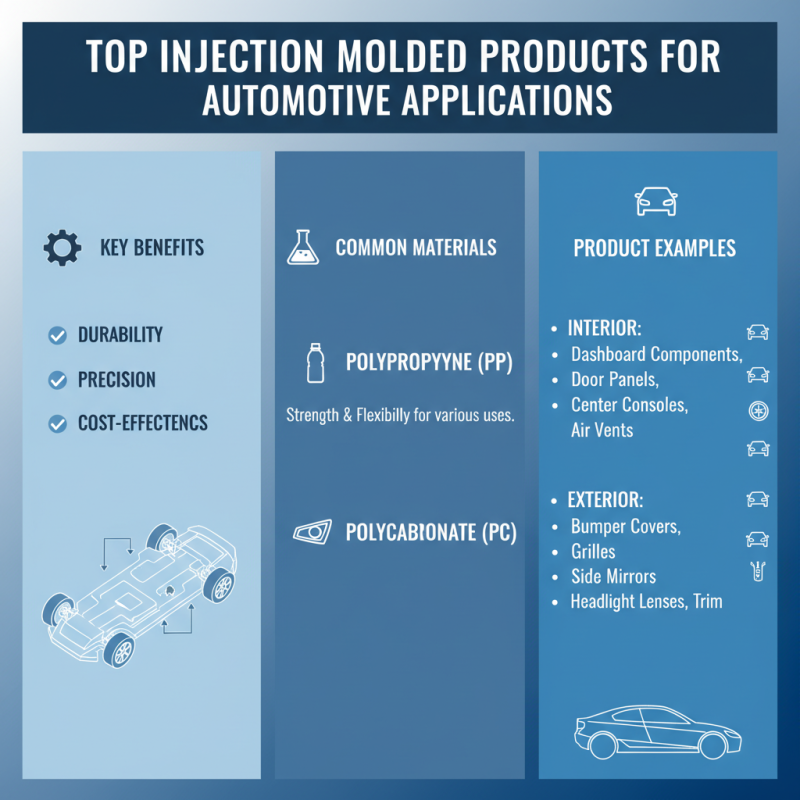
Top Injection Molded Products for Automotive Applications
Injection molded products play a crucial role in the automotive industry. They offer durability, precision, and cost-effectiveness. Common materials, such as polypropylene and polycarbonate, are widely used. These materials provide the necessary strength and flexibility needed for various applications, from interior components to exterior trims.
In automotive applications, injection molding allows for complex shapes and designs. It can produce parts like dashboards, bumpers, and paneling efficiently. The process minimizes waste and enhances design freedom. However, it is essential to evaluate the environmental impact of the materials used. While many manufacturers focus on efficiency, sustainability cannot be overlooked.
Quality control is crucial in production. Small variances in the molding process can lead to defects. Regular inspections and testing ensure that parts meet safety standards. Manufacturers must continually seek improvements in their processes to reduce errors. Emphasizing thorough design validation can lead to greater reliability and efficiency.
Innovative Injection Molded Solutions for Consumer Goods
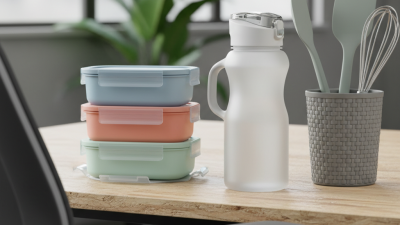
Innovative injection molded solutions have transformed consumer goods, enhancing functionality and aesthetics. These molded products are designed for durability and precision. From containers to electronic enclosures, each piece serves a unique purpose. The use of advanced materials ensures that these products withstand daily use while maintaining their appeal.
Injection molding provides flexibility in design. It allows for intricate shapes and textures that are difficult to achieve with other methods. However, not every design is perfect upon the first attempt. Iterations and prototypes can yield unexpected results, which often require rethinking. This process highlights the importance of feedback in product development. Achieving the right balance between form and function is a continuous challenge.
Moreover, sustainability is becoming a focal point. Many companies are exploring eco-friendly materials for their molds. This shift reflects growing consumer demand for responsible practices. However, finding the right materials that meet quality standards can be daunting. It requires a commitment to innovation and rigorous testing to ensure reliability while being environmentally conscious.
Future Trends in Injection Molding Technologies and Products
The future of injection molding technologies is bright, with several trends emerging.
One significant change is the integration of automation and artificial intelligence.
These advancements improve efficiency and reduce costs. Companies are increasingly adopting smart molds that can monitor production in real time.
This capability allows for quicker adjustments and minimizes waste.
Another trend is the shift toward sustainable materials.
Many industries are focusing on biodegradable plastics and recycled materials. This move not only meets regulatory pressures
but also appeals to environmentally conscious consumers. Using sustainable materials can enhance brand reputation and provide a competitive edge.
Tips: Consider investing in automation to streamline your production processes.
This investment can lead to significant cost savings. Look into sourcing biodegradable materials for your products.
It’s an effective way to align with consumer demands and future-proof your operations. Regularly evaluate your processes to identify
areas for improvement. Doing so can lead to better quality and efficiency in your injection molding practices.
 Skip to content