What is Plastic Molding Technology and How Does It Work?
Plastic molding technology is a key process in modern manufacturing. This method shapes materials, primarily plastics, into desired forms. It combines science and engineering to create everything from everyday items to complex machinery parts. Understanding this technology requires both knowledge and experience.
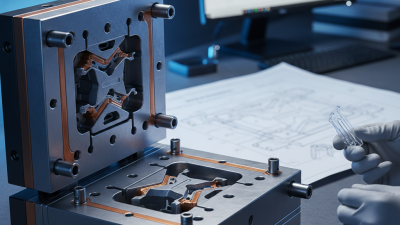
The process begins with raw plastic, which is heated until it melts. This molten plastic is then injected into a mold. The mold determines the final shape of the product. After cooling, the solidified piece is removed. This technology is efficient and allows for mass production, reducing costs and time. However, it can also lead to waste if not managed properly.
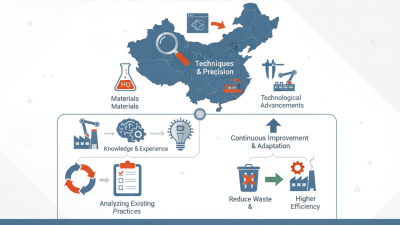
Experts recognize the importance of innovation in plastic molding technology. Continuous improvement is necessary to meet changing industry demands. While advancements have enhanced efficiency, there are still challenges. Questions about environmental impact and sustainability linger. Addressing these issues is crucial for the future of this technology.
Overview of Plastic Molding Technology and its Applications
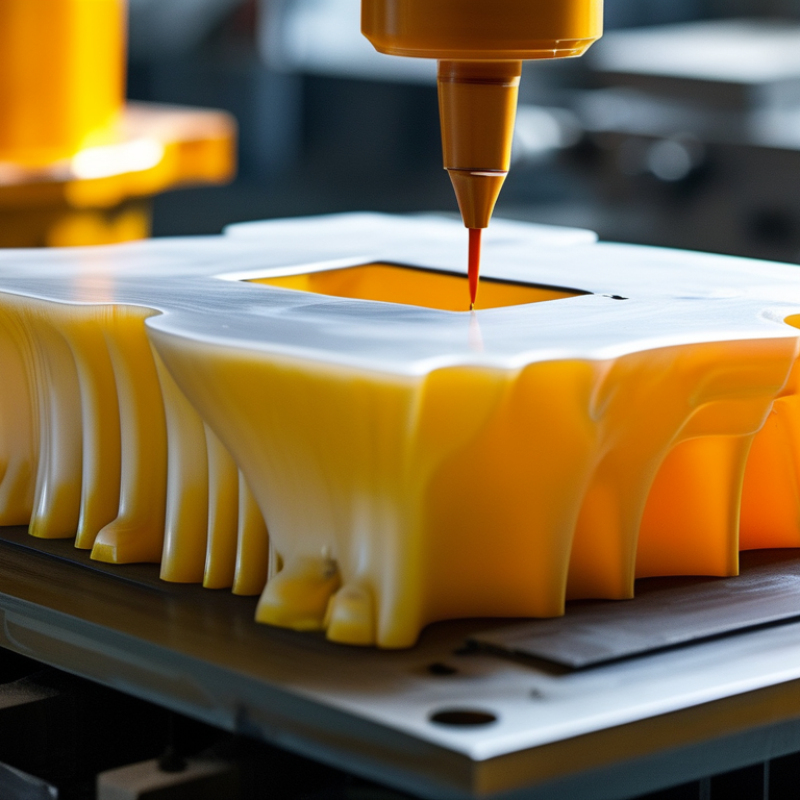
Plastic molding technology is a crucial process in manufacturing. It involves shaping plastic into desired forms through various methods. Common techniques include injection molding, blow molding, and rotational molding. Each method has unique advantages and applications across different industries.
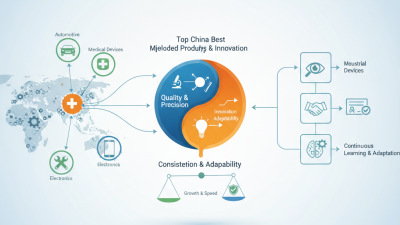
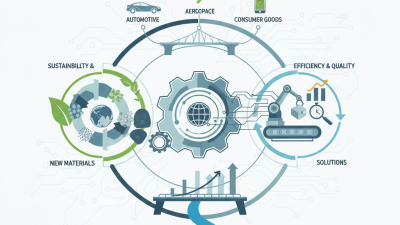
In automotive manufacturing, plastic parts are essential for reducing weight and enhancing fuel efficiency. Similarly, consumer goods rely on plastic for durable and lightweight designs. Packaging is another significant area where plastic molding technology excels, offering tailored solutions for protection and presentation.
Tips: When selecting a molding process, consider the material properties and desired product features. Research different methods to find one that suits your needs. Always evaluate the environmental impact of your choices, as sustainability is an essential factor in modern manufacturing.
While plastic molding technology provides many benefits, challenges exist. For instance, the initial setup cost can be high. Additionally, precise quality control is needed to minimize defects. As technology evolves, staying informed about innovations can help improve production efficiency and product quality.
Types of Plastic Molding Processes Explained
Plastic molding technology includes various processes, each suited for specific applications. The most common methods are injection molding, blow molding, and rotational molding.
Injection molding is widely used for creating complex parts. Molten plastic is injected into a mold under pressure. This method offers high precision but can be costly for small runs.
Blow molding is ideal for hollow objects, like bottles. Air is introduced to a plastic tube, expanding it to fill the mold. It is efficient but limited to certain shapes.
Rotational molding involves heating plastic powder in a mold. The mold rotates, coating all sides evenly. This process is great for large, hollow items but can be slower and less precise.
Tips: When choosing a molding process, consider production volume and design complexity. Evaluate the costs versus the benefits for your specific project. Always prototype first; this can save time and resources.
Key Materials Used in Plastic Molding
Plastic molding technology is crucial for various industries. It transforms raw materials into usable products. Each material has unique properties, affecting the final result. The selection of materials plays a significant role in the manufacturing process.
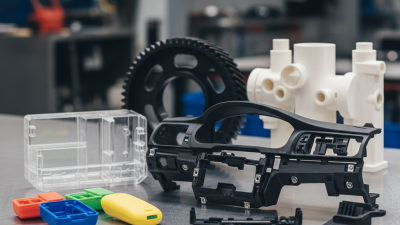
One of the most common materials used is polycarbonate. This thermoplastic is strong and durable. It can withstand high temperatures, making it ideal for items like safety glasses and electronic housings. Another popular choice is polypropylene. It is lightweight and resistant to chemicals, perfect for packaging and automotive parts. These materials are often chosen for their ease of processing and cost-effectiveness.
There are other materials worth mentioning. For example, acrylic is known for its clarity and weather resistance. However, it can be brittle and not suitable for all applications. Companies must carefully consider the trade-offs involved in material selection. The right choice affects not only quality but also safety and longevity. Understanding these attributes is essential for successful plastic molding.
Plastic Molding Technology: Key Materials Used
The Steps Involved in the Plastic Molding Process
Plastic molding technology involves several key steps. It begins with material selection. Common choices include thermoplastics and thermosets. Each material exhibits unique properties, influencing the final product's functionality and durability.
Next comes the heating phase. The selected plastic is heated until it reaches a pliable state. This process can be inefficient. Some materials may degrade if overheated. Careful temperature control is essential. Once melted, the plastic is injected into a meticulously designed mold.
After cooling, the mold is opened, and the solidified part is ejected. Defects can occur at different stages, such as surface imperfections or incorrect dimensions. Timing and pressure must be monitored closely. It’s vital to conduct thorough quality checks. Each step requires precision and often leads to iterative adjustments, which highlight the continuous improvement necessary in this field.
Advantages and Challenges of Plastic Molding Technology
Plastic molding technology offers various advantages and challenges that impact its effectiveness in production. One notable advantage is its ability to create complex shapes. This makes it suitable for a wide range of applications, from automotive parts to household items. Additionally, it allows for mass production, which can reduce costs significantly. Many manufacturers appreciate the flexibility of materials used in plastic molding. Different types of plastics can be employed, each offering unique properties.
However, challenges persist in this field. Quality control can be difficult, as issues in the molding process often lead to defects. This requires continuous monitoring and adjustments. The initial setup costs for plastic molding can also be high, making it a consideration for smaller manufacturers. Moreover, environmental concerns are rising. While recycling options exist, many plastics still contribute to waste. As industries evolve, finding sustainable alternatives in plastic molding becomes crucial. This complexity demands ongoing reflection for improvement and innovation.
What is Plastic Molding Technology and How Does It Work? - Advantages and Challenges of Plastic Molding Technology
| Aspect |
Description |
| Definition |
Plastic molding technology involves the process of shaping plastic materials into desired forms and products through various methods. |
| Molding Techniques |
Common techniques include injection molding, blow molding, rotational molding, and compression molding. |
| Applications |
Plastic molding is widely used in automotive parts, consumer goods, medical devices, and packaging. |
| Advantages |
High efficiency, cost-effectiveness, flexibility in design, and the ability to produce complex shapes. |
| Challenges |
Environmental concerns, waste management, high initial setup costs, and limitations in certain materials. |
| Future Trends |
Focus on sustainable materials, automation in production, and advancements in 3D printing technologies. |
 Skip to content