Skip to contentChina has become a major center for advanced plastic molding technology, supported by strong machinery production, engineering talent, and export infrastructure. The market serves automotive, medical, electronics, packaging, and consumer-product manufacturers. According to Fortune Business Insights, the global injection molding machine market was valued at approximately USD 15.39 billion in 2023. It may reach USD 19.66 billion by 2030. These figures show why equipment reliability and process control matter.
China’s leading manufacturers include Haitian International, Yizumi, LK Technology, Tederic, Borch, and Chen Hsong. Their product ranges commonly include servo-hydraulic, electric, two-platen, and high-speed injection molding systems. Modern machines often combine closed-loop control, energy monitoring, mold protection, and remote diagnostics. A production floor may reveal the difference clearly: quieter servomotors, stable melt temperatures, and fewer rejected parts during long production runs. The China Plastics Machinery Industry Association also identifies automation, energy efficiency, and intelligent manufacturing as important industry development directions.
However, “top” does not mean identical. A supplier with excellent automotive experience may not suit medical molding or thin-wall packaging. Buyers should examine clamp-force accuracy, repeatability, mold compatibility, after-sales response, and verified customer applications. Grand View Research and other market studies provide useful growth estimates, but their figures and market definitions may differ. That limitation deserves attention. Rankings can change quickly. This guide therefore evaluates Chinese manufacturers through documented capabilities, technical support, application experience, and measurable machine performance, rather than brand popularity alone.
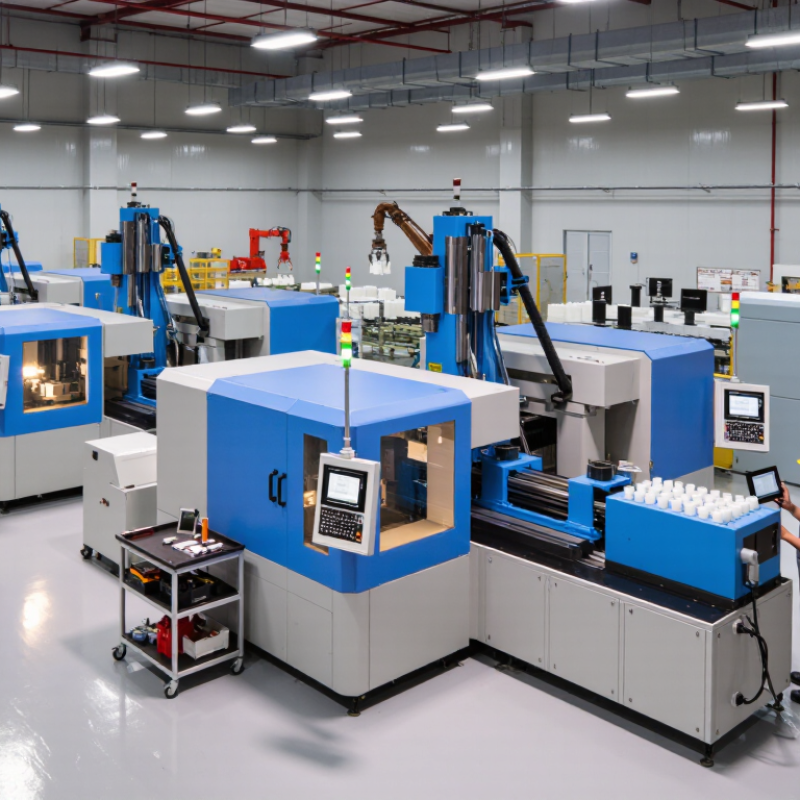
China’s plastic molding technology covers more than injection machines. It includes mold design, polymer selection, process control, cooling systems, automation, inspection, and recycling practices. Common processes include injection molding, blow molding, compression molding, thermoforming, and rotational molding. Each method serves different production needs, from thin packaging parts to reinforced automotive components.
The scope is substantial. The China Plastics Processing Industry Association reported approximately 74.89 million tonnes of plastic product output in 2023. This figure shows manufacturing scale, but it does not measure molding technology alone. Production volume can hide differences in precision, energy use, defect rates, and material recovery. That distinction matters when evaluating China’s leading manufacturers.
In factory assessments, practical details often reveal more than catalog claims. A stable mold temperature, controlled injection pressure, and repeatable cycle time directly affect quality. Digital monitoring is expanding, especially for medical, electronic, and lightweight transport components. However, smaller suppliers may still depend on manual adjustments. The boundary is not always clean. Some companies design molds but outsource processing, while others integrate equipment, tooling, and quality testing. ISO 20457 provides useful guidance for plastic parts made by molding, yet local compliance requirements and customer specifications remain important. A reliable evaluation should examine process validation, traceability records, maintenance skills, and documented production data, not only machine size or annual capacity.
China Top Plastic Molding Technology Manufacturers
Chinese plastic molding companies commonly use injection molding for housings, medical components, automotive clips, and precision industrial parts. Heated resin enters a steel mold under controlled pressure. Cooling time matters because uneven shrinkage can create warping, sink marks, or visible weld lines. Experienced teams adjust temperature, pressure, and cycle speed through repeated sampling.
Blow molding forms hollow products such as containers, ducts, and protective cases. Extrusion molding continuously produces pipes, sheets, films, and profiles. Compression molding remains useful for larger parts and materials requiring steady heat and pressure. Some factories also combine insert molding with overmolding, placing metal parts or soft materials inside a single plastic component.
Tool design usually begins with draft analysis, gate planning, flow simulation, and cooling-channel layout. Quality staff then inspect dimensions using gauges, coordinate measuring machines, and visual checks. Production records should connect resin batches with machine settings and inspection results. This sounds simple. It is not always consistent.
In practical sourcing work, small details often decide reliability. A mold may pass its first trial but fail after thousands of cycles. A low-cost resin change can alter color, strength, or shrinkage. Chinese manufacturers with stronger process control review these risks before mass production. Still, no factory is perfect. Clear drawings, realistic tolerances, and regular communication reduce expensive revisions.
| Manufacturing Process | Common Thermoplastics or Materials | Typical Part Characteristics | Typical Production Volume | Indicative Dimensional Capability | Typical Applications |
|---|---|---|---|---|---|
| Injection Molding | PP, ABS, PC, PA, POM, PBT, TPU, TPE | Complex geometries, ribs, bosses, snap-fits, textured surfaces and repeatable features | Medium to very high | Often about ±0.05–0.20 mm for suitable features; dependent on material, size and tooling | Automotive components, consumer products, electrical housings, medical disposables |
| Two-Shot or Multi-Component Molding | Hard thermoplastics combined with TPE, TPU or other compatible polymers | Integrated colors, soft-touch grips, seals and multiple material zones | Medium to high | Generally comparable to standard injection molding when material bonding and tooling are controlled | Hand tools, consumer electronics, control panels, wearable products |
| Insert Molding | Engineering plastics molded around metal or preformed polymer inserts | Molded-in terminals, threaded bushings, shafts, magnets or reinforcement components | Low to high, depending on automation | Controlled by both insert accuracy and mold capability; post-molding inspection is commonly required | Electrical connectors, automotive sensors, threaded components, structural assemblies |
| Blow Molding | HDPE, LDPE, PP, PET and PVC formulations | Hollow parts with relatively uniform walls and internal cavities | Medium to very high | Lower dimensional precision than injection molding; wall-thickness distribution is a key control point | Bottles, containers, tanks, ducts and hollow industrial packaging |
| Extrusion | PE, PP, PVC, ABS, TPE and other melt-processable polymers | Continuous profiles with constant or periodically controlled cross-sections | Medium to very high | Profile tolerances depend on polymer, die design, cooling and line speed | Pipes, tubing, seals, sheets, films, window profiles and cable insulation |
| Compression Molding | Thermosets, silicone rubber, elastomers and fiber-reinforced compounds | Flat, moderately complex or heat-resistant parts with controlled compression geometry | Low to medium, with automated systems supporting higher output | Suitable for functional tolerances; shrinkage and material flow must be accounted for in tooling | Electrical insulation, seals, gaskets, appliance components and composite parts |
| Rotational Molding | LLDPE, HDPE, PVC plastisol and selected engineering polymers | Large hollow parts, double-wall structures and products with low residual stress | Low to medium | Broader tolerances than injection molding; wall thickness and warpage require process monitoring | Storage tanks, bins, playground equipment, kayaks and industrial containers |
| Thermoforming | ABS, HIPS, PETG, PVC, PP and sheet-grade polycarbonate | Large, thin-walled parts formed from heated plastic sheet | Low to high | Typically less precise than injection molding; trimming and sheet thickness affect final accuracy | Packaging trays, equipment covers, vehicle interior panels and display components |
| Gas-Assisted Injection Molding | PP, ABS, PC/ABS and other injection-molding grades | Thick-section parts with reduced sink marks, lower weight and internal hollow channels | Medium to high | Comparable to injection molding, provided gas penetration and packing conditions are stable | Automotive handles, structural panels, appliance components and furniture parts |
| Micro Injection Molding | POM, PA, PC, LCP, medical-grade polymers and other precision resins | Very small, lightweight parts requiring fine features and controlled shot size | Medium to high | Can achieve tight tolerances on suitable features, but polymer shrinkage and measurement method are critical | Medical devices, miniature gears, optical components and precision electronics |
| Additive Manufacturing for Plastic Prototypes | PLA, ABS-like materials, nylon, photopolymer resins and TPU | Complex prototypes, fit-check models, low-volume parts and tooling aids | Prototype to low volume | Commonly about ±0.10–0.30 mm, depending on technology, part size, orientation and post-processing | Design validation, jigs, fixtures, samples and customized short-run products |
Note: Production volume, dimensional capability and material suitability are indicative industry ranges. Actual results depend on part geometry, resin grade, mold design, machine control, inspection method and quality requirements.
China’s leading plastic molding manufacturers serve several product categories. Injection molding systems produce housings, caps, connectors, and precision medical components. Blow molding equipment forms bottles, tanks, and hollow industrial containers. Extrusion lines create pipes, films, profiles, and multilayer sheets. Mold makers also supply hot-runner tools, insert molds, and multi-cavity systems for high-volume production.
The applications are broad and highly practical. Automotive plants use molded dashboards, battery trays, clips, and fluid reservoirs. Electronics factories require thin-wall housings and connector parts with stable dimensions. Packaging remains a major consumer, especially for closures, containers, and barrier films. The medical sector demands controlled molding rooms, traceable materials, and repeatable cavity performance. According to Mordor Intelligence’s 2024 Injection Molding Machine Market report, the market was valued at about USD 12.68 billion in 2024 and may reach USD 16.41 billion by 2029.
Energy efficiency now affects purchasing decisions. Servo-hydraulic machines can reduce idle power, while electric systems support cleaner cycle control. The International Energy Agency reports that industry remains a major global energy consumer, making production efficiency commercially important. However, advertised savings are not always comparable. Resin type, mold cooling, part weight, and factory utilization can change results significantly. A supplier’s real expertise appears in mold-flow analysis, dimensional testing, preventive maintenance, and documented process validation. That evidence matters more than polished equipment photographs.
China’s leading plastic molding technology manufacturers combine strict quality systems with practical production experience. Many operate under ISO 9001-based procedures, using material certificates, batch records, and inspection reports to support traceability. Skilled technicians check mold dimensions with coordinate measuring machines and verify parts through sampling plans. Small defects still matter. A short shot, uneven wall, or flash can affect assembly later.
Tips: Request a complete quality plan before production. Review mold-flow analysis, first-article inspection, tolerance records, and corrective-action procedures. Ask how the factory handles rejected parts and tool maintenance. Clear answers often reveal real expertise.
Innovation is visible on the production floor. Advanced manufacturers use automated feeding, real-time process monitoring, and energy-efficient injection equipment. They may test recycled or bio-based materials, but performance must come before marketing claims. Production capability also depends on mold complexity, machine range, cavity control, and delivery planning. A facility with large presses may still struggle with tight tolerances. That is worth remembering. During supplier evaluation, inspect sample parts, observe trial runs, and compare cycle-time data with actual output. Experienced teams explain limitations openly, while reliable partners document changes instead of hiding them.
Evaluating China’s top plastic molding technology manufacturers requires evidence beyond a polished factory tour. Ask for process capability studies, mold-maintenance records, material certificates, and traceable inspection data. A supplier should report dimensional results using calibrated equipment, not only show attractive samples. Check Cpk values for critical dimensions, cavity balance, cycle-time stability, and defect rates across several production batches.
Capacity claims also need practical testing. Request a controlled trial using your resin, mold design, wall thickness, and production volume. Compare first-shot results with samples made after continuous operation. The global plastics industry produced 400.3 million tonnes in 2022, according to PlasticsEurope’s Plastics—The Fast Facts 2023. High-volume capability matters, but repeatability matters more. A fast machine can still produce inconsistent parts.
Sustainability should be measured, not advertised. The OECD Global Plastics Outlook reports 353 million tonnes of plastic waste in 2019, while only 9% was recycled. Ask manufacturers to document scrap rates, regrind controls, energy consumption, and waste handling. Review ISO 9001 systems, employee training, corrective-action records, and supplier continuity plans. An honest factory will disclose a recent tooling repair or failed trial. That is not automatically a weakness. Concealed problems are worse. Evaluation can remain imperfect when audit samples are limited, so independent testing and a small pilot order reduce avoidable risk.
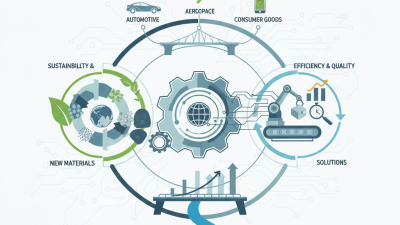
This neutral evaluation framework compares the key factors used when assessing plastic molding technology manufacturers in China. Technical capability, quality control, material expertise, production scalability, delivery reliability, and engineering support are scored on a 100-point benchmark scale. The model is designed for supplier screening and does not represent data from any individual company or brand.