Skip to contentFor global buyers, plastic packaging innovation in 2026 is not simply about replacing one material with another. It is about balancing protection, cost, logistics, and credible end-of-life options. The scale is clear: the OECD’s Global Plastics Outlook (2022) reports that packaging made up about 40% of global plastic waste in 2019. That figure makes packaging a practical place to act—and a difficult one.
The choices are becoming more varied: lightweight formats, recycled-content plastics, refill systems, and designs intended for recycling. Yet performance depends on local collection and sorting, not just a promising sample in a supplier’s showroom. A pouch that protects coffee from moisture may work brilliantly on the shelf, but have limited recovery options in its destination market. Details matter. So does the evidence behind each claim.
Ellen MacArthur, founder of the Ellen MacArthur Foundation, has called for businesses to “eliminate the plastic we don’t need, innovate so all the plastic we do need is designed to be safely reused, recycled, or composted.” The Foundation’s Global Commitment progress reporting reinforces the need for measurable action, while UNEP’s 2023 report, Turning off the Tap, estimates that systemic changes could cut plastic pollution by 80% by 2040. This guide examines innovations through a buyer’s lens: product protection, material use, supplier evidence, and realistic recovery pathways. No format is perfect. The useful question is whether its trade-offs are visible—and manageable.
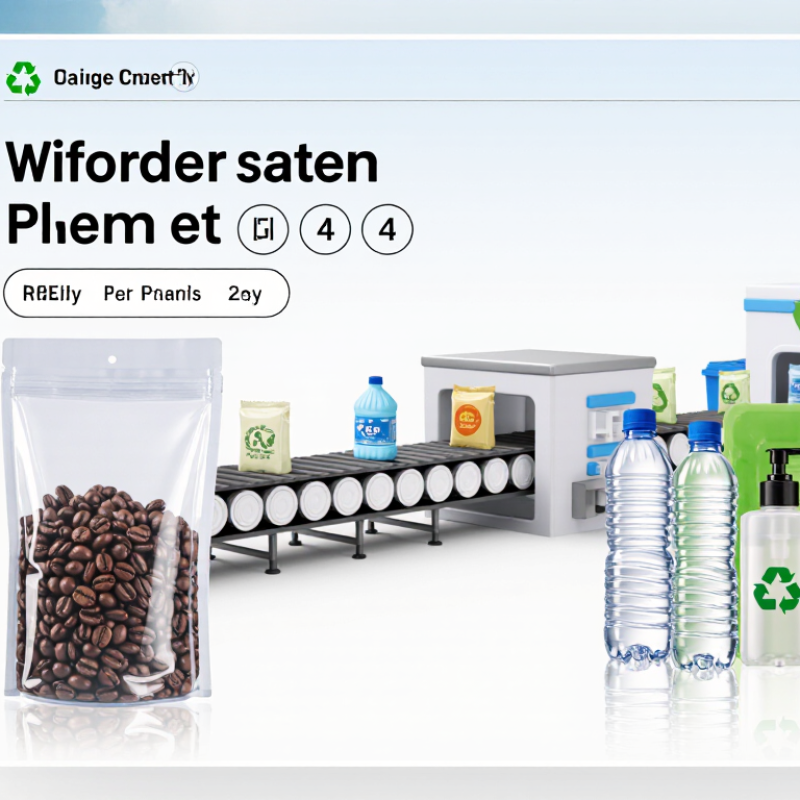
In 2026, plastic packaging innovation is less about adding features and more about solving measurable problems. A lighter pouch may reduce shipping weight, but only if it still protects the product through handling and storage. Buyers should compare barrier performance, seal strength, material use, and damage rates—not just appearance. Small details matter. A seal that wrinkles on a filling line can create waste quickly.
Design for recycling is also becoming a practical measure of innovation. Packages made from fewer compatible materials can be easier to sort than complex structures, though performance needs testing. Recycled content may vary in color, odor, and availability between batches. That is worth discussing early. Ask suppliers for material specifications, sample results, and clear documentation of recycled-content claims. A promising sample is not always proof of consistent production.
Useful innovation can be modest: a thinner wall that survives drop tests, a cap that uses less resin, or a label that separates cleanly during processing. Refill formats and reusable containers may work well in some delivery systems, but not every customer will return them. There is no perfect package. Global buyers should test products under realistic temperatures, transport routes, and filling conditions, then review the results with their technical teams. Sometimes the best design is less impressive on a screen, and more reliable on a busy packing line.
Global buyers are looking beyond lighter plastic: material choice and package format now shape both shelf performance and end-of-life options. The OECD’s Global Plastics Outlook (2022) estimates that 353 million tonnes of plastic waste were generated worldwide in 2019, while only 9% was ultimately recycled. That gap gives mono-material polyethylene and polypropylene packs a practical advantage: they can be easier to sort and recycle where collection systems accept them. Think of a flexible pouch with one polymer layer instead of a difficult-to-separate laminate. But design alone cannot fix weak local recycling infrastructure. Not a silver bullet.
Bio-based plastics are also gaining attention. European Bioplastics and nova-Institute estimate global bioplastics production capacity at 2.47 million tonnes in 2024, with packaging representing about 45% of the market. These figures describe capacity, not guaranteed sales or actual recycling. Bio-based does not automatically mean compostable, and compostable packs need suitable processing facilities. Refill formats, returnable containers, and concentrated products offer another route: fewer single-use packs per purchase. A sturdy refill pouch beside a rigid bottle makes the trade-off visible. It may cut packaging weight, yet buyers still need convenient refills and reliable collection. Material claims can sound cleaner than the systems behind them.
Smart packaging works best when its feature solves a specific handling problem. A time-temperature indicator can show whether a chilled shipment experienced excess heat, while a tamper-evident seal makes interference easier to spot. QR codes can connect buyers to batch details, storage instructions, or recycling guidance. For warehouses, RFID tags can speed up item identification during receiving and stock checks. Small signals matter.
The need is substantial. FAO’s 2019 report estimated that 14% of food is lost between harvest and retail, while UNEP’s Food Waste Index Report 2024 estimated 1.05 billion tonnes of food waste in 2022. Smart features cannot solve these losses alone. They can help workers identify handling problems sooner, but only when readings are accurate and staff know what to do next.
A QR code is not a magic fix. If it leads to outdated information, it may frustrate buyers instead. Buyers should test labels under real conditions: condensation, rough transport, and low-light scanning.
One detail is easy to miss: added sensors and electronics can complicate recycling. Performance gains deserve scrutiny, too.
2026 Best Plastic Packaging Innovations for Global Buyers
How Buyers Can Assess Safety and Global Compliance
Innovative plastic packaging must protect products without creating hidden safety risks. OECD’s Global Plastics Outlook reports that packaging generated 40% of plastic waste in 2019. That figure makes material choice important, but recyclability alone does not prove food-contact safety. Ask suppliers for material specifications, batch traceability, and migration-test results that match the intended food, temperature, and contact time. A test for cold, dry goods may not cover hot, oily food. Small details matter.
Tips: Check that test reports identify the tested material and conditions. Compare them with your product’s actual use. Confirm that declarations and records meet each destination market’s requirements. “Global compliant” is not one universal approval.
Rules differ across markets and packaging types. In the European Union, food-contact plastics are subject to Regulation (EU) No 10/2011; other destinations may require different documentation or testing. Review the latest requirements with a qualified compliance specialist before ordering. Paper is not proof. A complete-looking file can still miss a resin change, colorant detail, or updated market rule. Ask how suppliers control these changes, and keep approved samples for comparison when shipments arrive.
EU packaging recycling targets by material (%), for 2025 and 2030
These are EU-wide recycling targets, not a guarantee that an individual package is recyclable or compliant. Buyers should separately verify food-contact safety, testing documentation, and requirements in each destination market.
Source: Directive 94/62/EC on packaging and packaging waste, as amended by Directive (EU) 2018/852. Targets are EU-level recycling rates.
For global buyers, a packaging quote is only the starting point. Compare suppliers on delivered cost, protective performance, and measured material use. Ask for samples in the actual product format, then test seal strength, drop resistance, and shelf-life performance. Small details matter. A lighter pack can still increase damage or returns if its barrier is inadequate. Request itemized pricing for tooling, minimum orders, freight, and quality checks. Confirm recycled-content claims through traceable documentation, and check whether local collection systems can process the proposed material.
Lifecycle value needs evidence, not optimistic labels. The OECD’s Global Plastics Outlook reports that the world generated 353 million tonnes of plastic waste in 2019; only 9% was ultimately recycled. That makes end-of-life design a practical purchasing question. Compare mono-material structures, recycled content, and reuse options against the package’s real transport and protection needs. UNEP’s 2023 Turning off the Tap report estimates that systemic changes could reduce plastic pollution by 80% by 2040, but that is a scenario, not a supplier guarantee. Ask vendors for lifecycle-assessment boundaries, energy and water data, and clear assumptions. Results can be imperfect. That is a reason to scrutinize them, not ignore them.
| Packaging Innovation | Typical Formats | Potential Material or Lifecycle Benefit | Indicative Cost Considerations | Key Supplier Questions | Main Limitations to Check |
|---|---|---|---|---|---|
| Lightweighting | Bottles, caps, trays, tubs, and flexible packs made with less material per unit. | Can reduce resin use and packaging weight while retaining the required protection and performance. | May require tooling, line, or design changes. Compare cost per packed unit, not only cost per kilogram. | What is the verified weight change against the current pack? Are drop, compression, seal, and transport tests available? | Over-reduction can cause damage, leakage, or higher product loss, which may outweigh material savings. |
| Recycled-content PET or HDPE | Commonly considered for bottles, jars, and selected rigid containers, subject to application requirements. | Uses recycled feedstock in place of some or all virgin resin. Actual environmental benefit depends on sourcing, processing, and transport. | Pricing and availability can vary with resin grade, color, quality, region, and demand. Request a separate recycled-resin price basis. | Can the supplier document recycled content, chain of custody, batch consistency, and applicable food-contact compliance? | Color, odor, clarity, and mechanical properties may differ from virgin resin. Recycled content alone does not ensure the finished pack is recyclable. |
| Mono-material flexible packaging | Films, pouches, and bags designed primarily around one polymer family, such as PE or PP. | Can make material identification and recycling more compatible with collection and sorting systems that accept that polymer. | New film structures, printing, or sealing settings may affect conversion costs and production yield. | What is the full layer structure, including coatings, inks, adhesives, zippers, and labels? Has the pack been tested on our filling line? | “Mono-material” does not guarantee recyclability. Local collection, sorting, film acceptance, and design details matter; barrier performance must also be checked. |
| Refill and reuse systems | Reusable containers with refill pouches, refill packs, or return-and-refill models. | Repeated use can reduce packaging demand per use when containers achieve enough reuse cycles and reverse logistics work efficiently. | Include the durable container, cleaning, collection, refill, transport, and loss rates in the total-cost comparison. | What is the expected number of reuse cycles, return rate, cleaning method, and cost per completed use? | Benefits depend on actual reuse frequency and logistics. A refill format is not automatically lower impact in every market or use case. |
| Bio-based drop-in plastics | Selected packaging made from bio-based versions of familiar polymers, including polyethylene. | Can use renewable feedstock while retaining the same polymer type as a fossil-based counterpart. | Compare resin premiums, feedstock documentation, conversion performance, and supply availability by region. | What share is bio-based, how is it verified, and does the material meet the same processing and performance specifications? | Bio-based describes feedstock origin, not end-of-life behavior. A bio-based polymer may not be biodegradable or compostable and may follow the same disposal route as its conventional counterpart. |
| Barrier-enhanced recyclable structures | Films and containers using material-efficient barrier layers or coatings to protect products from oxygen, moisture, light, or aroma loss. | Can help preserve product quality and reduce product waste when protection is matched to the application. | Assess material cost together with shelf-life performance, production yield, and any changes to recycling compatibility. | What barrier targets and shelf-life results are demonstrated? Are coatings, tie layers, or additives compatible with the intended recycling stream? | Barrier components can complicate sorting or recycling. Performance and recyclability claims should be evaluated for the complete package, not only the base polymer. |
Comparison note: Cost descriptions are directional, not market quotations. Obtain comparable supplier quotes using the same annual volume, pack specification, delivery terms, tooling assumptions, and quality requirements. Verify recyclability, recycled-content, and lifecycle claims for the destination market and the complete finished package.