
Skip to content

Why Choose a Galvanized Steel Plate Supplier?

Why Choose a Galvanized Steel Plate Supplier?

Selecting a Galvanized Steel Plate Supplier affects more than the purchase price. It influences service life, fabrication efficiency, project safety, and maintenance costs. A reliable supplier should understand zinc coatings, steel grades, surface preparation, and delivery requirements. That knowledge becomes visible in practical details.

A plate should arrive with consistent coating coverage, accurate dimensions, clean edges, and traceable inspection records. Small defects can create large problems during cutting, welding, or outdoor installation. Experienced suppliers also explain coating thickness, tolerances, storage conditions, and suitable applications. They do not simply promise durability.

Dr. Gregory Zhang, a respected galvanizing researcher, emphasizes, “Effective corrosion protection depends on understanding steel, zinc, and the environment together.” This principle remains important when comparing suppliers. A coastal structure, factory platform, and agricultural building face different exposure conditions. One standard solution may not fit all three.

The best supplier asks useful questions before quoting. What is the operating environment? How will the plate be processed? Which standards must the documentation support? These questions reveal professional judgment.

Still, supplier selection is not always straightforward. Attractive pricing can hide inconsistent quality or weak technical support. Even established suppliers may have occasional delays or imperfect communication. Buyers should review samples, mill certificates, coating reports, packaging methods, and customer feedback.

A dependable Galvanized Steel Plate Supplier combines material quality with honest guidance. That combination helps engineers make realistic decisions. It also reduces avoidable repairs, rejected components, and unexpected downtime. The goal is not merely to buy galvanized steel. It is to secure dependable performance from the warehouse to the finished structure.
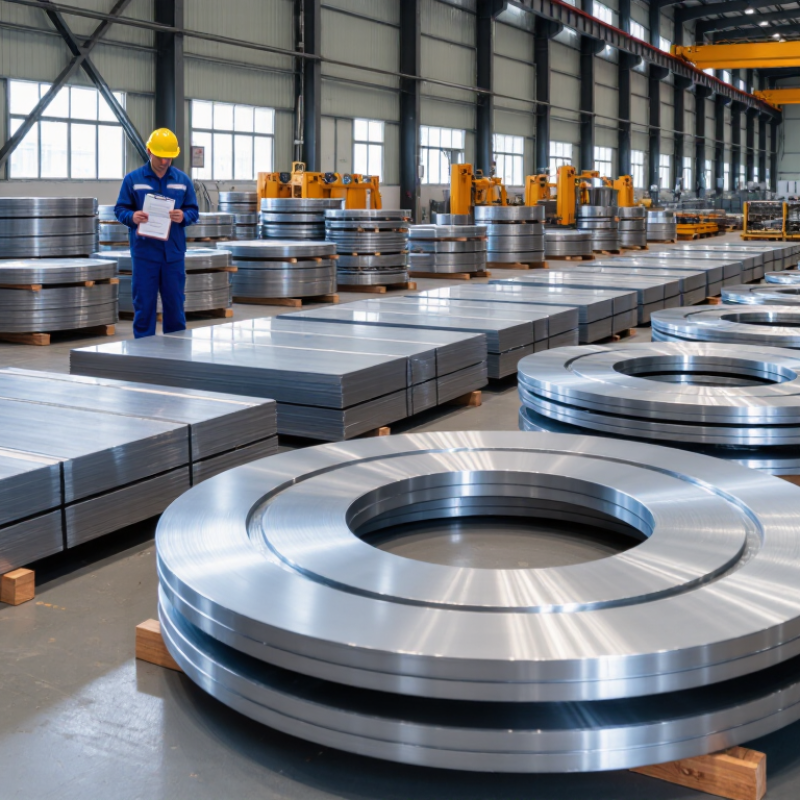
Why Choose a Galvanized Steel Plate Supplier?

What Is a Galvanized Steel Plate Supplier?

A galvanized steel plate supplier is more than a seller of coated metal. It is a company that sources, processes, inspects, and delivers steel plates protected by a zinc layer. This coating helps reduce rust when plates face moisture, outdoor air, or changing temperatures. A reliable supplier should explain the steel grade, plate thickness, zinc coating weight, surface finish, and available sizes. Clear technical documents matter. They support safer design decisions and reduce costly misunderstandings.

Experienced suppliers usually maintain practical quality controls. They check dimensions, coating consistency, edge condition, packaging, and delivery records. Some also provide test reports and material traceability for each batch. These details show professional responsibility, not just sales ability. However, no supplier is perfect. An inspection can miss a small surface mark, especially when orders move quickly. Buyers should still review samples and confirm requirements in writing. That extra step is easy to overlook.

Tips: Ask how the supplier measures coating thickness. Request recent inspection documents. Confirm tolerances before production. Check whether plates arrive dry, covered, and separated to prevent scratches. A short factory visit can reveal storage habits that brochures never show. Choose a supplier that answers technical questions clearly, admits limits, and improves when problems appear.

How the Galvanizing Process Protects Steel Plates

Why Choose a Galvanized Steel Plate Supplier?

Galvanizing protects steel plates through a metallurgical bond between steel and zinc. The process usually includes cleaning, fluxing, and immersion in molten zinc near 450°C. Zinc sacrifices itself. It corrodes before exposed steel does. The coating also forms a physical barrier, sealing edges, scratches, and small surface defects more effectively than paint alone.

Data supports this choice. Published corrosion-rate data from the International Zinc Association indicates that zinc coatings may protect steel for decades, depending on exposure. In rural environments, service life can exceed 50 years. Urban and industrial conditions are harsher, often reducing expected life to roughly 15–40 years. ISO 14713-1 also emphasizes that humidity, salt, pollutants, and coating thickness strongly affect performance. These figures are useful, but not guarantees. Site conditions can surprise even experienced engineers.

Tips: Ask suppliers for coating-thickness records, steel-grade certificates, and inspection results. Look for uniform surfaces, clean edges, and traceable batch information. A reliable supplier should explain whether the plate suits coastal air, chemical exposure, or indoor use. Do not judge quality by shine alone. Dull areas may still be properly protected, while a bright surface can hide poor preparation. In practice, correct drainage and careful cutting matter too. Galvanizing is powerful, but it is not magic.

Key Benefits of Sourcing from a Specialized Supplier

Choosing a specialized galvanized steel plate supplier offers more than access to coated material. It brings technical control into a purchase that may appear simple. The NACE IMPACT study estimated global corrosion costs at about $2.5 trillion annually, equal to 3.4% of global GDP. Proper coating selection can reduce this risk, but thickness alone does not guarantee performance. A reliable supplier checks steel grade, zinc coating mass, surface condition, flatness, and intended exposure.

Specialized suppliers also provide traceable inspection documents. These may include mill certificates, coating test results, dimensional reports, and batch numbers. For example, hot-dip galvanizing should be assessed against recognized requirements such as ISO 1461, when applicable. Experienced technical teams can recommend heavier coatings for humid industrial areas and more suitable finishes for fabrication. Small details matter. A rough edge can damage handling safety.

Cost still matters, but the lowest quotation is not always economical. I have seen purchasing decisions focus on price while overlooking delivery tolerance, packaging, or weldability. That mistake can create rework at the construction site. The World Steel Association reported global crude steel production above 1.8 billion tonnes in recent years, showing how complex the supply chain has become. A focused supplier can narrow that complexity through stable sourcing, documented quality checks, and realistic lead times. It should also admit limitations. No coating removes every corrosion risk.

Factors to Consider When Choosing a Supplier

Choosing a galvanized steel plate supplier requires more than comparing prices. The coating must protect steel from moisture, scratches, and early corrosion. Ask how the supplier controls zinc thickness during production. Request recent test reports, mill certificates, and batch traceability records. These documents show whether the material matches the promised grade and dimensions.

Experience matters when projects involve custom sizes or demanding environments. A reliable supplier should explain plate tolerances, surface conditions, cutting methods, and packaging practices. Check whether plates arrive with dry wrapping, edge protection, and clear labels. Small details matter.

Request a sample when possible.

Lead time also deserves careful attention. A low quotation is useless if production delays stop your installation team. Ask about stock levels, realistic delivery dates, and responses to urgent changes. Clear communication often reveals more than polished sales language. During supplier evaluations, compare answers in writing. Vague promises should raise questions.

I would also inspect the supplier’s quality process, not just its certificates. Does it review rejected plates? Does it record customer complaints? These details show whether improvement is practical or merely advertised. No supplier is perfect, and even strong systems can fail occasionally. What matters is honest reporting, corrective action, and evidence that the same problem will not quietly return.

How to Verify Product Quality and Supply Reliability

Why Choose a Galvanized Steel Plate Supplier?

A dependable supplier proves quality with records, not attractive promises. Ask for mill certificates showing chemical composition, yield strength, tensile strength, and heat numbers. Check whether each plate matches the stated grade and thickness. A practical inspection should measure zinc coating thickness at several points, including edges and corners. Inspectors should also review surface defects, flatness, dimensions, and visible corrosion. Request samples when possible. A sample reveals handling quality, labeling accuracy, and packaging strength. I have seen minor measurement errors become costly installation problems. That is why independent inspection can be worthwhile.

Tips: Compare certificates with test results. Confirm the inspection standard in writing. Photograph received plates before unloading. Record batch numbers and delivery dates. Do not rely only on a supplier’s website. Check whether testing comes from a qualified laboratory. Small details matter.

Supply reliability requires more than a large warehouse. Review recent delivery performance, production capacity, and normal lead times. Ask how the supplier handles sudden demand, rejected batches, port delays, or equipment failure. Clear answers show preparation. Vague answers deserve attention. A reliable supplier provides order confirmations, packing lists, and shipment updates. They should also explain replacement procedures for damaged or nonconforming plates. However, even careful suppliers can face delays. A backup schedule is sensible. My own review process has improved after one overlooked holiday shutdown caused unnecessary pressure. Verification should continue after the purchase, not end with the invoice.

Scroll To Top