 Skip to content
What Are the Top Thermal Label Types?
Choosing the right Thermal Label begins with understanding the application, not the printer alone. A warehouse label faces dust, abrasion, cold storage, and repeated scanning. A supermarket receipt label faces heat, friction, and short-term handling. These conditions demand different materials, adhesives, and coating choices.
Mike Fairley, a respected label-industry educator and founder of the Labels & Labeling Knowledge Centre, has described labels as “a critical part of the product and packaging communication process.” That principle matters when comparing direct thermal, thermal transfer, polypropylene, polyester, and specialty removable labels. Each type solves a different operational problem. Direct thermal labels print without ribbons, making them efficient for shipping, delivery, and temporary identification. Thermal transfer labels use a ribbon, but they usually provide stronger resistance to moisture, chemicals, sunlight, and abrasion.
The practical details can change the decision. A frozen-food label may need adhesive that remains flexible below zero. A pharmacy label may require sharp text and stable readability. A retail shelf label might need easy removal without leaving residue. Small mistakes become expensive quickly.
Yet no single Thermal Label type is perfect. Direct thermal stock can darken under heat or sunlight. Durable synthetic labels often cost more. Even expert recommendations need testing. A sample roll, a real scanner, and a few days of handling can reveal problems that specifications miss.
This guide compares the top Thermal Label types, their strengths, limitations, and suitable environments. The goal is not to choose the most advanced option. It is to choose the label that keeps working.
What Thermal Labels Are and How They Work
What Are the Top Thermal Label Types?
What Thermal Labels Are and How They Work
Thermal labels create images through controlled heat instead of liquid ink. A printer heats selected dots on the label surface. Those dots form text, numbers, and barcodes. The most common types are direct thermal and thermal transfer labels. The difference matters.
Direct thermal labels contain a heat-sensitive coating. The coated surface turns dark when heated. They work well for shipping tags, receipts, tickets, and short-term warehouse labels. However, sunlight, friction, and high temperatures can slowly fade the image. A label may look clear today and unreadable later.
Thermal transfer labels use a heated ribbon to place ink onto the label material. They often provide better resistance to moisture, abrasion, and long storage. Paper works for general indoor applications. Synthetic materials suit cold rooms, outdoor containers, and areas exposed to spills. Adhesive choice also affects performance. A strong adhesive may fail on dusty cardboard, while a removable one may lift too easily.
In practical testing, I check the printed barcode after rubbing it against a carton edge. I also leave samples near a window and in a cooler area. One successful print is not enough evidence. Printer heat, speed, material, and ribbon settings must match. Small adjustments can prevent pale text, smearing, or missing barcode lines. I would not treat a single test as proof of long-term reliability.
What Are the Top Thermal Label Types? - What Thermal Labels Are and How They Work
| Thermal Label Type | How It Works | Common Face Material | Typical Image Life | Resistance Profile | Typical Applications | Main Advantages | Main Limitations |
|---|---|---|---|---|---|---|---|
| Direct Thermal Paper | A heat-sensitive coating turns dark when heated by the printer’s thermal printhead. No ink ribbon is required. | Coated paper | Short to medium term; often suitable for temporary identification and routine shipping labels. | Limited resistance to heat, sunlight, abrasion, oils, plasticizers, and some chemicals. | Shipping, receipts, queue tickets, retail price labels, and short-term logistics. | Simple operation, low media cost, and no ribbon waste. | The printed image can fade, darken, or become unreadable under unsuitable storage or handling conditions. |
| Direct Thermal Synthetic | A thermal-sensitive topcoat on a synthetic film forms the image directly from printhead heat. | Polypropylene, polyester, or other synthetic film with a thermal coating | Short to medium term, depending on the coating and environmental exposure. | Better tear and moisture resistance than paper; image remains sensitive to heat, UV exposure, and abrasion. | Freezer labels, outdoor shipping, food handling, laboratory identification, and applications requiring flexible moisture resistance. | More durable label construction without using a ribbon. | Not ideal when long-term image permanence or frequent exposure to heat and sunlight is required. |
| Thermal Transfer Paper | The printhead heats a coated ribbon, transferring ink onto the label surface. The label itself is not heat-sensitive. | Uncoated or coated paper | Medium to long term under suitable storage and handling conditions. | Generally better image stability than direct thermal paper; resistance depends on the ribbon and paper coating. | Product labels, inventory tags, carton labels, shelf labels, and general-purpose identification. | Good print quality, broad material choices, and improved resistance to environmental exposure. | Requires a compatible ribbon, creating additional material cost and waste. |
| Thermal Transfer Polypropylene | A ribbon transfers a durable image onto a flexible polypropylene film label. | Polypropylene film | Medium to long term, depending on ribbon type and exposure conditions. | Good moisture resistance, tear resistance, and moderate chemical resistance. | Bottles, household products, refrigerated goods, cosmetics, and durable product identification. | Flexible, water-resistant, and more durable than paper labels. | May curl or lose adhesion if the adhesive and application surface are poorly matched. |
| Thermal Transfer Polyester | A thermal printhead transfers resin- or wax-resin-based ink from a ribbon onto a polyester film. | Polyester film | Long term when the label, ribbon, adhesive, and environment are properly matched. | Excellent tear resistance and strong resistance to moisture, abrasion, chemicals, and temperature variation. | Asset tags, electrical panels, laboratory equipment, industrial containers, and compliance identification. | High durability and stable readability in demanding environments. | Higher overall media cost and more careful printer, ribbon, and surface selection. |
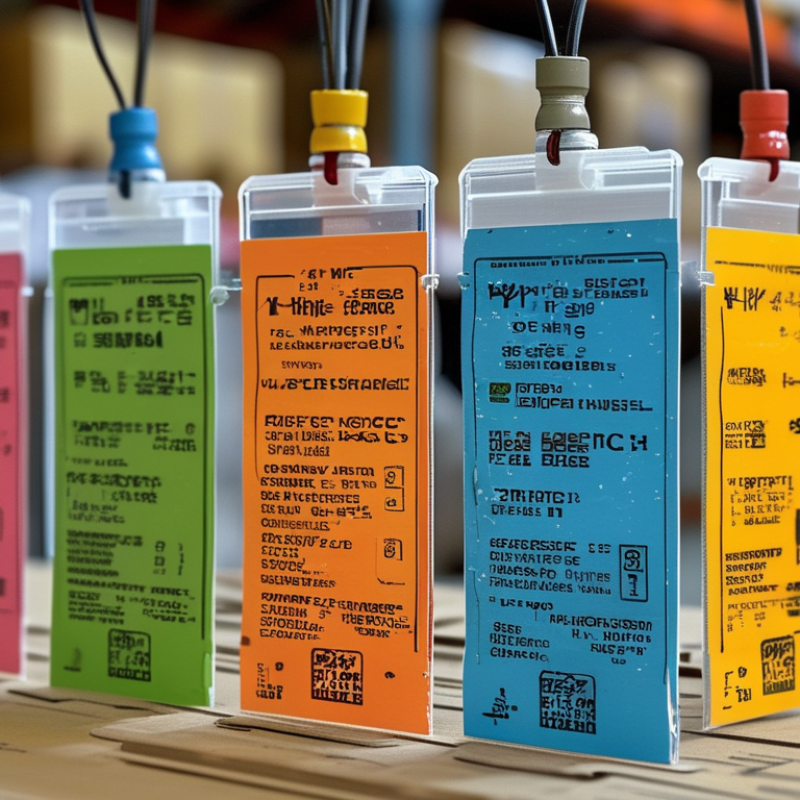
| Colored Thermal Labels | The label stock provides a pre-colored background; printing is usually performed by direct thermal or thermal transfer methods. | Colored paper or synthetic film | Determined primarily by the printing method and face material. | Varies by paper or film construction; synthetic versions generally provide better moisture and tear resistance. | Warehouse organization, hazard communication, document routing, and visual product classification. | Improves visual sorting and makes categories easier to identify quickly. | Color consistency and barcode contrast must be checked before large-scale use. |
Note: Actual performance depends on the label material, adhesive, ribbon formulation, printer settings, application surface, storage conditions, and exposure to heat, light, moisture, abrasion, or chemicals.