What is a Universal Motor Advantages and Applications?
Universal Motors are a cornerstone of many modern applications, from household appliances to industrial devices. These versatile motors can operate on both alternating and direct current, making them widely applicable across various sectors. According to a report by Research and Markets, the universal motor market is expected to grow by 5.8% annually, reflecting their rising demand in both home and industrial use.
Dr. Sarah Thompson, a leading expert in electric motor technology, states, "The Universal Motor's adaptability makes it an invaluable asset in diverse industries." This adaptability often comes with trade-offs. While they are efficient, they can also be noisy and prone to wear due to their high-speed operation. Balancing these advantages and limitations is crucial for designers and engineers alike.
Current trends show an increasing interest in energy-efficient solutions. As industries strive towards sustainability, the versatility of Universal Motors opens doors to innovative applications. However, they still require careful consideration regarding performance and lifecycle management. Understanding these dynamics is vital for harnessing their full potential.
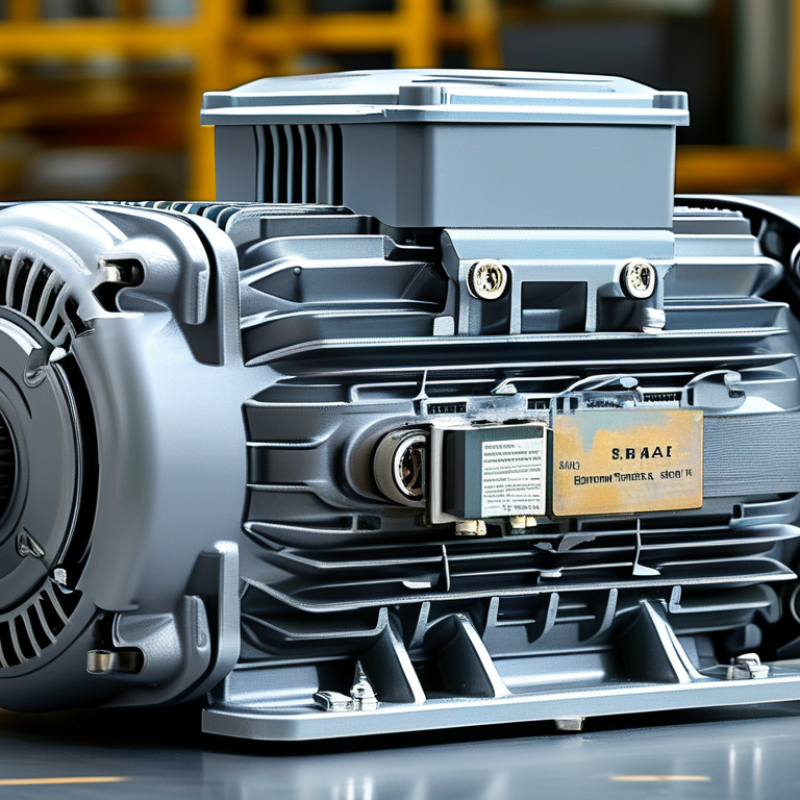
What is a Universal Motor?
A universal motor is a type of electric motor that can operate on both AC and DC power. This flexibility sets it apart from other motors. The design typically includes a series-wound armature, which contributes to its high torque at low speeds. Many appliances use universal motors because they can deliver substantial power in a compact size.
Common applications are found in small household devices. Examples include vacuum cleaners, food processors, and electric shavers. These motors can spin quickly, providing the necessary force for everyday tasks. However, their efficiency can be affected by heat buildup. Continuous use may lead to motor wear. Maintenance is essential to avoid this pitfall.
One notable aspect is noise. Universal motors tend to be louder than other types. This can be a drawback in some applications. Additionally, their lifespan may be shorter compared to induction motors. Users should weigh these factors carefully. Understanding the capabilities and limits of universal motors is vital for optimal performance.
Principle of Operation in Universal Motors
Universal motors are unique electrical devices known for their versatility. The principle of operation behind these motors revolves around their ability to run on both AC and DC power. This feature sets them apart from other types of electric motors. Inside a universal motor, the field windings and armature windings are arranged so that the magnetic fields generated can work in harmony, ensuring smooth operation.
The armature's rotation is a key aspect. When voltage is applied, current flows through the segments of the armature. This generates a magnetic field that interacts with the field windings. The force produced causes the armature to turn. High-speed applications often benefit from this configuration. However, achieving consistent results can be challenging. Motors may face issues like sparking or excessive wear if not maintained properly.
Additionally, the design allows for high starting torque, making them ideal for power tools and household appliances. Yet, users must be mindful of their efficiency and potential noise levels. While universal motors excel in performance, they can be less efficient compared to others in continuous operations. Understanding these nuances is crucial for optimizing their use in various applications.
Advantages of Using Universal Motors
Universal motors are renowned for their versatility and efficiency in various applications. One significant advantage is their ability to operate on both AC and DC power. This characteristic makes them ideal for devices like power tools and household appliances, where a constant torque is crucial. According to a 2023 industry report, universal motors boast an efficiency rate exceeding 80% in many applications. This level of efficiency contributes to lower energy consumption and operating costs.
Another advantage is their compact size and lightweight design. These motors deliver high speeds, often exceeding 20,000 RPM, which is beneficial in applications where speed is critical. This feature is especially useful in hand-held power tools, where portability is essential. However, their high-speed operation can lead to increased wear and tear, potentially resulting in shorter lifespans compared to other motor types. Despite this downside, the balance of utility and efficiency makes universal motors a popular choice across various sectors. Their adaptability continues to influence design choices in modern manufacturing and consumer electronics.
What is a Universal Motor Advantages and Applications?
| Aspect | Details |
| Definition | A universal motor is a type of electric motor that can operate on either AC or DC power. |
| Speed Control | Offers excellent speed control, allowing for efficient operation at various loads. |
| High Torque | Provides high starting torque, making it suitable for various applications requiring quick acceleration. |
| Compact Size | Relatively small and lightweight, ideal for portable devices and appliances. |
| Applications | Commonly used in power tools, kitchen appliances, and cleaning equipment. |
| Efficiency | While they have a good power-to-weight ratio, universal motors can be less efficient than other types of motors at full load. |
| Noise Level | Typically generate more noise than other motor types, which can be a consideration in noise-sensitive applications. |
| Maintenance | Require regular maintenance due to wear on carbon brushes and commutators. |
Common Applications of Universal Motors
Universal motors are versatile devices widely used in various applications. They can operate on both AC and DC power, which makes them popular in household appliances. According to a report by the International Electrotechnical Commission, the demand for universal motors in domestic equipment is projected to grow by 4% annually through 2026. This growth is driven by the increasing reliance on compact and high-speed motors for everyday tools.
Common applications of universal motors include power tools, kitchen appliances, and vacuum cleaners. These motors often provide high torque at startup, which is crucial for devices that require quick and efficient operation. For instance, labor-saving kitchen mixers frequently utilize universal motors due to their ability to manage varying loads effectively. However, it's essential to consider the noise level, as these motors can be noisier than their counterparts, leading to user complaints regarding sound pollution.
In recent years, there has been a push towards energy-efficient designs. Many manufacturers are now focusing on reducing energy consumption while enhancing performance. Nevertheless, achieving this balance consistently remains a challenge. The fluctuating costs of raw materials can impact the production of these motors, affecting availability and pricing in the market. As innovations continue, the universal motor remains at the heart of many devices, though its development must adapt to emerging environmental standards.
Comparative Analysis with Other Motor Types
Universal motors are unique due to their ability to operate at high speeds and provide high torque. They are typically found in devices requiring a lightweight and compact motor, such as power tools and household appliances. When compared to induction motors, universal motors can run on both AC and DC supply. This versatility gives them a significant advantage in applications where space and weight are concerns.
However, universal motors have limitations, particularly in terms of lifespan and efficiency. They typically wear out faster than induction motors due to carbon brush friction. A report by the International Electrotechnical Commission notes that universal motors can lose up to 30% of their efficiency over time, especially in continuous use scenarios. In contrast, induction motors boast longer operational life and superior durability, making them favorable for industrial applications.
Despite their drawbacks, universal motors excel in speed regulation and torque-to-weight ratios. Their ability to reach maximum torque in a compact size is critical in portable tools. According to data from the Electrical & Electronics Association, the demand for universal motors is expected to grow by 5% annually, driven by the expansion of the power tool market. This highlights their ongoing relevance despite the increasing competition from alternative motor types.
Universal Motor Advantages and Applications
This chart displays the advantages and applications of universal motors based on specific performance metrics. The ratings, ranging from 0 to 100%, reflect how well universal motors perform in various categories such as speed, size, versatility, cost, noise level, and power efficiency.
 Skip to content