2026 Top Trends in Plastic Part Manufacturing for Innovative Industries
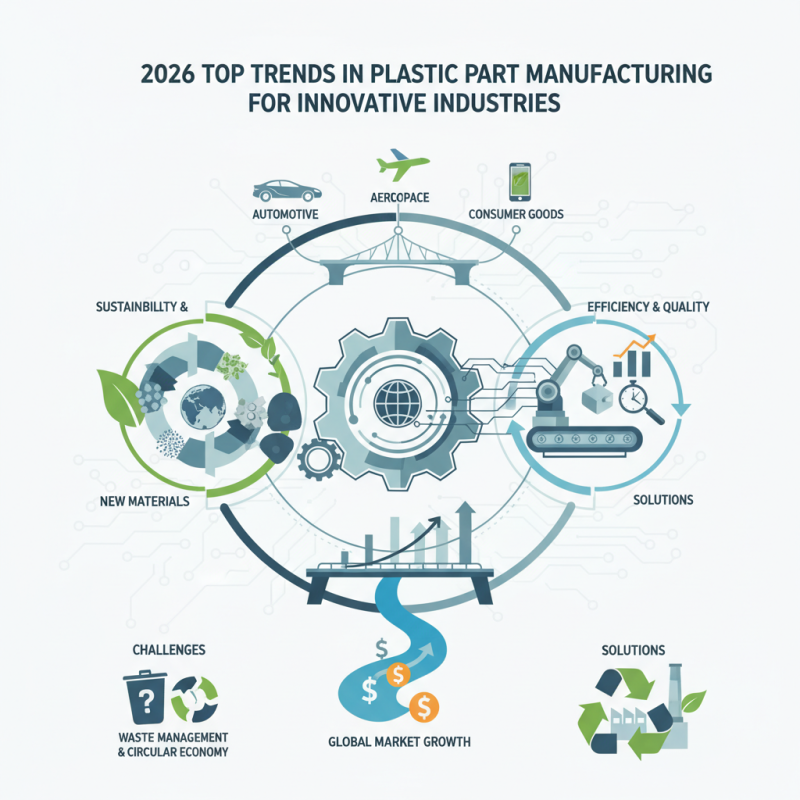
In the evolving landscape of manufacturing, plastic part manufacturing stands at the forefront of innovation. According to a report by Grand View Research, the global plastic injection molding market alone is expected to reach $455 billion by 2027. This growth reflects the increasing demand for lightweight, durable materials across various sectors like automotive, aerospace, and consumer goods.
As industries strive for sustainability, advancements in plastic part manufacturing have emerged. New recycling technologies and bio-based plastics are gaining traction. However, challenges remain. The industry grapples with waste management and the transition to circular economy practices. Experts highlight the need for solutions to minimize plastic waste while meeting production demands.
In this dynamic environment, manufacturers must focus on innovation and quality. The successful integration of advanced manufacturing techniques, such as 3D printing and automation, can drive efficiency. Yet, companies must remain vigilant. Balancing production speed and quality assurance is critical in ensuring reliable products. The trends of 2026 will demand a thoughtful approach from all players in the plastic part manufacturing arena.
Emerging Technologies in Plastic Part Manufacturing for 2026
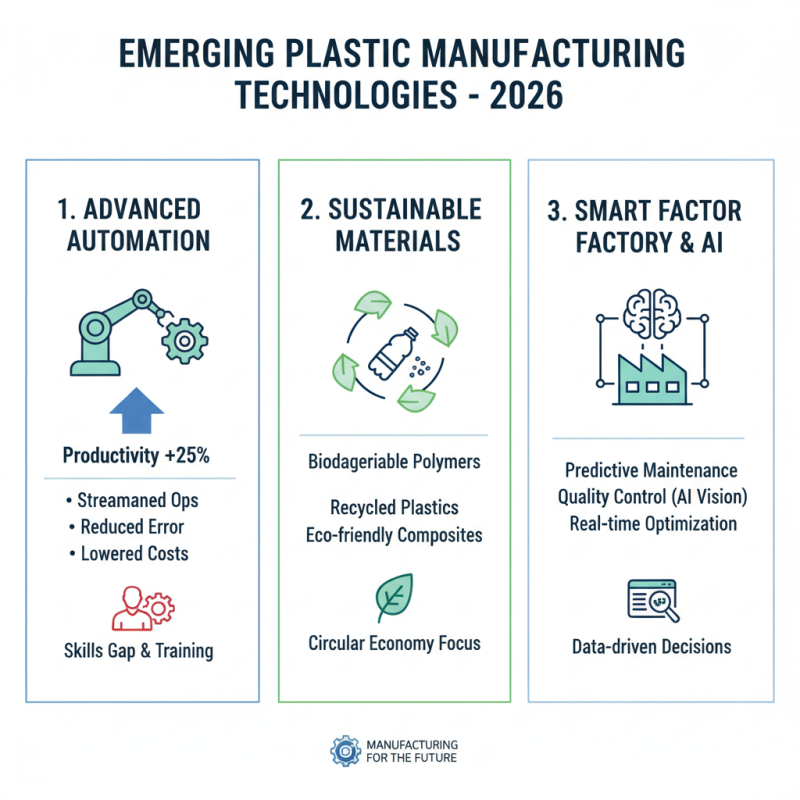
Emerging technologies are set to shape the landscape of plastic part manufacturing significantly in 2026. One major trend is the integration of advanced automation. According to a recent report by the McKinsey Global Institute, automation could elevate productivity levels by up to 25% in manufacturing sectors. Automated systems can streamline operations, reducing human error and lowering costs. However, the transition to fully automated plants poses challenges. Manufacturers must train staff to work alongside these technologies, creating a skills gap that needs addressing.
Another key area of development is the use of sustainable materials. A study by the World Economic Forum highlights that over 80% of plastics could be recycled but only 9% currently are. Innovations in bioplastics and recyclable materials are essential. This shift aims to reduce waste and promote circular manufacturing processes. However, achieving this goal requires substantial investment in R&D. Furthermore, companies may struggle with scaling these new materials without compromising product quality.
Lastly, the emergence of 3D printing technologies is transforming how plastic parts are produced. According to Wohlers Associates, the 3D printing industry is expected to reach $35 billion by 2027. This method allows for customization and rapid prototyping. Yet, standardization and quality assurance remain significant hurdles. Adapting to these technologies could create disparities between early adopters and traditional manufacturers. The evolution of plastic part manufacturing in 2026 will demand both innovation and careful management of these challenges.
Sustainable Practices and Materials in Plastic Production
As the landscape of plastic part manufacturing evolves, sustainable practices are emerging as a priority. According to a report by the American Chemistry Council, about 92% of plastic waste is not recycled. This statistic underscores the urgent need for a shift in production methods. In 2026, industries are increasingly looking towards bio-based materials. These alternatives can significantly reduce the carbon footprint compared to traditional plastics.
Innovative processes like chemical recycling are gaining traction. This method allows for the breakdown of plastics into their original molecules, making it easier to reuse them. A study from the Ellen MacArthur Foundation indicates that enhancing recycling rates could lead to a potential reduction of greenhouse gas emissions by up to 25%. Manufacturers must innovate, yet they often face challenges with cost and technology limitations. Many facilities struggle to implement these solutions effectively.
Moreover, consumer demand is shifting towards more sustainable options. Brands that prioritize eco-friendly practices are building stronger connections with their audience. However, the transition to sustainable materials is not without its hurdles. Industrial standards and regulations are still catching up. As manufacturers push boundaries, it is crucial to remain mindful of the economic implications tied to these changes.
Customization and Flexibility in Manufacturing Processes
Customization is emerging as a crucial trend in plastic part manufacturing.
Innovative industries are shifting from mass production to tailored solutions. This change stems from a growing demand for products that meet specific consumer needs.
According to a report by MarketsandMarkets, the global custom plastic parts market is expected to reach $20.73 billion by 2025, growing at a CAGR of 6.2%.
Flexibility in manufacturing processes is key to achieving customization. Technologies like additive manufacturing and injection molding are evolving.
They allow for rapid prototyping and quick adjustments in designs. However, this flexibility can be a double-edged sword. Not all manufacturers adapt equally;
some struggle with the transition, which may lead to inefficiencies.
Tip: Embrace digital tools. Utilize software that streamlines design changes. This can help your team respond faster to market demands. Regular training is essential to avoid common pitfalls in flexible manufacturing.
Balancing customization with operational efficiency is a notable challenge. Companies need to invest in robust supply chain management.
The integration of IoT and automation can enhance production processes. Yet, organizations must remain vigilant.
Over-customization can lead to increased costs and extended lead times. Think carefully about how much customization is truly beneficial.
Advancements in Automation and Robotics for Plastic Parts
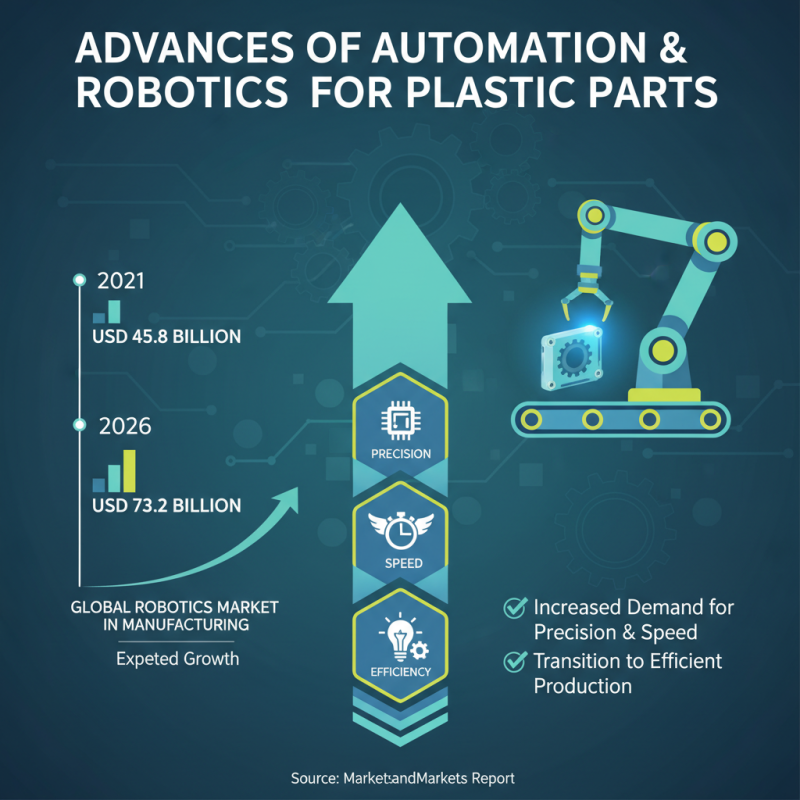
The plastic parts manufacturing industry is witnessing notable advancements in automation and robotics. With the increasing demand for precision and speed, companies are investing heavily in these technologies. According to a report by MarketsandMarkets, the global robotics market in manufacturing is expected to grow from USD 45.8 billion in 2021 to USD 73.2 billion by 2026. This growth highlights the industry's transition towards more efficient production methods.
Automation technologies are streamlining operations and reducing errors. Robots equipped with AI can perform tasks with remarkable precision, minimizing waste and enhancing quality. For instance, manufacturers are employing robotic arms for tasks such as injection molding and assembly. These robots can work tirelessly, allowing for 24/7 production cycles that significantly boost output.
Tip: Incorporate predictive maintenance with your robotic systems. This can reduce downtimes and improve overall efficiency.
Not all implementations of automation yield immediate success. Some companies struggle with integrating new technologies into their existing workflows. Retraining employees and adjusting to new systems can be challenging. Continuous evaluation and support are essential for a successful transition.
Tip: Foster a culture of adaptability within your workforce. Encourage feedback to refine automation approaches regularly.
Trends in Design and Engineering for Innovative Plastic Solutions
The landscape of plastic part manufacturing is rapidly evolving. Designers and engineers are now exploring innovative solutions to meet various industry demands. One major trend is the shift towards sustainability in materials. Biodegradable plastics are gaining traction. Engineers must ensure these materials maintain durability while reducing environmental impact.
Another trend is the rise of advanced manufacturing techniques. Technologies such as 3D printing enable rapid prototyping and customization. However, challenges remain in achieving consistent quality across different production methods. There is a constant push for improved finishes and intricate designs that meet aesthetic and functional needs.
Collaboration is vital in this evolving field. Engineers need to work closely with material scientists and designers to innovate effectively. Communication often falters, leading to misunderstandings about design priorities. This gap can result in unsuccessful products that fail to meet market expectations. Embracing feedback loops can enhance the design process, fostering a culture of continuous improvement and innovation.
2026 Top Trends in Plastic Part Manufacturing
This chart illustrates the predicted growth in various innovative trends in plastic part manufacturing by 2026. The trends highlighted include Sustainable Materials, Advanced Injection Molding Techniques, 3D Printing and Additive Manufacturing, Smart Manufacturing, and Biodegradable Plastics.
 Skip to content