
Skip to content

China Best RMU Electrical Panel Manufacturers and Suppliers

China’s role in electrical equipment manufacturing is drawing wider attention as utilities modernize networks and connect more renewable generation. The International Energy Agency’s 2023 report, Electricity Grids and Secure Energy Transitions, says annual grid investment needs to rise above US$600 billion by 2030. That figure is global, not specific to ring main units, but it signals the scale of pressure on distribution infrastructure. Reliability matters.

A Rmu Electrical Panel helps manage medium-voltage distribution in compact substations, industrial sites, and commercial buildings. Choosing a manufacturer is not just a price comparison. Buyers should check rated voltage, short-circuit withstand capability, insulation design, routine and type-test documentation, and compliance with applicable IEC standards, including IEC 62271-200 where relevant. Ask how suppliers control assembly quality and provide spare parts, commissioning guidance, and after-sales support. A neat brochure is not enough.

Chinese manufacturers and suppliers vary in engineering depth, export experience, and service coverage. Request test certificates tied to the offered configuration, not merely a similar product family. Confirm enclosure dimensions, cable entry, operating conditions, and maintenance access against the actual site layout. These details can prevent awkward surprises during installation. Yet documents cannot reveal every field issue; references from comparable projects and a clear factory-inspection plan add useful evidence. This guide introduces China-based suppliers and practical checks for comparing their Rmu Electrical Panel offerings, while recognizing that the right choice depends on project conditions, not country of origin alone.
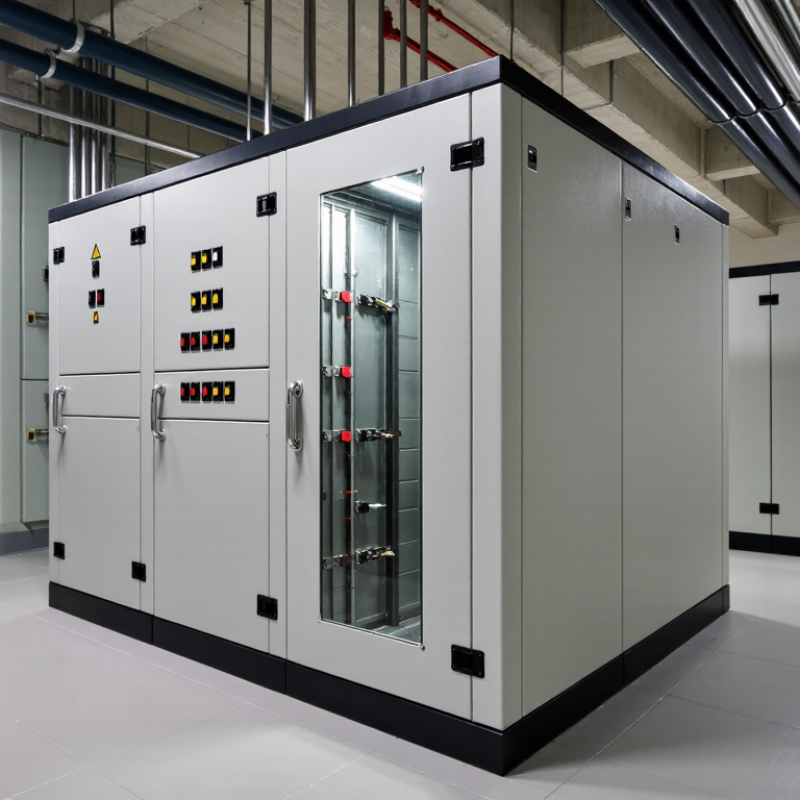
China Best RMU Electrical Panel Manufacturers and Suppliers

What Is an RMU Electrical Panel?

What Is an RMU Electrical Panel?

An RMU, or ring main unit, is compact medium-voltage switchgear used to distribute electricity through a ring network. It typically combines load-break switches, circuit breakers or fuses, and earthing switches inside a metal enclosure. Operators can isolate a cable section or transformer feeder while other parts of the ring remain energized, depending on the network design. That is the practical value: a fault does not always require a wider outage.

IEC 62271-200 covers metal-enclosed switchgear for alternating-current systems above 1 kV and up to 52 kV. An RMU’s actual functions depend on its configuration, protection settings, and rated voltage—not simply its enclosure. Check the single-line diagram, short-circuit rating, and operating sequence before specifying one. Small details matter.

The International Energy Agency’s 2023 report, Electricity Grids and Secure Energy Transitions, says annual grid investment needs to rise from about USD 300 billion to over USD 600 billion by 2030. The figure describes grid investment overall, not RMUs specifically, but it highlights the pressure to modernize distribution networks. In the field, access for cable termination and clear position indicators can matter as much as a compact footprint. A sealed unit still needs appropriate inspection and maintenance. And selection can be imperfect: site conditions and operating habits are sometimes harder to predict than the datasheet suggests.

What Is an RMU Electrical Panel? Common Rated Voltage Classes

A Ring Main Unit (RMU) is compact medium-voltage switchgear used to connect and distribute electricity in ring-type networks. It typically combines switching and protection functions in a metal-enclosed assembly.

The chart shows common rated-voltage classes for medium-voltage switchgear used in RMU applications. The appropriate rating depends on the network’s operating voltage and project requirements.

Key Components and Operating Principles of RMU Panels

An RMU panel brings several medium-voltage switching functions into one compact, enclosed assembly. Its main components usually include busbars, load-break switches, a circuit breaker, and an earthing switch. Cable terminations connect incoming and outgoing feeders. Current transformers and protection relays monitor electrical conditions and help detect faults. Small, but carefully arranged.

The load-break switch opens or closes a feeder during normal operating conditions. A circuit breaker can interrupt fault current when its protection system detects an abnormal event. The earthing switch connects an isolated circuit to earth, helping reduce residual electrical risk during maintenance. Mechanical or electrical interlocks help prevent unsafe switching sequences. They are not a substitute for trained procedures.

In a ring network, power can reach a distribution point from either direction. If a cable section develops a fault, operators can isolate that section and restore supply through the alternate path, where the network design allows. Clear position indicators matter; a handle’s position alone may not tell the whole story. Panel diagrams and site labels can also differ in detail, so technicians should verify the actual cable arrangement before switching. Small discrepancies are worth checking.

China Best RMU Electrical Panel Manufacturers and Suppliers - Key Components and Operating Principles of RMU Panels

Component or parameter Typical role or specification Operating principle Practical selection notes
Ring main unit (RMU) Compact medium-voltage switchgear used to connect, protect, and isolate sections of a distribution network, commonly in ring or radial arrangements. Switching ways connect incoming and outgoing feeders; a transformer protection way controls and protects the transformer feeder. Confirm network topology, rated voltage, fault level, installation environment, and utility requirements before specifying a unit.
Busbars and internal connections Conductive paths, commonly copper or aluminium, that distribute power between functional units. Carry normal load current and withstand specified short-time and peak currents when correctly rated. Check continuous-current and short-circuit withstand ratings against the system study and installation conditions.
Load-break switch Commonly used on ring feeder ways for switching normal load current; its short-circuit making capability depends on the design and rating. Opens or closes the feeder under specified operating conditions. It is not a substitute for a circuit breaker where fault-current interruption is required. Review the rated current, making capacity, switching duty, and the protection scheme for the connected feeder.
Vacuum circuit breaker Used in many RMUs for circuit-breaker feeder or transformer protection functions. Separating contacts create an arc in a vacuum interrupter; the arc is extinguished as current passes through zero. Verify rated breaking current, operating sequence, relay compatibility, and the required maintenance regime.
Fuse-switch combination A common transformer protection arrangement combining a switch with high-voltage current-limiting fuses. A fuse interrupts sufficiently high fault current; the switch provides normal switching and, depending on design, may trip all phases after a fuse operates. Select fuse ratings and characteristics to coordinate with transformer inrush, transformer protection, and upstream protection.
Earthing switch Connects an isolated circuit section to earth for safe maintenance procedures. When closed, it grounds the designated circuit section. Some designs provide a rated short-circuit making capacity. Use the prescribed isolation, proving-dead, and earthing procedure; interlocks do not replace safe working practices.
Interlocks and operating mechanism Mechanical and, where fitted, electrical devices that control access and switching sequences. Prevent specified conflicting operations, such as closing an earthing switch while the associated circuit is in a prohibited state. Check the interlock scheme, padlocking provisions, operating access, and maintenance instructions for the selected configuration.
Insulation system and enclosure May use gas insulation, solid insulation, or air-insulated compartments, depending on the RMU design. Insulation separates live parts from earth and between phases; enclosure design helps protect equipment and personnel. Confirm insulation technology, pressure or condition monitoring needs where applicable, indoor/outdoor suitability, and required ingress protection.
Voltage rating RMUs are available for various medium-voltage systems; equipment rated up to 36 kV is common in this product category. The rated voltage and insulation levels define the electrical conditions the switchgear is designed to withstand. Choose a rating suitable for the system’s highest voltage and applicable insulation requirements; availability varies by design and market.
Protection and indication May include protection relays, current or voltage sensors, fault passage indicators, and voltage presence indication. Sensors and relays detect defined electrical conditions and initiate a trip or indication according to the configured protection logic. Coordinate settings and instrument interfaces with the network protection study; confirm auxiliary power and communications requirements.
Applicable standards Relevant IEC standards may include IEC 62271-200 for AC metal-enclosed switchgear above 1 kV and up to 52 kV, with other IEC 62271 parts applicable to particular switching devices. Standards specify requirements and test methods for equipment characteristics, operation, and verification. Confirm the current applicable editions, local regulations, and project-specific testing and documentation requirements.

Note: Ratings, configurations, and available features vary by design and application. Always verify equipment data and operating procedures against the manufacturer’s technical documentation and the project specification.

Common Applications of RMU Panels in Power Distribution

Ring main units (RMUs) are commonly used in medium-voltage distribution networks. Utilities install them in urban streets, underground substations, and compact service rooms. In a ring network, an RMU can isolate a cable section while allowing supply from another direction, if the network is designed for that arrangement. This helps limit the area affected by a fault. Compact equipment matters. It can fit where a full-size switchboard would be impractical.

Commercial buildings use RMUs to distribute power to separate transformers or building zones. Hospitals, campuses, and shopping centers may use them to support reliable supply to critical loads. Industrial sites also use RMUs near production areas, where operators need to isolate equipment for maintenance. Cable entry, ventilation, access clearance, and protection settings should match the site conditions. A tidy equipment room is useful, but not enough.

RMUs can also serve solar and wind power sites, connecting sections of a medium-voltage collection network. Their suitability depends on voltage, fault levels, switching needs, and the local environment. Dust, moisture, temperature, and available maintenance access all matter. One detail is easy to underestimate: a ring arrangement does not guarantee uninterrupted power. The alternate path must have enough capacity, and operating procedures must be clear. A drawing may look simple; the real installation often is not.

How to Evaluate RMU Panel Manufacturers and Suppliers in China

When evaluating RMU panel manufacturers and suppliers in China, start with the project specification, not a catalogue. Check rated voltage, current, short-circuit withstand, and enclosure requirements against the actual site conditions. Ask for relevant type-test reports and confirm that the tested configuration matches the proposed panel. A similar-looking unit may use different switching components or insulation.

Look closer. Request drawings, bills of materials, routine-test procedures, and clear explanations of how each unit is identified and traced. During a factory visit, observe assembly quality, cable compartment access, interlock operation, and final inspection records. Ask whether factory acceptance testing can include dielectric withstand and mechanical operation checks. A neat brochure is not enough. Verify the supplier’s role, production capacity, quality controls, and ability to provide spare parts and technical support after delivery. Check applicable IEC requirements against the project specification rather than assuming one certificate covers every configuration.

Compare lead times, warranty terms, and change-control procedures in writing. Ask how design changes are approved and communicated. Some details may remain difficult to judge from documents alone, so an independent technical review can help. No checklist catches everything; even a well-run visit offers only a snapshot of production.

Factors to Consider When Selecting an RMU Supplier

China Best RMU Electrical Panel Manufacturers and Suppliers

Factors to Consider When Selecting an RMU Supplier

Selecting an RMU supplier starts with matching equipment ratings to the site. Check rated voltage, continuous current, and short-circuit withstand against the project specification. Ask how the unit performs in the expected temperature, humidity, and altitude. A coastal installation may also need stronger corrosion protection. Small details matter.

Review test evidence, not just product brochures. Request type-test and routine-test records for the proposed configuration, including its switching and insulation arrangements. Confirm that drawings show cable entry direction, terminal spacing, and operating access. These details can prevent costly changes after delivery. A neat brochure is not proof.

Supplier support matters after installation, too. Ask about spare-part availability, commissioning guidance, and response times for technical questions. Check that manuals clearly explain interlocking and maintenance procedures. If the project has unusual site limits, share them early and request written confirmation. Even careful reviews can miss something; a cable bend radius is easy to overlook until the panel is in place. Compare quotations by scope, documentation, and service, not price alone.

Scroll To Top