
Skip to content

Top Metal Pill Container Suppliers for Global Buyers?

Global buyers need more than a polished supplier list when selecting a Metal Pill Container. They need dependable materials, consistent dimensions, and clear manufacturing evidence. A container may look excellent online, yet its lid can loosen during transport. Small details matter. Thread precision, interior coating, hinge strength, and surface finishing all influence customer experience. Experienced buyers should request samples before approving large orders. They should also compare batch records, factory capabilities, testing procedures, and production lead times. Supplier communication is equally important, especially when specifications change.

Packaging sustainability expert Helen Lewis has said, “There is no such thing as a sustainable package, only more or less sustainable packaging systems.” Her observation encourages buyers to examine the complete product lifecycle. Metal offers durability, recyclability, and a premium tactile feel. However, coatings, mixed materials, excess weight, and unnecessary inserts can reduce its environmental advantages. The strongest suppliers explain these trade-offs instead of making vague claims. They provide practical information about material grades, recyclable components, quality inspections, and responsible production practices. Certification can help, but it should not replace direct verification. A certificate may be current, incomplete, or misunderstood.

This guide reviews leading Metal Pill Container suppliers for international buyers. It considers product quality, customization, manufacturing experience, communication, and delivery reliability. It also highlights weaknesses where available. No supplier is perfect. That is worth remembering. A low price may hide longer development time or inconsistent finishing. A premium quotation may still lack useful documentation. Careful comparison creates a clearer path toward a safe, durable, and commercially suitable container.
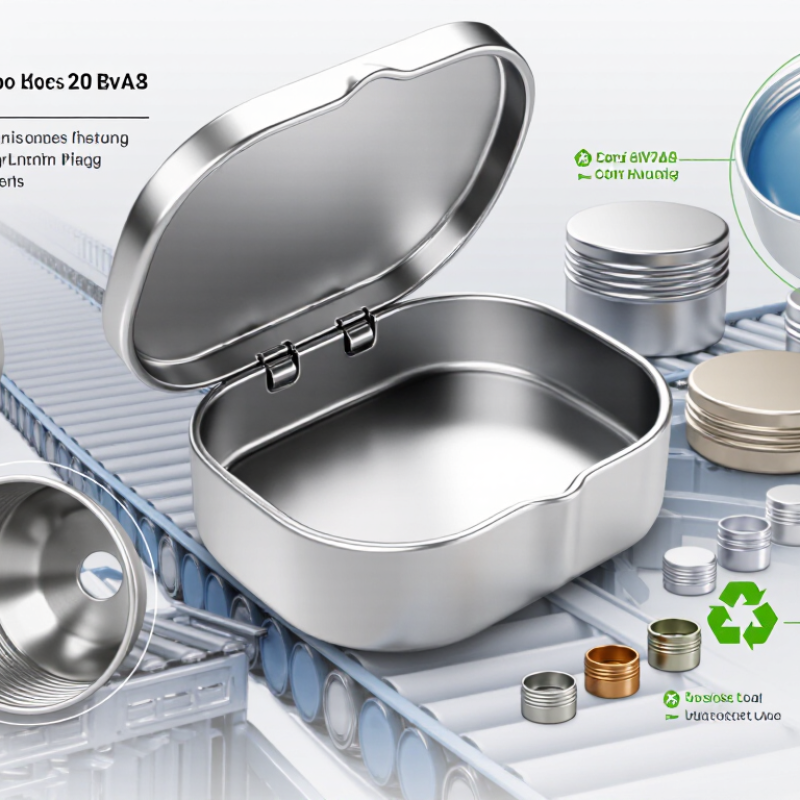
Top Metal Pill Container Suppliers for Global Buyers?

Understanding Metal Pill Containers and Their Global Uses

Metal pill containers combine portability, protection, and a familiar tactile experience. Their main purpose is to hold tablets or capsules in a clean, organized space. A rigid steel or aluminum wall can resist crushing inside a handbag or travel case. It also limits exposure to dust, light, and accidental pressure. However, metal does not automatically provide complete moisture protection. The lid design and inner seal matter greatly.

Global buyers should match the container with its intended environment. Travelers may prefer compact tins with rounded edges and secure snap closures. Pharmacies and wellness suppliers often need larger sizes, clear labeling areas, and consistent internal dimensions. Clinics may value easy opening, smooth seams, and surfaces that can be cleaned efficiently.

During supplier checks, inspect coating quality, hinge alignment, odor, and sharp edges. Small defects become costly when thousands of units arrive.

Material documentation and production samples deserve close attention. Food-contact or healthcare-related applications may require specific testing records in the destination market. Packaging should also protect containers from scratches during long-distance shipping. A sample that looks perfect on a desk may fail after repeated opening, drops, or humid storage. I would not treat one approved sample as final proof. Batch consistency needs review. Color variation can occur. That detail is easy to overlook. Reliable suppliers communicate tolerances, inspection methods, and lead times clearly, helping buyers choose containers suited to real global use rather than attractive photographs.

Key Criteria for Evaluating Metal Pill Container Suppliers

Choosing metal pill container suppliers requires more than comparing unit prices. Grand View Research valued the global metal packaging market at approximately USD 142.4 billion in 2023, with continued annual growth projected through 2030. This expansion increases supplier options, but also makes verification harder. Buyers should request alloy specifications, coating composition, wall thickness, closure torque, and corrosion-test results. The container should feel rigid, close evenly, and leave no sharp rim after opening.

Compliance evidence matters. ISO 15378 provides good manufacturing practice requirements for primary packaging used with medicinal products. Suppliers should show controlled production records, batch traceability, and documented cleaning procedures. For metal contact materials, buyers can also review applicable USP packaging tests, including chemical resistance and extractables data. Independent laboratory reports are stronger than internal claims. A supplier offering only a glossy sample is not enough.

Use practical checks before approval. Test filled containers through drop cycles, vibration, humidity exposure, and repeated opening. Measure dimensions from several production batches, not one hand-picked sample. The 2024 Global Pharmaceutical Packaging Market analysis by Smithers highlights growing demand for quality assurance and supply-chain resilience, yet small suppliers may still lack backup tooling or secondary metal sources. That risk is easy to overlook. I would also compare minimum order quantities, lead times, inspection rights, and corrective-action speed. No audit is perfect. A quiet factory visit can still miss process drift.

Major Supplier Types and Regional Sourcing Options

Global buyers usually choose among four supplier types: stock distributors, custom metal fabricators, contract packagers, and vertically integrated manufacturers. Stock distributors suit standard tins and small trial orders. Custom fabricators offer deeper bodies, embossed lids, and tailored coatings. Contract packagers can coordinate containers, labels, and assembly, but their margins may be less visible.

Regional sourcing changes the risk profile. East and South Asian suppliers often provide broad tooling capacity and competitive unit costs. European and Turkish producers may offer shorter documentation paths for buyers serving nearby regulated markets. North American and Mexican suppliers can reduce transit time for regional distribution. The U.S. Geological Survey reported about 72 million metric tons of primary aluminum production worldwide in 2024. The World Steel Association recorded roughly 1.88 billion tonnes of crude steel production in 2023. These figures support material availability, but they do not guarantee suitable pharmaceutical-grade finishing.

Tips: Request coating migration data, dimensional tolerances, material certificates, and a recent production sample. Ask whether the quoted price includes tooling, inspection, inner liners, and export packaging. Confirm pallet quantities before comparing unit prices. In practice, a cheaper factory can become expensive after mold revisions and port delays. I have seen buyers focus too heavily on price. That is not always wise. A modestly higher quote may reflect better testing, traceability, or regional inventory. Check ISO 9001 systems, batch records, closure fit, and corrosion resistance before approving a long-term supplier.

Top Metal Pill Container Suppliers for Global Buyers? - Major Supplier Types and Regional Sourcing Options
Supplier Type Typical Sourcing Regions Common Container Materials Manufacturing Strengths Typical Order Volume Indicative Production Lead Time Common Compliance Documents Best Fit for Global Buyers
Integrated metal packaging manufacturers East Asia, South Asia, Western Europe, North America Electrolytic tinplate, tin-free steel, aluminum, stainless steel Deep drawing, stamping, seaming, coating, printing, and large-scale quality control Usually 10,000–100,000+ units per design Approximately 30–60 days after artwork and specifications are approved Material certificates, food-contact declarations where applicable, coating declarations, inspection reports, and packing specifications High-volume pharmaceutical, nutraceutical, confectionery, and personal-care packaging programs
Specialized metal tube and small-container producers East Asia, Central Europe, South Asia Aluminum, tinplate, and laminated metal structures Impact extrusion, collapsible tubes, screw-cap integration, and small-format container production Usually 5,000–50,000 units per size Approximately 25–50 days for standard formats Dimensional inspection reports, coating information, closure specifications, and applicable product-safety declarations Small-dose products, ointments, specialty supplements, travel packs, and promotional formats
Pharmaceutical packaging specialists Western Europe, North America, Japan, South Korea, India Aluminum, tinplate, stainless steel, and coated steel Controlled production environments, tamper-evident closures, tight dimensional tolerances, and traceability systems Often 10,000–100,000 units, depending on validation requirements Approximately 45–90 days, including qualification or validation activities Batch traceability, material certificates, extractables or migration information where relevant, quality agreements, and change-control records Regulated medicines, clinical-trial packaging, and products requiring documented supply-chain control
Custom promotional and gift-packaging manufacturers East Asia, Eastern Europe, Mexico, Turkey Tinplate, aluminum, and printed steel Custom shapes, embossing, lithographic printing, decorative finishes, and short-run tooling support Commonly 1,000–20,000 units per artwork or shape Approximately 30–60 days, including tooling and sample approval Artwork proofs, color approvals, material declarations, packaging test reports, and pre-production samples Brand-neutral promotional programs, seasonal kits, retail gift sets, and limited editions
Precision stainless-steel container fabricators Western Europe, North America, Japan, South Korea Stainless steel grades commonly include 304 and 316, subject to application requirements Machined or formed components, reusable construction, corrosion resistance, and premium surface finishing Commonly 500–10,000 units for custom projects Approximately 40–90 days, depending on tooling and finishing Material grade certificates, surface-finish specifications, dimensional reports, and cleaning or passivation records where applicable Reusable premium containers, specialty supplements, industrial sampling, and long-life packaging applications
Aluminum impact-extrusion manufacturers East Asia, Western Europe, India, North America Aluminum alloys selected for forming, wall thickness, and corrosion-performance requirements Seamless bodies, lightweight construction, threaded necks, internal coatings, and high-speed forming Usually 10,000–100,000+ units per specification Approximately 30–60 days after tooling and decoration approval Alloy certificates, coating declarations, dimensional reports, closure tests, and applicable food- or pharmaceutical-contact documentation Lightweight tablet containers, personal-care packaging, and applications requiring high recyclability potential
Regional contract packaging and assembly suppliers North America, Western Europe, Southeast Asia, Australia Customer-specified tinplate, aluminum, or stainless steel components Container sourcing, filling coordination, labeling, kitting, secondary packaging, and regional distribution Often 5,000–50,000 finished units per production run Approximately 20–60 days after components and formulas are available Packaging specifications, batch records, supplier approvals, filling records, and market-specific labeling documentation Buyers seeking local filling, shorter distribution routes, and lower finished-goods complexity
Trading and export-oriented sourcing companies China, India, Vietnam, Turkey, Poland, Mexico Tinplate, aluminum, stainless steel, and coated steel sourced from multiple factories Supplier consolidation, multilingual communication, inspection coordination, mixed-order handling, and export documentation Commonly 1,000–50,000 units, depending on factory allocation Approximately 35–75 days, including supplier coordination and freight preparation Commercial invoices, packing lists, certificates of origin, inspection reports, and product-specific material declarations Small and mid-sized importers comparing several factories or combining multiple container formats in one shipment
Domestic or nearshore metal packaging suppliers United States and Canada; European Union and United Kingdom; Mexico; Southeast Asia Locally available tinplate, aluminum, stainless steel, and coated steel Shorter replenishment cycles, easier sampling, local technical support, and simplified communication Often 1,000–25,000 units, with higher volumes available for standard designs Approximately 15–45 days for standard products Local regulatory declarations, material certificates, quality records, and transport documentation Buyers prioritizing shorter lead times, lower communication risk, and more frequent replenishment
Sustainable-material and recycled-content specialists Western Europe, North America, Japan, Australia, selected East Asian markets Recycled-content aluminum, recycled steel, and recyclable metal structures Material-content documentation, lightweighting, mono-material design, and recycling-oriented packaging development Typically 10,000–100,000 units, depending on material availability Approximately 40–90 days when recycled-content verification is required Recycled-content evidence, chain-of-custody records where applicable, material declarations, and packaging environmental data Buyers with documented sustainability targets or retailer requirements for recyclable metal packaging
Note: Order volumes and lead times are typical market ranges for planning purposes. Actual requirements vary by container size, tooling, decoration, closure design, testing, regulatory market, and shipping method.

Quality Standards, Compliance, and Customization Requirements

Global buyers should evaluate metal pill container suppliers through documented quality systems, not attractive samples alone. The IQVIA Institute’s Global Use of Medicines 2024 report forecasts worldwide medicine spending near $2.3 trillion by 2028. That scale increases pressure on packaging consistency, traceability, and delivery reliability. A qualified supplier should provide alloy certificates, coating specifications, batch records, and controlled inspection procedures.

For pharmaceutical contact, ISO 15378 alignment is valuable because it addresses primary packaging quality systems. ISO 9001 supports broader process control, but it does not replace product-specific testing.

Ask for migration, extractables, corrosion, coating adhesion, and closure-leak results. Test methods should match the final tablet, humidity, and storage period.

Tiny details matter. A lid that loosens after repeated opening can damage user confidence. Customization may include aluminum or tin-plated steel, internal coatings, embossed markings, desiccant compatibility, and child-resistant closures. Each change needs documented validation.

The Smithers pharmaceutical packaging outlook identifies compliance, traceability, and material performance as continuing purchasing priorities.

However, a certificate is not proof of every batch. Suppliers should explain sampling plans, laboratory qualifications, nonconformance handling, and corrective-action timelines.

In practice, buyers sometimes overvalue color matching and underestimate torque variation. That deserves review.

A realistic supplier audit should inspect production floors, retain samples, calibration records, and shipment-protection methods before approval.

Pricing, Minimum Orders, Shipping, and Supplier Selection

Global buyers should compare metal pill container suppliers beyond the quoted unit price. Metal thickness, coating quality, lid fit, and printing options can change the final cost. Request a tiered quote for 500, 2,000, and 10,000 pieces. Ask whether samples, tooling, and packaging are included. A low price may exclude inner trays or protective wrapping. That detail matters.

Minimum order quantities vary by size and customization. Confirm the container diameter, height, capacity, and closure before approving production. Shipping quotes should show carton dimensions, gross weight, lead time, and delivery terms. Compare door-to-door costs, not freight alone. Request product specifications and quality records. During supplier checks, review sample consistency and reply speed. My earlier mistake was focusing too heavily on price. A cheaper shipment created more inspection work later.

Tips: Start with a small trial order when possible. Check ten random pieces from the sample batch. Ask for production photos before shipment. Keep every specification in writing. Confirm the payment schedule and replacement policy. Leave time for customs clearance and unexpected delays. Supplier selection is rarely perfect. A clear checklist makes weak assumptions visible.

Top Metal Pill Container Suppliers for Global Buyers

This benchmark shows typical FOB unit-price ranges for standard metal pill containers at different order volumes. Larger orders generally reduce tooling, setup, and production costs per unit.

Typical MOQ
500–1,000 units for standard designs
Production Lead Time
20–45 days after artwork approval
Shipping Planning
Sea freight is usually more economical for bulk orders

Prices are indicative planning benchmarks for standard-size containers with basic finishes. Final quotations vary according to dimensions, metal thickness, printing, custom tooling, packaging, destination, and Incoterms.

Scroll To Top