Skip to contentPlastic caps and closures are small components with outsized influence on packaging performance. They help protect product integrity, support convenient opening, and affect whether a package can be sorted and recycled. Grand View Research estimated the global plastic caps and closures market at approximately US$57.7 billion in 2023, with continued growth projected through 2030. Forecasts are not guarantees. Market estimates also vary by scope and methodology.
China is a major sourcing destination for buyers seeking mold-making capability, high-volume production, and a broad choice of closure formats. But a polished sample tells only part of the story. Buyers should also examine dimensional consistency, liner or seal performance, material specifications, and quality-control records. A cap that fits one bottle neck may fail on another. Small tolerances matter.
Circular design matters, too. Ellen MacArthur, founder of the Ellen MacArthur Foundation, describes a circular economy as “based on the principles of designing out waste and pollution, keeping products and materials in use, and regenerating natural systems.” That idea is relevant to closure choices, though no single cap design solves packaging waste. This guide to China’s manufacturers will compare capabilities, product ranges, and practical sourcing considerations. It will also flag what public company information cannot prove. Real factory performance still needs verification.
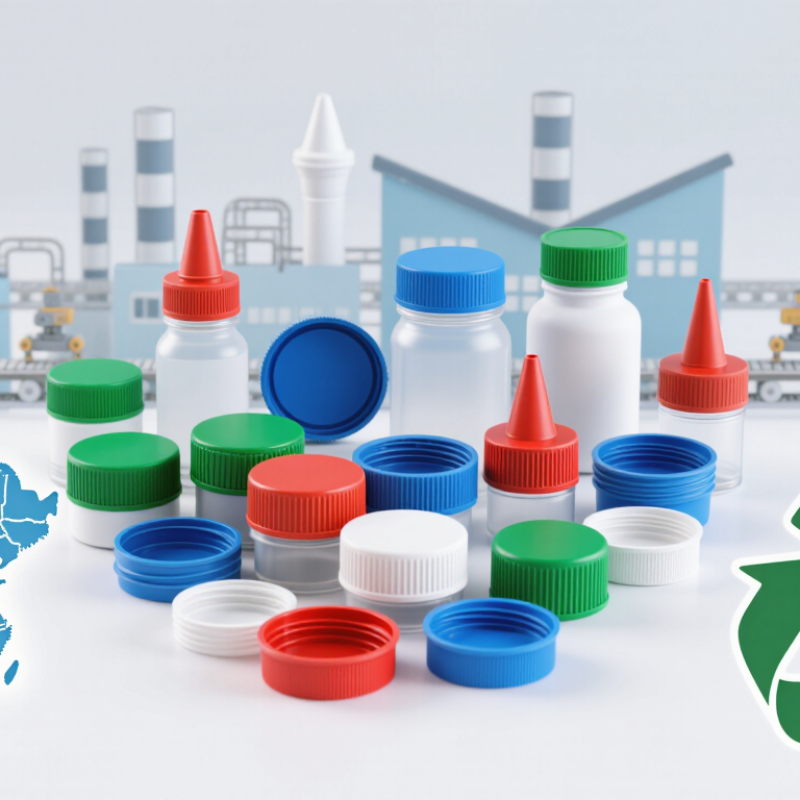
China’s plastic caps and closures industry serves beverage, food, personal-care, and household-product markets. Manufacturers range from specialized workshops to large integrated plants. Common products include screw caps, flip-top closures, dispensing tops, and tamper-evident designs. Production often combines injection or compression molding with color control and in-line inspection. Small details matter. A closure must match the container neck, open predictably, and help protect contents during storage and transport. Buyers often check resin consistency, sealing performance, dimensional tolerances, and production records before approving a supplier.
China’s broad plastics-processing base supports varied tooling and packaging supply chains, but capabilities differ between factories. Testing samples on actual filling lines can reveal leaks, loose threads, or awkward opening forces. Lighter closures may use less resin, yet they can be harder to grip or seal reliably. Recycled content and recyclable designs are gaining attention, though material suitability and local recycling systems can complicate adoption. One issue deserves more scrutiny: performance claims are not always measured in the same way. Clear specifications and repeatable quality checks make supplier comparisons more meaningful.
Annual output of plastic products in China, 2021–2023 (million tonnes)
China’s overall plastic-products output declined over this period. These figures provide wider manufacturing context for the caps and closures sector; they are not specific to caps or closures. Source: National Bureau of Statistics of China.
A plastic closure begins with the container, not the mold. Designers match thread geometry, neck finish, and sealing surface to the bottle. They also choose resin: polypropylene often suits rigid caps, while polyethylene offers flexibility. Small parts matter. A tamper-evident band must separate cleanly without making opening difficult.
Manufacturing commonly uses injection or compression molding. Engineers refine gate locations, cooling channels, and cavity pressure to limit warping and uneven walls. On the line, samples are checked for application torque, leakage, and band breakage. A cap can look precise and still fail on a fast filling line. That gap deserves more attention than it often receives.
Material choices also affect recovery after use. The OECD’s 2022 Global Plastics Outlook estimates that only 9% of global plastic waste was recycled in 2019. That figure makes simpler, compatible designs worth considering. Where practical, designers can reduce mixed materials and avoid unnecessary components, while testing seal performance under real handling conditions. The trade-off is not always neat: thinner walls save resin, but may reduce stiffness or sealing consistency. Good design depends on measuring both.
China’s leading plastic caps and closures manufacturers support packaging needs across beverage, food, personal care, and household products. Their work involves more than molding a lid. Material selection, thread design, sealing liners, and filling-line compatibility all affect performance. A cap that looks correct may still leak or loosen during transport.
Experienced manufacturers typically assess drawings, samples, and operating conditions before recommending a design. Buyers can ask about resin options, dimensional checks, tamper-evident features, and testing for opening torque or leakage. Fit matters. A small change to the neck finish can cause trouble on a fast production line. Clear specifications make discussions more useful, especially when color, weight, and closure force must remain consistent across orders.
Factory visits and sample trials can help buyers judge process control, but one successful sample is not enough. Ask how inspection records are maintained and how defects are handled. Packaging environments differ, and a cap tested with one bottle may behave differently with another. That part is easy to overlook. A practical supplier should explain limitations as well as capabilities, then provide samples for testing under the buyer’s actual filling and storage conditions.
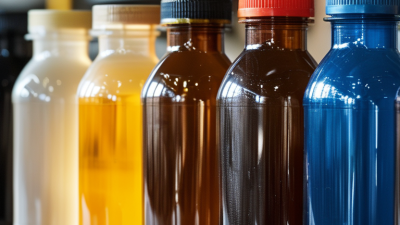
Plastic caps and closures are small parts with demanding jobs. Common products include screw caps for water and cooking-oil bottles, flip-top closures for sauces, and dispensing pumps for personal-care products. Beverage caps often use polypropylene (PP) or high-density polyethylene (HDPE), valued for toughness and reliable molding. Closures for jars and containers may add a liner to improve sealing. The right choice depends on the container neck, product viscosity, and filling conditions.
PlasticsEurope reported 413.8 million tonnes of global plastics production in 2023. The OECD’s Global Plastics Outlook estimated that packaging generated 40% of global plastic waste in 2019; this figure covers packaging broadly, not closures alone. These reports underline why material choice and end-of-life design matter. A cap that seals well but separates poorly during sorting may create a recycling challenge. Small details matter.
Tips: Confirm the neck finish, opening torque, and liner compatibility with filled-product trials. Test for leaks after temperature changes. A specification sheet is useful, but real production tests can still reveal surprises.
| Closure Type | Common Materials | Typical Features | Common Applications | Selection Considerations |
|---|---|---|---|---|
| Screw caps for bottled water | Polypropylene (PP), high-density polyethylene (HDPE) | Threaded fit; often supplied with a tamper-evident band | Still water and other non-carbonated beverages | Match the neck finish and closure dimensions to the bottle; check seal integrity and opening torque. |
| Carbonated beverage caps | PP, HDPE | Threaded design with a sealing liner or plug-style sealing feature; commonly tamper-evident | Soft drinks, sparkling water, and other carbonated beverages | Must be compatible with the bottle finish and designed for the product’s pressure and distribution conditions. |
| Tamper-evident screw caps | PP, HDPE | Breakaway band or bridge provides visible evidence of first opening | Beverage, food, household, and personal-care packaging | Confirm that the band separates reliably while remaining intact during filling, transport, and handling. |
| Flip-top caps | PP, HDPE | Hinged lid with a dispensing orifice; some designs include a snap closure | Shampoo, conditioner, sauces, lotions, and household liquids | Choose an orifice size and closure fit suited to the product’s viscosity and dispensing needs. |
| Disc-top closures | PP, HDPE | Push-to-open, press-to-close top for controlled dispensing | Shampoo, body wash, lotion, and other personal-care products | Check operation, fit, and product compatibility; the package should be tested for leakage in its intended use. |
| Dispensing and lotion closures | PP, HDPE; some designs use elastomer components | May use a push-pull spout, valve, or dispensing mechanism | Liquid soap, lotion, sauces, and selected household products | Consider viscosity, dose control, priming, leak resistance, and compatibility with the packaged formulation. |
| Child-resistant closures | PP, HDPE; may include multiple molded components | Requires a specified opening action, such as push-and-turn | Medicines, chemicals, and other products requiring child-resistant packaging | Applicable child-resistance and senior-use requirements vary by market; verify testing and regulatory requirements. |
| Induction-seal-compatible caps | PP, HDPE | Cap is used with a separate foil-based induction liner bonded to the container opening | Food, beverages, supplements, and personal-care products | Confirm liner, container, and cap compatibility, as well as the sealing equipment and process settings. |
| Press-on or snap-on caps | PP, HDPE | Attaches by pressure rather than a threaded fit | Selected food containers, tubs, and household packaging | Check the container rim design, retention force, and ease of removal and reapplication. |
Evaluating Chinese cap and closure suppliers starts with the intended package, not a catalogue photo. Share the neck finish, target fill, product type, and storage conditions. Ask for drawings that state dimensions, resin type, liner details, and tolerances. Small details matter. A cap that fits a sample bottle may still leak after transport or temperature changes.
Request samples from routine production, not only hand-selected pieces. Check application and removal torque with suitable equipment, then test sealing on your actual containers. Ask how the supplier controls weight, color, thread dimensions, and defects between production runs. Review inspection records and batch traceability. Ask for evidence. A polished sample can still hide uneven molding or a liner that shifts during use. No scorecard catches everything.
Assess production capacity, lead times, and communication with specific questions: Can the supplier provide a documented change-control process? How are mold maintenance and rejected parts recorded? Confirm which quality certificates and test reports are current, and verify their scope rather than relying on logos in a presentation. Compare quotations only after confirming tooling fees, minimum order quantities, packaging, and delivery terms. Keep a written record of agreed specifications; small misunderstandings can become expensive. Even a careful review has limits, so pilot orders can reveal issues that a factory visit may miss.