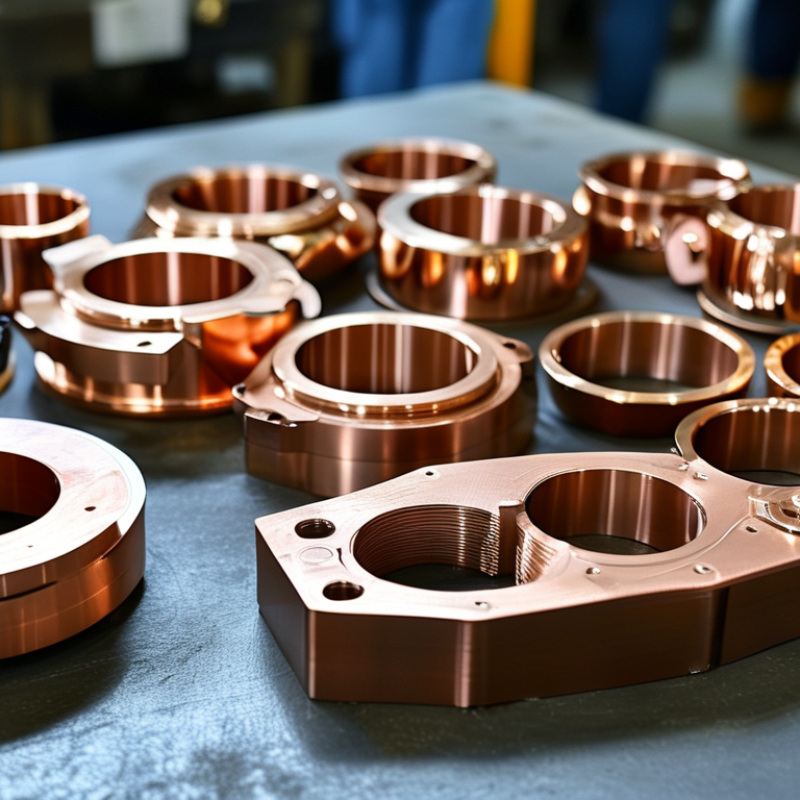
How to Source Quality Copper Stamping Parts in 2026?
In 2026, sourcing quality Copper Stamping Parts presents unique challenges and opportunities. The demand for precision components is rising across industries, especially in automotive and electronics. Companies must navigate a complex supply chain to obtain reliable parts that meet stringent quality standards.
It is essential to consider various factors when sourcing Copper Stamping Parts. Supplier credibility plays a vital role. Many businesses overlook this, leading to complications down the line. Transparency in the manufacturing process can enhance trust and ensure the quality of parts.
Evaluating potential suppliers involves research and firsthand experience. Engaging with industry experts is crucial. Learning from past mistakes can help refine sourcing strategies. Quality assurance processes should not be an afterthought. Investing time in thorough evaluations pays off in the long run.
Identifying Key Specifications for Copper Stamping Parts Sourcing
When sourcing quality copper stamping parts in 2026, understanding key specifications is crucial. Copper’s excellent conductivity and malleability make it a popular choice for various applications. According to industry reports, the global demand for copper stamping parts is projected to grow at a CAGR of 4.5% over the next five years. This trend emphasizes the importance of selecting the right specifications.
Consider the thickness of the copper. Standard thicknesses range from 0.1mm to 2mm, impacting both performance and cost. Additionally, ensure that the copper grade meets your project’s requirements. For example, C11000 is highly conductive but may not fit all applications. Remember that a mismatch between specifications and application can lead to failures.
Tip: Always request sample parts before making a large purchase. This allows you to test for compatibility. Look into surface treatments as well, as they can enhance durability and corrosion resistance. Many manufacturers do not offer this as a standard, so be proactive.
Another critical specification is the tolerances in manufacturing. A tolerance of ±0.01mm is often necessary for precision applications. However, some projects may require looser tolerances due to budget constraints. Reflect on what your project actually needs versus what is offered. This reflection can prevent wasted resources and ensure better quality parts.
Evaluating Potential Suppliers for Quality Assurance
When sourcing quality copper stamping parts, evaluating potential suppliers is crucial. A reliable supplier must have strong quality assurance practices. Look for suppliers who implement rigorous testing and inspection processes. This ensures that their products meet industry standards.
Tips for evaluating suppliers:
- Ask for certifications. They show a commitment to quality.
- Visit the supplier’s facility. This allows you to see their operations and practices.
- Request samples before making a large order. This helps assess the quality firsthand.
Trust is built through transparency. Suppliers should be open about their sourcing and production methods. Communication plays a significant role in establishing a strong relationship.
Consider supplier reviews from other customers. High ratings often reflect reliability. Be cautious of suppliers with poor feedback. This may indicate underlying issues. Remember, quality assurance is not a one-time process. It requires ongoing collaboration and feedback.
Assessing Production Capabilities and Technology in 2026
In 2026, assessing production capabilities for copper stamping parts is crucial. Companies must focus on innovative technologies that enhance efficiency. Advanced machinery can improve precision and reduce waste. Look for manufacturers that invest in automation. It's a clear indicator of their commitment to quality.
Quality also hinges on the expertise of the workforce. Skilled technicians ensure that production processes run smoothly. A lack of trained personnel might lead to errors and inconsistencies. Regular training sessions can boost skill levels and help in adapting to new technologies.
Collaboration with suppliers is essential for sourcing quality parts. Strong relationships can lead to better materials and cost-effective solutions. However, over-reliance on a single supplier can be risky. Diversifying sources can safeguard against supply chain disruptions. Regularly reassess supplier capabilities to ensure they meet evolving standards.
Understanding Quality Control Processes for Copper Stamping Parts
Quality control is crucial for sourcing copper stamping parts. An effective quality control process ensures that parts meet specifications and perform as expected. The National Institute of Standards and Technology (NIST) suggests that implementing stricter quality measures can reduce defects by up to 30%. This not only improves reliability but also enhances customer satisfaction.
To achieve high-quality copper stamping parts, manufacturers should focus on several key areas. Materials need to be carefully selected based on standards. A report by the Copper Development Association states that using pure copper can improve conductivity by 25%. This significant improvement highlights the importance of choosing the right materials.
Additionally, regular inspections and testing help identify defects early. Implementing automated inspections can increase efficiency. However, some manufacturers struggle with integrating new technologies into their existing processes. This can lead to mixed results and potential oversights. Continuous training of staff in quality control processes is also essential, though often overlooked. A skilled workforce can significantly enhance the quality control process, ensuring that the final products consistently meet or exceed industry standards.
How to Source Quality Copper Stamping Parts in 2026? - Understanding Quality Control Processes for Copper Stamping Parts
| Quality Control Process | Importance | Key Metrics | Implementation Frequency |
| Material Inspection | Ensures raw materials meet specifications | Material properties reports | Per shipment |
| Dimensional Checks | Ensures parts meet dimensional specifications | Tolerances compliance percentage | Every batch |
| Visual Inspections | Identifies surface defects and inconsistencies | Defect rates | Daily |
| Functional Testing | Verifies operational capabilities of stamped parts | Performance consistency | Every production cycle |
| Final Quality Audit | Ensures overall product quality before shipment | Final product acceptance rate | Every order |
Exploring Cost Factors and Negotiation Strategies in Supply Sourcing
When sourcing quality copper stamping parts in 2026, understanding cost factors is vital. Prices fluctuate due to raw material costs, labor, and transportation. A deeper look at market trends can uncover potential savings. Analyzing historical data helps identify predictable price shifts. However, unforeseen global events may disrupt supply chains and impact costs.
Negotiation strategies are equally crucial. Establishing long-term relationships with suppliers can lead to better pricing. Open communication fosters trust and collaboration. Discussing bulk orders might enable discounts. Conducting market research shows you understand the landscape, which empowers your negotiating position. However, it’s essential to remain flexible. Rigid tactics can backfire. Be ready to adapt your approach based on the supplier's response and market conditions.
Investing in technology to streamline procurement could lead to more reliable quotes. Yet, not every strategy will yield immediate results. Reflecting on past negotiations reveals lessons learned. Understanding what went wrong can refine future tactics. Embrace a mix of data-driven and interpersonal skills for optimal outcomes.
 Skip to content