How to Source Quality Coffee Beans for Your Business?
Sourcing quality Coffee Beans is crucial for any business dedicated to serving exceptional coffee. The selection of beans directly impacts flavor profiles, aroma, and overall customer satisfaction. Knowing where to source coffee beans can be a complex journey. Many businesses start with local suppliers, while others opt for direct trade with farmers.
Quality coffee beans come from various regions, each offering unique characteristics. Understanding these differences can enhance your offerings. Researching potential suppliers is vital. Consider aspects such as sustainability, fair trade practices, and freshness. Establishing strong relationships with suppliers also improves reliability.
It’s essential to be mindful of the sourcing process. Mistakes can lead to subpar products. Regularly tasting and evaluating coffee beans helps maintain standards. Seek feedback from customers to refine your choices. Ultimately, sourcing quality coffee beans requires a commitment to excellence and a willingness to adapt.
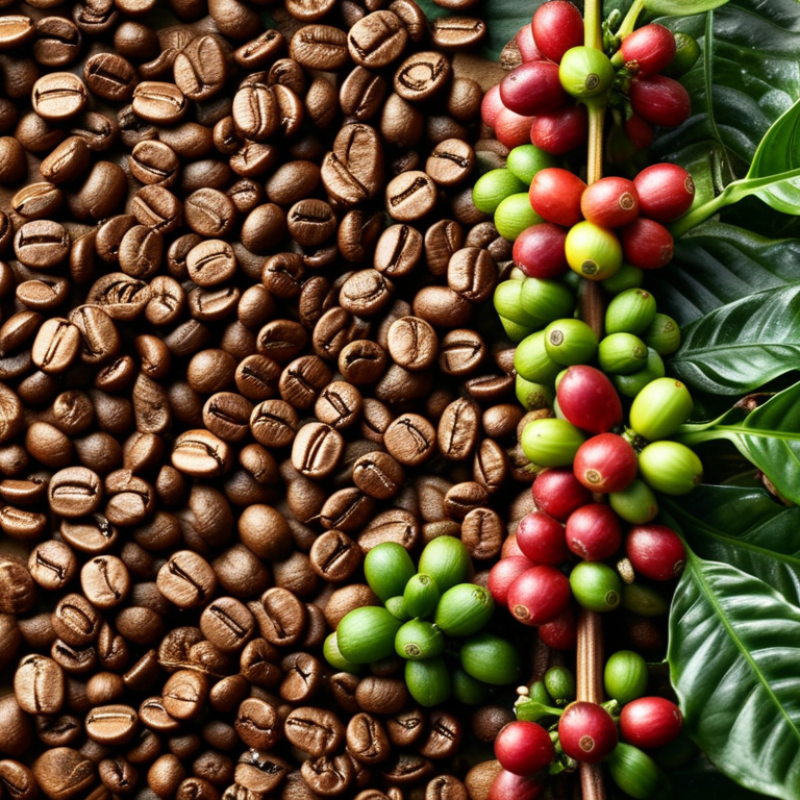
Identifying Your Coffee Quality Requirements for Sourcing
Identifying your coffee quality requirements is crucial for sourcing the right beans. Start by understanding your target market and their preferences. Are they looking for bold flavors or subtle notes? Knowing this helps you choose the right beans. Research various coffee types, such as Arabica and Robusta, and their unique characteristics. Each type offers distinct flavor profiles, acidity levels, and body.
Look for specific qualities that resonate with your brand. Consider factors such as aroma, taste, and texture. Develop a checklist that includes these elements. Engage with your coffee suppliers and communicate your quality standards clearly. Don't hesitate to request samples to evaluate them against your requirements. Be prepared for potential inconsistencies. Each harvest can vary in flavor and quality. It’s essential to adapt your sourcing strategies based on these fluctuations.
Visit coffee farms and build relationships with farmers. Learn about their cultivation practices. This knowledge adds credibility to your sourcing decisions. Keep in mind the impact of growing conditions on quality. Rainfall, soil type, and altitude all play significant roles. Reflect on these aspects regularly to refine your sourcing criteria.
How to Source Quality Coffee Beans for Your Business?
| Quality Attribute | Description | Importance Level |
| Bean Size | Uniformity in size promotes even roasting and flavor consistency. | High |
| Moisture Content | Optimal moisture levels help preserve flavor and shelf life. | High |
| Flavor Profile | Distinctive flavors enhance customer satisfaction and brand loyalty. | Critical |
| Freshness | Freshly roasted beans maintain the desired aroma and flavor. | High |
| Origin Quality | Beans sourced from renowned regions tend to have superior quality. | Medium |
| Processing Method | Different methods (washed, natural) impact the final flavor of the coffee. | Medium |
Researching Coffee Bean Varieties and Their Flavor Profiles
When sourcing quality coffee beans, understanding the various coffee bean varieties is crucial. Arabica and Robusta are the most common types. Arabica accounts for about 60% of global coffee production and is known for its nuanced flavor profiles. Reports indicate that Arabica beans often have a sweeter taste, a greater acidity, and diverse floral notes compared to Robusta.
In contrast, Robusta tends to produce a stronger, harsher flavor, often described as earthy. This variety represents around 40% of production and is sought after for its higher caffeine content. Research highlights that growers are increasingly interested in micro-lots, which yield distinctive flavors based on their unique growing conditions. These specific beans can elevate a coffee menu and attract discerning customers.
However, sourcing these beans can be challenging. Quality can vary due to climate, farming techniques, and processing methods. Relying solely on certifications may not guarantee superior taste. Buyers must engage directly with growers and participate in cupping sessions to evaluate flavor profiles effectively. This hands-on approach fosters better relationships and ensures a transparent supply chain, ultimately benefiting both parties. Understanding these intricacies is essential for any coffee business aiming to thrive in a competitive market.
Evaluating Coffee Bean Suppliers and Their Practices
When sourcing quality coffee beans, understanding suppliers is crucial. Evaluating their farming practices can reveal a lot. Look for transparency in their operations. Ask about their sourcing methods and the regions they work with. Sustainable farming often leads to better quality beans.
Consider the supplier's commitment to ethical practices. Fair trade certifications can be a good indicator. However, not all ethical suppliers have formal certifications. It's important to conduct your own assessments. Visit farms if possible to see their processes firsthand. This can help you gauge their true quality.
Finally, keep track of feedback from other businesses. Join forums or attend industry events to hear about experiences. Not every supplier will meet expectations, and it's essential to remain flexible. Sometimes, a smaller supplier may surprise you with exceptional quality. Always be ready to reassess your choices.
Quality Coffee Beans Sourcing Evaluation
Assessing Quality Control Measures in Coffee Processing
Quality control is a critical aspect of coffee processing. The journey of a coffee bean begins at the farm. How beans are harvested and processed greatly influences their flavor. Farmers should ensure they pick only ripe cherries. However, labor consistency can pose challenges.
After harvesting, beans often undergo various processing methods. Wet or dry processing can impact their final taste profile. A well-managed fermentation process is vital. If done improperly, it may result in off-flavors. Observing the beans at each stage helps maintain quality.
In addition to processing, storage conditions matter significantly. Beans should be kept in a cool, dry place to avoid mold. Regularly examining these stored beans is essential to detect any issues. Quality assurance is ongoing. Investing time in training staff during this process can prevent mistakes. Inconsistent measures in quality control can lead to problems. Regular reviews and adjustments will enhance overall coffee quality.
Testing and Tasting Samples Before Final Purchase Decisions
When sourcing quality coffee beans, testing and tasting samples is crucial. Start by selecting several suppliers. Request samples of their beans, preferably small quantities. This allows you to assess different varieties and origins without a significant commitment.
During the tasting process, pay attention to the aroma, acidity, and body of each coffee. Brew each sample using a consistent method. This ensures fair comparisons. Note the flavor profiles on paper. Sometimes, the first sip might not reveal the true nature of the coffee. Allow your palate to adjust.
Reflect on your choices. It’s easy to get swayed by initial impressions. Take your time with each sample. Share tastings with your team for diverse opinions. This collaborative approach can uncover unexpected favorites. Ultimately, selecting the right beans takes patience and careful consideration. Each batch tells a story, and it’s essential to find one that resonates with your brand's vision.
 Skip to content