What is Smart Lighting and How Can It Benefit You?
smart lighting is transforming the way we illuminate our homes and workplaces. According to renowned lighting expert Dr. Emily Chen, "Smart lighting enhances our lives through customization and efficiency." This technology adapts to our needs and preferences, making every space more vibrant and functional.
Imagine walking into a room where the lights adjust automatically, creating the perfect ambiance. Smart lighting systems use sensors and apps to change brightness and colors based on the time of day or your specific activities. However, despite these advancements, some users find the technology overwhelming and complex. The challenge lies in balancing innovation with usability.
As we explore the benefits of smart lighting, it's essential to consider both its potential and its pitfalls. While energy savings and convenience are significant benefits, the reliance on technology can create dependence. Ultimately, understanding smart lighting's impact requires reflection on how we integrate it into our daily lives.
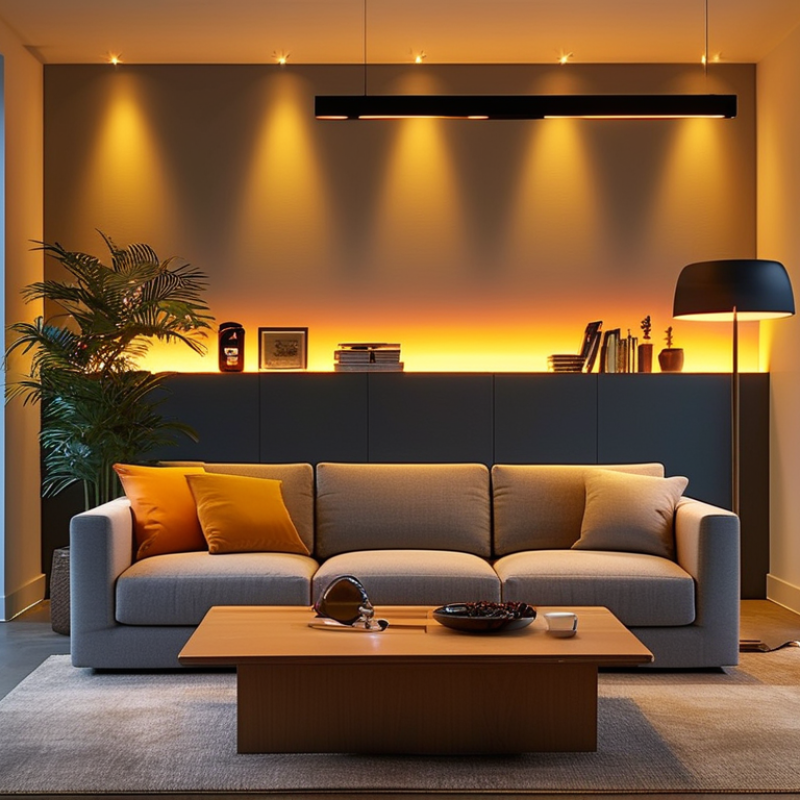
What is Smart Lighting? Definition and Overview
Smart lighting refers to advanced lighting systems that can be controlled remotely via apps or smart devices. These systems use LED technology to provide more efficient, customizable, and interactive lighting solutions. According to a report by Navigant Research, the global smart lighting market is expected to reach $52 billion by 2023, driven by increasing consumer demand for energy-efficiency and automation.
The benefits of smart lighting extend beyond mere convenience. Smart lighting can significantly reduce energy costs, with estimates suggesting that households can save up to 75% on lighting energy use. Integrating these systems with motion sensors and programmable schedules allows for better energy management. However, the initial setup can be complicated and costly. Additionally, not all users find the user interfaces intuitive. This complexity may deter some potential users, leading to underutilization of features designed to maximize efficiency.
Moreover, smart lighting systems can improve safety and security. For instance, outdoor lighting can be programmed to illuminate when motion is detected. However, concerns about privacy arise when connected devices share data. Users may feel apprehensive about the constant data collection. These considerations highlight the balance between innovation and security that must be addressed as smart lighting evolves.
Smart Lighting Benefits Overview
Key Features of Smart Lighting Systems
Smart lighting systems are transforming how we interact with our environments. These systems can offer significant benefits through features that enhance convenience and energy efficiency. Studies show that intelligent lighting can reduce energy consumption by 30% to 50%, primarily by adjusting brightness levels based on occupancy or ambient light. This not only lowers utility bills but also contributes to a more sustainable lifestyle.
One key feature is remote control access. Users can manage lighting through mobile apps from anywhere. This is particularly useful for busy individuals who want to ensure that lights are off after leaving home. Integrating smart sensors that detect movement is another noteworthy feature. Such sensors can trigger lights to turn on or off automatically, providing both security and energy savings. Moreover, customizable lighting schedules can align with daily routines, adapting to the changing needs of users.
However, the adoption of smart lighting does have its challenges. Compatibility issues might arise with existing infrastructure. Additionally, data privacy concerns are prevalent as these systems often collect usage data. It's essential for users to consider these factors carefully before making a switch to smart lighting. Addressing these complexities is crucial as we continue to embrace advancements in lighting technology.
What is Smart Lighting and How Can It Benefit You?
| Feature | Description | Benefits |
| Remote Control | Control lights from anywhere using a smartphone app. | Convenience and ease of access. |
| Scheduling | Set timers to turn lights on/off automatically. | Energy savings and improved security. |
| Dimming | Adjust brightness levels to suit your needs. | Enhanced ambiance and energy efficiency. |
| Color Changing | Change the color of lights to match moods or events. | Customization for aesthetic experiences. |
| Energy Monitoring | Track energy consumption through the app. | Cost savings and environmental awareness. |
Advantages of Smart Lighting for Home and Business
Smart lighting offers numerous advantages for both homes and businesses. It allows users to control their lighting via smartphones or voice commands. This level of convenience can enhance daily routines. Imagine walking into a room that lights up automatically. This feature makes smart lighting both impressive and practical.
Energy savings are another significant benefit. Smart lighting systems adjust based on the time of day and occupancy. They can dim or turn off lights when not needed. Organizations can cut energy costs this way. For homeowners, this translates into lower utility bills and a smaller carbon footprint.
Security is a crucial aspect as well. Smart lighting can simulate occupancy. Lights can be set to turn on and off at random intervals. This deters potential intruders. However, users must remember to set the schedules. Forgetting this step might compromise safety. Overall, smart lighting can transform spaces while promoting efficiency and security.
How Smart Lighting Can Enhance Energy Efficiency
Smart lighting technology has revolutionized how we use energy in our homes and businesses. By utilizing sensors and timers, these systems adjust lighting automatically. This means fewer lights are used during the day and more light during dark hours. Energy savings can reach up to 30% with proper usage.
When considering energy efficiency, smart lighting shines brightly. For example, motion sensors can turn off lights in empty rooms. Dimming capabilities allow lights to use less power when full brightness isn't needed. Additionally, many systems can be programmed to follow your schedule. This leads to thoughtful power consumption.
Despite the benefits, some users may face challenges. Installation can sometimes be tricky. Not all devices are compatible. People often overlook maintenance. Regular updates and checks can help systems run optimally. Being aware of these potential issues allows better decision-making. Keeping these factors in mind can enhance both experience and efficiency.
Integrating Smart Lighting with Other Home Automation Systems
Integrating smart lighting into your home automation system brings a new level of convenience and efficiency. With the global smart lighting market expected to reach $24 billion by 2027, many homeowners are recognizing its potential benefits. Imagine controlling every light in your home from your smartphone or setting them to adjust based on the time of day. Studies show that effective lighting can improve mood and productivity significantly.
Notably, smart lighting can work in tandem with other systems, like security and climate control. For example, lights can automatically turn on when your security system is triggered. This integration not only enhances safety but also promotes energy efficiency. A joint report by the International Energy Agency highlights that smart lighting can reduce energy consumption by up to 50%.
**Tip:** Consider using motion sensors to trigger lights in high-traffic areas. This small adjustment can lead to significant savings.
However, managing multiple systems can be overwhelming. It's essential to ensure compatibility between devices. Some smart lighting systems may not integrate smoothly with all home automation setups. Poor integration can lead to inefficiencies or unexpected malfunctions.
**Tip:** Research compatibility before purchasing new devices. A little homework can save time and frustration.
 Skip to content