 Skip to content
How to Find a Reliable Conveyor Drum Pulley Manufacturer?
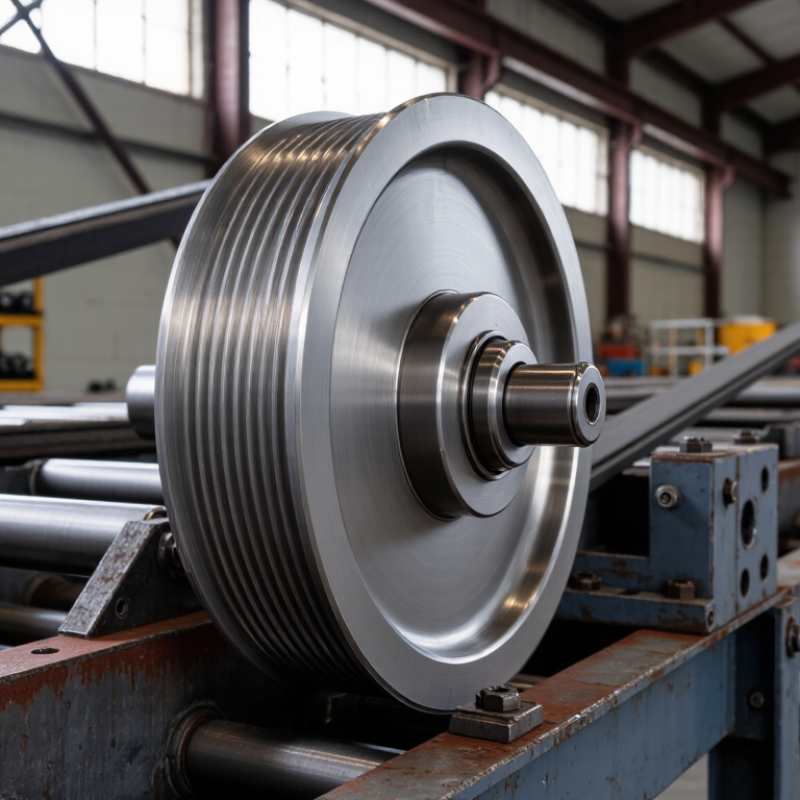
A conveyor drum pulley may look simple from a distance: a steel shell, end discs, and a shaft. In service, small details matter. A pulley that is poorly balanced or mismatched to the belt can cause vibration, tracking problems, and premature wear. Choosing a reliable Conveyor Drum Pulley Manufacturer is therefore not just a purchasing task. It is part of keeping a conveyor system predictable under real operating loads.
Start by checking the manufacturer’s experience with your application, not only its product catalogue. Ask about shell dimensions, lagging options, shaft design, weld inspection, and dynamic balancing. Request drawings and material specifications that match your operating conditions, including belt speed, load, and environment. Evidence is useful. Clear quality records and practical answers are more convincing than broad claims. Still, a polished document cannot tell you everything; confirm that the proposed design fits your actual installation.
Look closely at communication and support, too. Does the supplier clarify unclear requirements before quoting? Can it explain inspection steps and provide a realistic production schedule? These details often reveal how the order may be handled after payment. A low price can be attractive, but compare scope, tolerances, and delivery terms before deciding. Ask for references or relevant project examples where available. Then weigh the evidence against your own maintenance priorities. No supplier is perfect. A careful review helps you identify the risks, ask better questions, and select a manufacturer whose capabilities suit the conveyor—not just the specification sheet.
Define Your Conveyor Drum Pulley Requirements
How to Find a Reliable Conveyor Drum Pulley Manufacturer?
Define Your Conveyor Drum Pulley Requirements
A reliable manufacturer needs clear operating details before preparing a quotation. Start with belt width, pulley diameter, face width, and shaft dimensions. State the belt speed, transported material, loading pattern, and expected daily operating hours. These details reveal whether the pulley must handle steady, shock, or reversing loads.
Environmental conditions matter just as much. Describe moisture, dust, chemicals, temperature changes, and outdoor exposure. Specify the preferred shell material, shaft grade, bearing arrangement, and lagging type. Ceramic, rubber, or unlagged surfaces suit different traction and cleaning needs. Include applicable design standards and installation limits.
Do not rely on a rough sketch alone. Provide drawings, photographs, or measurements from the existing conveyor. A first specification is rarely perfect. We have seen small errors in shaft length create difficult site modifications. Ask the manufacturer to confirm weld procedures, balancing tolerances, inspection methods, and dimensional checks. Request material certificates and a documented test report when the application carries high loads.
Be specific about delivery and maintenance requirements. Confirm replacement parts, lubrication access, coating thickness, and expected service conditions. A capable manufacturer should ask practical questions, not simply offer the lowest price. If the technical response ignores belt tension or maintenance access, reconsider the quotation. That omission may become an expensive lesson.
How to Find a Reliable Conveyor Drum Pulley Manufacturer? - Define Your Conveyor Drum Pulley Requirements
| Requirement | Information to Define | Illustrative Example | Why It Matters |
|---|---|---|---|
| Pulley function and location | Identify whether the pulley is a drive, tail, bend, take-up, or snub pulley, and show its position in the conveyor arrangement. | Drive pulley at the head end; bend pulley on the return run. | Pulley function affects loading, construction, lagging, and how the pulley is connected to the drive or take-up system. |
| Belt details | Specify belt width, belt construction, cover material, belt rating, and applicable belt specification. | Belt width: 800 mm; belt construction and rating: provide from the belt datasheet. | The pulley must suit the belt’s width, tensile requirements, and construction. Use the belt supplier’s recommendations when selecting pulley dimensions. |
| Pulley diameter and face width | Give the required shell diameter and face width, or provide the belt, load, and layout details needed to determine them. | Diameter: 500 mm; face width: dimensioned on the conveyor drawing. | Diameter influences belt bending and pulley duty. Face width must accommodate the belt and the specified arrangement; confirm both dimensions against the design and applicable recommendations. |
| Operating load and belt tension | Provide the design belt tensions, conveyed load, operating condition, and any starting or braking loads available from the conveyor calculation. | Provide maximum operating and transient belt tensions in kN. | Loads determine the required strength of the shell, shaft, hubs, and connections. A nominal load alone may not describe starting or other peak conditions. |
| Speed and duty | State belt speed, operating hours, starts per hour, and whether the conveyor runs continuously or intermittently. | Belt speed: 2.0 m/s; operation: 16 hours per day. | Speed and duty help define operating conditions, heating, wear expectations, and the appropriate inspection and maintenance plan. |
| Shaft and bearing arrangement | Provide shaft diameter, bearing locations, bearing type if specified, end details, and the required mounting or coupling interface. | Shaft ends and bearing centre distances: refer to the dimensioned assembly drawing. | Accurate interface dimensions support fit-up with the conveyor frame, bearings, and drive. Shaft sizing should be checked against calculated loads and deflection limits. |
| Lagging and surface finish | Specify whether lagging is required, along with its material, thickness, pattern, and bonding method where applicable. | Drive pulley: specify the required rubber lagging and surface pattern; confirm the selection for the operating conditions. | Surface selection can affect traction, wear, and resistance to material or moisture conditions. Requirements vary with pulley function and application. |
| Environment and materials | Describe temperature range, moisture, dust, corrosive exposure, washdown, and any material or coating requirements. | Outdoor service with rain exposure; state ambient temperature range and any corrosion-protection requirement. | Environmental conditions influence material selection, coatings, sealing details, and expected service life. |
| Drawings, tolerances, and documentation | Provide the latest arrangement and interface drawings, required tolerances, inspection requirements, and requested documentation. | Dimensioned drawing with shaft-end details; request material certificates and an inspection report if required. | Clear drawings and acceptance requirements reduce ambiguity during manufacture and help verify that the supplied pulley fits the conveyor. |
| Applicable standards and acceptance criteria | Name the standards, project specifications, test requirements, and acceptance criteria that apply to the pulley and conveyor. | List the project’s required design, fabrication, inspection, and documentation standards. | Requirements vary by project and market. Explicit criteria help ensure the quotation, design review, manufacture, and inspection use the same basis. |
Note: Example values are illustrative only, not universal design recommendations. Confirm final dimensions, materials, and ratings using the conveyor design, belt specifications, and applicable project requirements.