Why are Fabric Testing Instruments Essential for Quality Control?
Quality control is crucial in the textile industry. Ensuring products meet specific standards can make or break a brand. Fabric Testing Instruments play a vital role in this process. They evaluate the characteristics of fabrics, such as strength, durability, and colorfastness. These tests provide reliable data for manufacturers. Without them, quality assurance becomes a guessing game.
Fabric Testing Instruments help identify defects before production. This proactive approach reduces waste and enhances customer satisfaction. However, not all tests guarantee perfect results. Variability in fabric production can lead to different outcomes. It's essential for companies to understand their testing limitations. Regular calibration of instruments is necessary to maintain accuracy.
Investing in Fabric Testing Instruments is an investment in brand reputation. Companies that prioritize quality often stand out in a crowded market. Yet, the key is not just having the tools but using them effectively. Ongoing training for staff on these instruments is often overlooked. This gap can lead to missed opportunities for improvement. Quality control requires a commitment to excellence and continuous learning.
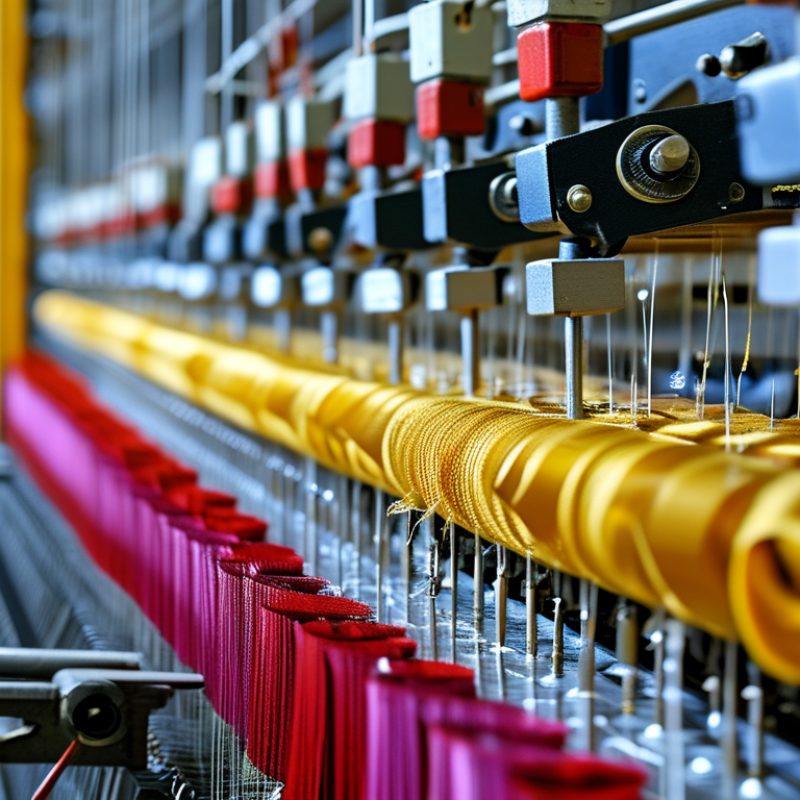
Importance of Fabric Testing in the Textile Industry
Fabric testing plays a critical role in ensuring quality across the textile industry. Through various evaluations, manufacturers can assess the durability and performance of fabrics. This process minimizes defects in the final product. Quality testing also helps in predicting how fabrics will respond to wear and tear.
For instance, testing methods such as tensile strength or colorfastness reveal essential insights. These assessments ensure that fabrics maintain their appearance and integrity, even after multiple washes. However, many companies overlook such testing. This can lead to significant issues later on.
Understanding the importance of fabric testing can shape the future of textile production. It enhances consumer trust and brand reputation. Yet, some manufacturers may struggle with implementing consistent testing protocols. This inconsistency may undermine quality control efforts. Thus, a commitment to regular testing is vital for sustainable success in the fabric industry.
Why are Fabric Testing Instruments Essential for Quality Control? - Importance of Fabric Testing in the Textile Industry
| Testing Parameter | Description | Importance | Standard Method |
| Tensile Strength | Measures how much force a fabric can withstand before breaking. | Ensures durability and longevity of the textiles. | ASTM D5034 |
| Colorfastness | Determines how well a fabric maintains its color when exposed to light, washing, and abrasion. | Critical for maintaining aesthetic and commercial value. | AATCC 61 |
| Pilling Resistance | Evaluates the tendency of fabric to form pills or balls on the surface. | Affects the appearance and feel of the fabric over time. | ASTM D4970 |
| Shrinkage | Measures the reduction in dimension of fabric after washing. | Important for ensuring proper fit and usability of garments. | AATCC 135 |
| Water Resistance | Assesses the fabric's ability to repel water. | Vital for outdoor and technical textiles. | AATCC 22 |
Types of Fabric Testing Instruments and Their Functions
Fabric testing instruments are vital in ensuring textile quality. Different instruments serve various functions in assessing fabric properties. These tools help manufacturers maintain high standards and meet customer expectations.
One common type of fabric testing instrument is the tensile tester. This device measures the strength and elasticity of fabrics. It can detect weaknesses in materials, which may lead to product failure. Another essential instrument is the colorfastness tester. It evaluates how well a fabric retains color after washing and exposure to light. This assessment is crucial for ensuring durability in fashion and upholstery.
A moisture regain tester is also significant. It measures how much moisture a fabric can absorb. This property affects comfort, especially in activewear. While these instruments provide valuable data, they require proper calibration for accuracy. Even minor errors can lead to misleading results. Consistent testing procedures are necessary for reliable outcomes, highlighting the importance of expert handling. Regularly reviewing testing methods can further improve quality control in fabric manufacturing.
Fabric Testing Instruments: Importance and Functions
Key Quality Control Parameters Measured by Fabric Testing
Fabric testing instruments are vital for maintaining high standards in textile quality control. They measure several key parameters that ensure fabrics meet industry requirements. One critical aspect is tensile strength. According to industry reports, fabrics with low tensile strength can lead to product failure. Testing can prevent costly issues down the line.
Another important parameter is colorfastness. This determines how well a fabric retains its color when exposed to various conditions. Studies have shown that nearly 30% of returns in the textile industry result from poor colorfastness. Ensuring this quality parameter is met helps brands preserve their reputation and customer satisfaction.
Additionally, the softness of fabric is a major factor in consumer preferences. User surveys indicate that 70% of consumers prioritize softness when choosing textiles. Fabric testing instruments quantify this aspect, allowing manufacturers to adjust blends and processes accordingly. Failing to test for softness can lead to mismatched expectations. In a competitive market, these small oversights can greatly impact a brand's success.
Impact of Fabric Testing on Product Durability and Performance
Fabric testing plays a critical role in determining product durability and performance. It evaluates how fabrics react under different conditions. Testing reveals vulnerabilities that may not be visually apparent. For example, tests for abrasion resistance can show weakening in areas prone to wear. This knowledge helps manufacturers improve fabric strength.
Durability affects longevity. Fabrics that fail under stress may lead to consumer dissatisfaction. Testing mitigates these risks by providing data that guides design decisions. Knowing a fabric’s limits enables further innovation. Performance is also tied to comfort and usability. Proper testing ensures that fabrics breathe, stretch, and behave as expected.
While testing methods are established, they are not flawless. Situational variables can affect results. Environmental changes might yield different outcomes in the real world. Thus, continuous evaluation and adaptation are necessary. This iterative process encourages improvement over time, aligning fabric qualities with consumer needs.
Navigating Industry Standards Through Effective Fabric Testing
In the textile industry, navigating industry standards is crucial for maintaining product quality. Effective fabric testing ensures compliance with regulations set by organizations like ASTM and ISO. According to a report by the American Association of Textile Chemists and Colorists, over 65% of fabric failures result from inadequate testing. Testing methods can reveal weaknesses in materials that may go unnoticed during production.
Many manufacturers overlook the importance of detailed fabric testing. A survey conducted by the Textile Industry Alliance found that nearly 30% of companies do not regularly test their fabrics. This negligence can lead to significant financial losses. In contrast, companies with rigorous testing protocols often experience a 15% reduction in product returns. Such data illustrates that thorough testing is not just routine; it's a proactive measure for quality assurance.
Additionally, fabric properties like tensile strength and colorfastness are key indicators of quality. Research indicates that fabrics meeting high industry standards can enhance brand reputation. However, the disparity between testing knowledge and application persists. It is essential for manufacturers to invest in training their staff on these standards. This commitment to knowledge can bridge the gap between compliance and quality, ultimately benefiting the entire supply chain.
 Skip to content