What is Emergency Genset and How does it Work?
In today's unpredictable world, the importance of an "Emergency Genset" cannot be overstated. This equipment serves as a crucial power backup during outages. John Thompson, an expert in emergency power solutions, emphasizes, "An Emergency Genset can be a lifesaver when the grid fails." His words highlight the vital role these generators play in keeping essential operations running.
Emergency Gensets are more than just machines; they are lifelines. Hospitals, schools, and businesses rely on them. When the lights go out, an Emergency Genset automatically kicks in, ensuring a seamless transition. This is especially critical for hospitals, where patient care depends on constant power.
However, it is essential to understand the limitations of an Emergency Genset. They require regular maintenance and fuel. Neglecting these aspects can lead to failures when they are most needed. As technology advances, users must also stay updated on best practices to ensure reliability. The investment in training and knowledge can be just as crucial as investing in the generator itself.
What is an Emergency Genset?
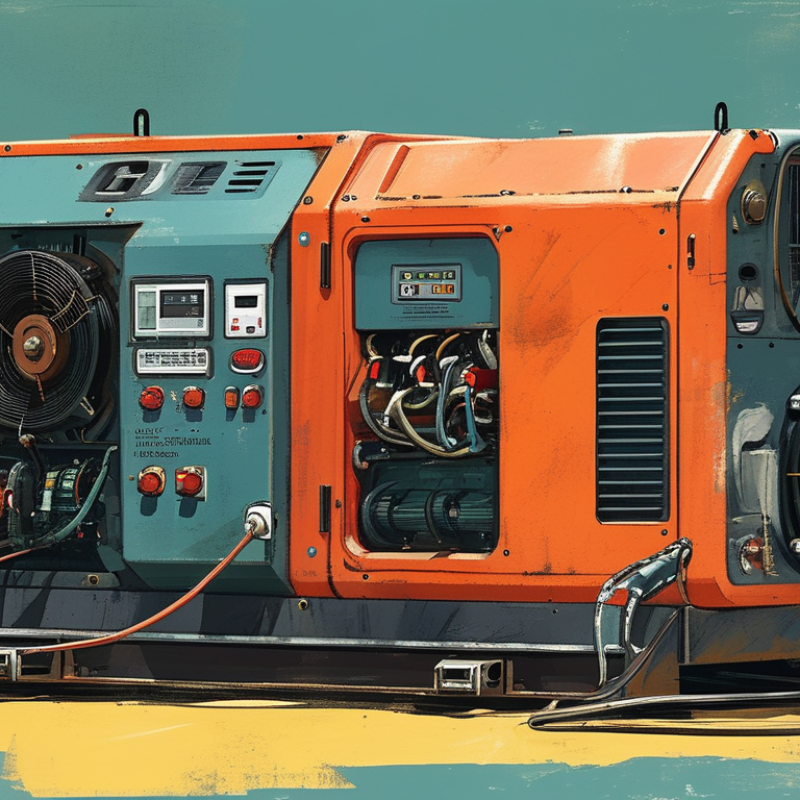
An emergency genset, short for generator set, serves a critical role in power outages. It provides backup electricity, ensuring essential systems remain operational. These units are equipped with engines and alternators to convert fuel into electrical energy. They are commonly powered by diesel, natural gas, or propane. The size and capacity of a genset depend on the power needs of the facility it serves.
Tips: Regular maintenance of your emergency genset is vital. Check the oil, fuel levels, and battery regularly. This ensures that your generator is ready when you need it most.
Emergency gensets automatically activate during a power failure, providing instantaneous power. This is crucial for hospitals, data centers, and other facilities. However, improper installation or lack of training can lead to dangerous situations. It's essential to hire qualified professionals for installation and maintenance.
Tips: Always conduct routine tests of your emergency genset. This helps identify issues early, ensuring reliability during emergencies. An efficient generator can make a significant difference in critical situations. Yet, everyone should ensure they understand its capacity and limitations.
Emergency Genset Power Output Comparison
Key Components of Emergency Generators
Emergency generators, or gensets, play a crucial role in providing backup power during outages. Understanding their key components is essential for anyone considering installation.
At the heart of every emergency genset is the engine, often fueled by diesel or natural gas. This engine converts fuel into mechanical energy. It drives an alternator, which produces electricity. Other important components include the control panel, which helps monitor performance and settings. A reliable starting system is essential, as quick activation is vital during emergencies.
Additionally, the fuel system must be efficient to ensure the generator runs smoothly. Regular maintenance is often overlooked. Neglecting to check oil levels or replace filters can lead to failures. An effective exhaust system, cooling devices, and a proper noise reduction mechanism also enhance performance and usability. Understanding these elements can help in making informed decisions about emergency power solutions.
How Emergency Generators Function
Emergency generators, commonly known as gensets, provide essential power during outages. They operate by converting fuel into electricity. Most gensets use diesel, gasoline, or propane as fuel sources. The engine within the generator burns the fuel to produce mechanical energy. This energy drives a generator, producing electrical power for essential appliances.
When an outage occurs, an automatic transfer switch detects the power loss. It disconnects the building from the grid and starts the generator. Within seconds, emergency power is available. The quick response is crucial for businesses, hospitals, and homes in areas prone to blackouts. This transition helps prevent disruptions.
Tips: Regular maintenance is vital for reliable performance. Schedule routine inspections and test run your generator monthly. Keep a fueling plan in place to ensure you have enough fuel during emergencies. Familiarize yourself with the operation manual. Understanding the specifics of your genset can save valuable time when power is needed urgently.
Another aspect to consider is noise level. Some gensets can be quite loud. This may impact your neighbors and your comfort. Solutions include soundproof enclosures or choosing quieter models. Awareness of these details will enhance your emergency preparedness strategies.
Common Applications of Emergency Gensets
Emergency gensets, or generators, play a critical role in various situations where electricity is needed urgently. They are essential in hospitals, where power outages can affect life-saving equipment. In these facilities, gensets ensure that critical systems remain operational during emergencies. Reliable power is paramount when every second counts.
Common applications also include data centers, which house sensitive information. A power interruption can lead to data loss or corruption. Emergency gensets provide backup electricity, safeguarding vital operations. Additionally, construction sites rely on portable gensets for tools and equipment. They enable work to continue, even in remote locations without access to the grid.
However, there are challenges with emergency gensets. Fuel availability and maintenance can be concerns. Inadequate planning can lead to generator failure when it's needed most. Companies must regularly test and maintain their gensets. If overlooked, issues may arise, impacting performance during crucial moments. Understanding these aspects is vital for effective implementation.
Maintenance and Safety Considerations for Emergency Gensets
Maintenance of emergency gensets is critical for reliable operation. According to a report by the Energy Information Administration, up to 70% of critical power outages are preventable with proper maintenance. Regular inspections are vital. Look for fuel leaks and worn-out cables. Replace any damaged hardware immediately to avoid bigger issues.
Safety is also a key concern. Keep the generator in well-ventilated areas to prevent carbon monoxide build-up. Install carbon monoxide detectors near the unit to ensure early warning. Ensure that safety switches are functional. These simple measures can save lives and reduce risks.
Tips: Schedule maintenance checks annually. Consider service records to track performance. Knowing the age of your genset helps plan for replacements. Be aware that neglecting maintenance can lead to unforeseen failures, costing both time and money.
 Skip to content