What is Consumer Product Packaging and Why Does It Matter?
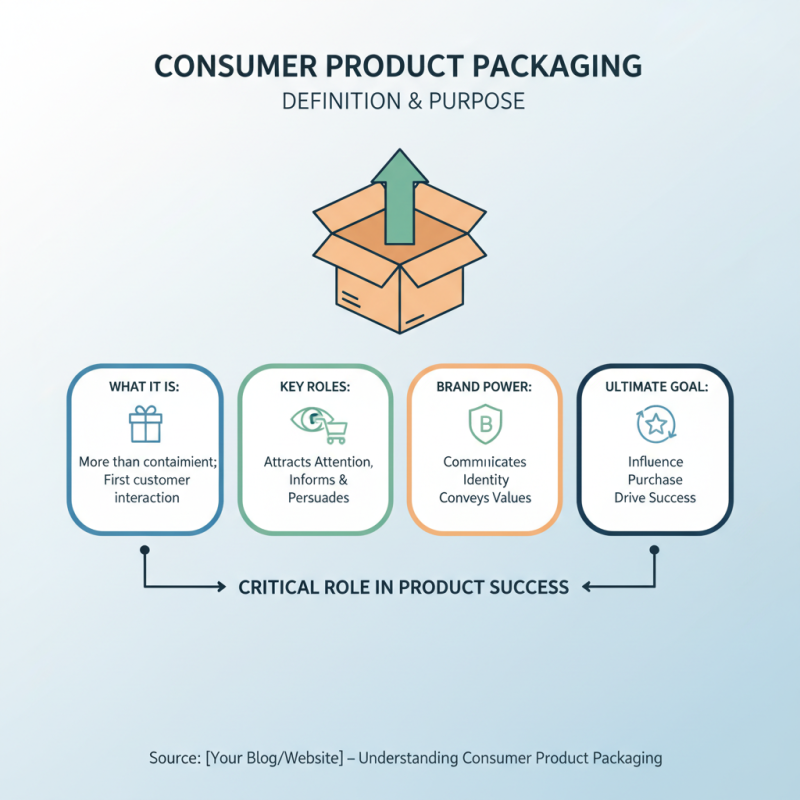
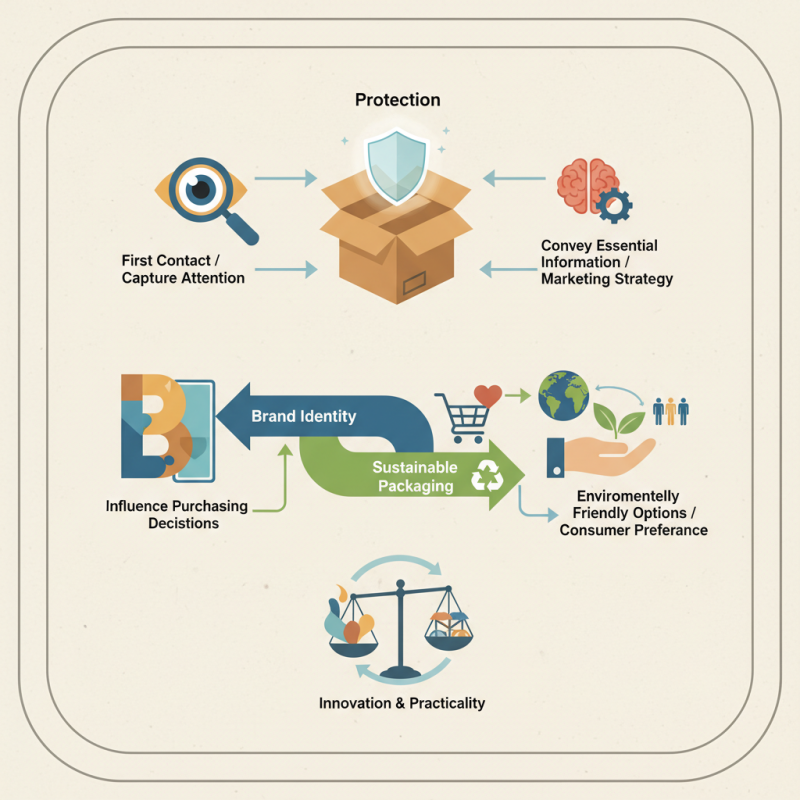
Consumer product packaging is more than just a protective layer. It serves as the first point of contact between a brand and its customers. Effective packaging can capture attention and convey essential information. This makes it a crucial element of marketing strategy.
Understanding consumer product packaging is vital in today's competitive market. Packaging not only preserves products but also reflects brand identity. Thoughtful design can create a lasting impression, influencing purchasing decisions. Yet, many brands overlook the importance of this crucial aspect.
Moreover, sustainable packaging is gaining attention. More consumers prefer environmentally friendly options. Brands must adapt to this shift to remain relevant. However, balancing innovation and practicality can be challenging. Packaging must meet both aesthetic and functional needs, which is no small feat. Every brand should reflect on its packaging choices. After all, the packaging speaks volumes about the product inside.
Understanding Consumer Product Packaging: Definition and Purpose
Consumer product packaging plays a critical role in the success of a product. It serves multiple purposes beyond mere containment. Packaging is often the first interaction a customer has with a product, influencing their purchasing decisions. When designed effectively, it can capture attention and convey essential information about the item inside. The visual appeal of packaging can communicate the brand's identity and values without saying a word.
Understanding consumer product packaging involves recognizing its necessity. Packaging protects products from damage and contamination during storage and transportation. It also provides essential information, such as ingredients, usage instructions, and safety warnings. This transparency fosters trust with consumers. However, packaging can easily overwhelm with excessive information or complex designs. Finding a balance is crucial.
So, what is the significance of packaging? It is an art of persuasion. Good packaging tells a story and captivates consumers’ interest. Yet, some designs may stray too far from function. Practical considerations sometimes get lost in aesthetics. Brands need to reflect on how their packaging choices affect both the consumer experience and the environment.
Key Functions of Packaging in Product Marketing and Branding
Packaging plays a crucial role in product marketing and branding. It serves multiple key functions that extend beyond mere protection of the product. First, packaging acts as a silent seller. An eye-catching design can attract consumers’ attention in a crowded market. Bright colors, unique shapes, and informative graphics can all create instant interest.
Moreover, packaging communicates a brand's values and promises. It offers insights about the product inside. Clear labeling of ingredients or sustainable practices can resonate with eco-conscious consumers. But not all brands get it right. Sometimes, packaging may be overly complicated or misleading, leading to consumer distrust. This can harm brand loyalty in the long run.
Functionality is another vital aspect. Packaging should be easy to use and store. If consumers struggle to open or handle a product, they may opt for alternatives. This highlights the need for continuous improvement. Brands must reflect on their packaging decisions and adapt based on user experience. Balancing aesthetics and practicality is essential for effective product marketing.
Materials and Design Considerations in Packaging Development
Consumer product packaging is a critical aspect of product development. The choice of materials affects not only the product’s safety but also its appeal. Eco-friendly materials like biodegradable plastics are gaining popularity. These options resonate with environmentally conscious consumers. However, sourcing these materials can be challenging and costly for manufacturers.
Design also plays a significant role. Packaging should attract attention on shelves while ensuring functionality. Eye-catching graphics and colors can enhance brand recognition. Yet, the balance between aesthetics and practicality is delicate. Overly elaborate designs may confuse consumers. Simplicity often leads to better usability.
Thoughtful packaging design requires collaboration among teams. Marketers, designers, and engineers must work together. Each brings essential insights that shape the final product. Sometimes, these collaborations lead to compromises. Teams may struggle to agree on the best approach. Reflecting on these tensions can lead to innovative solutions that improve packaging.
What is Consumer Product Packaging and Why Does It Matter?
| Material Type |
Sustainability Rating |
Cost ($ per 1000 units) |
Consumer Perception (%) |
| Plastic |
Moderate |
150 |
65 |
| Glass |
High |
300 |
85 |
| Metal |
High |
250 |
80 |
| Paperboard |
High |
180 |
70 |
| Bioplastic |
Very High |
350 |
90 |
The Role of Packaging in Consumer Safety and Product Preservation
Packaging plays a crucial role in consumer safety. Proper packaging protects products from contamination and damage during transit. For instance, food packaging must effectively keep out bacteria and moisture. This barrier helps maintain freshness and prevents spoilage. If the packaging fails, the product may pose health risks.
Additionally, packaging helps communicate essential information to consumers. Labels often contain instructions for storage and usage, which are vital for safety. Misleading packaging can lead to misuse or waste, prompting reflection on regulations and standards. High-quality packaging can also enhance consumer confidence, impacting their purchasing decisions.
Yet, the challenge remains in balancing functionality and sustainability. Many companies grapple with using environmentally friendly materials while ensuring product safety. This ongoing tension raises questions about innovation in packaging design. As we navigate these challenges, it’s essential to prioritize safety and preservation without compromising our planet.
Importance of Consumer Product Packaging
This chart illustrates the importance of various factors related to consumer product packaging. Safety is rated the highest, followed by preservation, marketing, and sustainability, signifying their critical roles in consumer safety and product integrity.
Sustainability Trends in Consumer Product Packaging Solutions
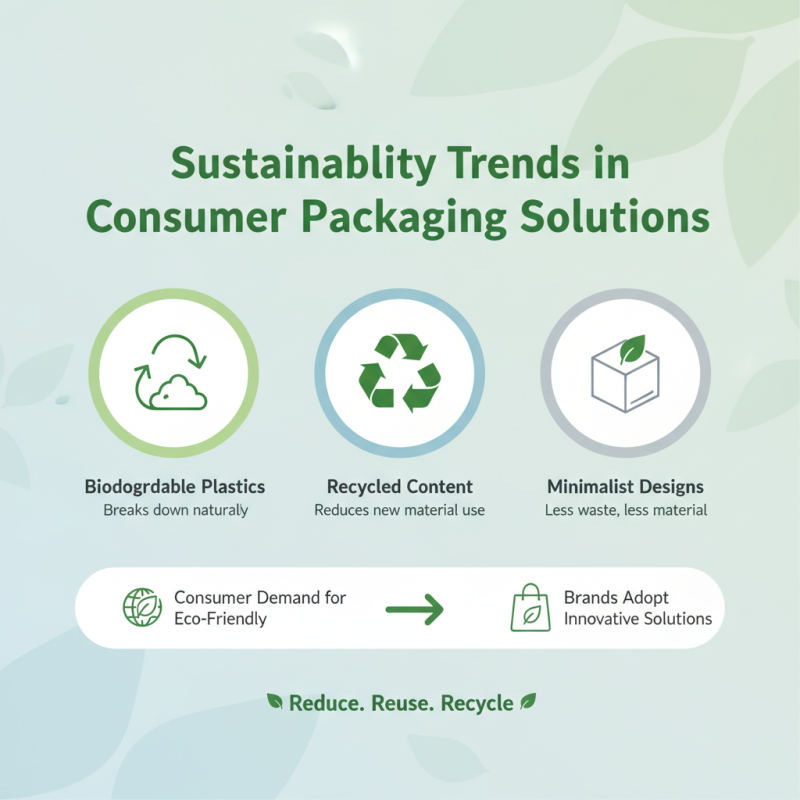
In recent years, sustainability has emerged as a critical focus in consumer product packaging. As awareness of environmental issues grows, consumers demand more eco-friendly options. This shift has prompted brands to explore innovative materials and methods. Biodegradable plastics, recycled content, and minimalistic designs are gaining traction. These solutions aim to reduce waste and conserve resources.
However, implementing sustainable packaging is not without its challenges. Many materials that are marketed as eco-friendly can be misleading. Understanding the lifecycle of packaging is essential. It requires scrutinizing both production and disposal phases. Packaging that seems sustainable might still contribute to environmental harm if not properly managed. Brands must engage in transparent practices to build trust.
Additionally, the cost of sustainable packaging can be higher. Smaller companies may struggle with these expenses. It raises the question of accessibility for all brands. As sustainability trends continue to develop, collaboration among stakeholders may be necessary. This includes manufacturers, consumers, and policymakers to create effective solutions that benefit both the environment and the economy.
 Skip to content