What to Consider When Buying Wheel Hub Assembly?
When considering a Wheel Hub Assembly, one must grasp the critical components that ensure vehicle performance and safety. A report from MarketsandMarkets estimates that the global automotive wheel hub market will reach $15.36 billion by 2025, with a focus on improved design and materials. This growth emphasizes the need for quality and knowledge in choosing the right assembly.
Proper installation of the Wheel Hub Assembly affects not only handling but also tire wear. Industry experts suggest that using subpar components may result in premature failure, costing consumers more in repairs. A comprehensive understanding of specifications and compatibility is essential. Consumers often overlook these details, leading to uninformed decisions.
It's clear that selecting the right Wheel Hub Assembly requires diligence. Investigating brands, verifying warranties, and understanding your vehicle’s requirements can prevent costly mistakes. As technologies evolve, staying abreast of industry standards and innovations is paramount.
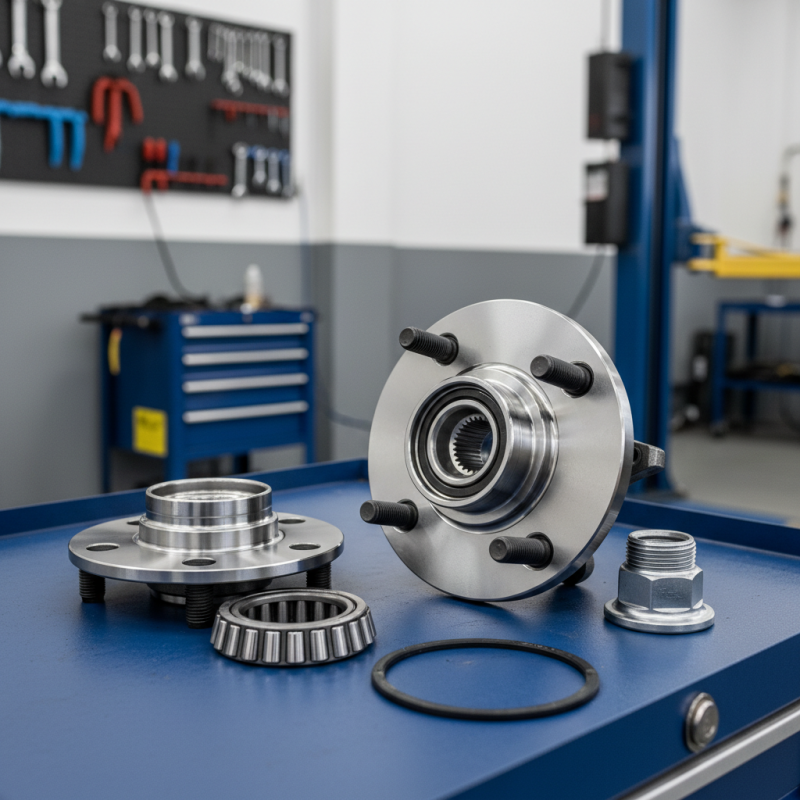
Factors Affecting the Performance of Wheel Hub Assemblies
When selecting a wheel hub assembly, various factors play crucial roles in performance. The materials used in manufacturing impact durability. High-quality steel or composite materials often offer better resistance to wear and tear. However, cheaper alternatives may compromise reliability. It's essential to examine the manufacturing process. Precision engineering ensures a perfect fit, reducing potential issues like vibration or noise during operation. Keep in mind that subpar assembly can lead to significant problems down the line.
Another important aspect is the compatibility with your vehicle's specifications. Each vehicle has unique requirements, including size and load capacity for optimal performance. Incorrect match-ups can result in premature failure or even safety hazards. Beyond that, consider the assembly's seals and bearings. These components should provide a solid seal against dirt and moisture. A faulty seal can lead to contamination, which degrades performance. It’s not uncommon for consumers to overlook these details, leading to costly repairs in the future. Always prioritize quality over price to ensure reliable operation.
Types of Wheel Hub Assemblies: Advantages and Disadvantages
When considering wheel hub assemblies, it's essential to understand the various types available. There are two primary types: sealed and non-sealed. Sealed hub assemblies are pre-greased and sealed for life. This can be an advantage for low-maintenance needs. Data from industry reports indicate that sealed hubs are gaining popularity, with usage increasing by 15% in the last five years. However, their non-repairable nature leads to a complete replacement if any internal damage occurs.
Non-sealed hubs, on the other hand, offer the ability to re-grease and repair. This flexibility can be valuable, especially in heavy-use scenarios. However, this type often requires more maintenance, which may deter some users. Roughly 40% of mechanics recommend non-sealed options for off-road vehicles due to their durability. Yet, these types may face criticism for potential wear from contaminants. Balancing maintenance needs with usage conditions poses challenges for buyers.
Understanding the advantages and disadvantages of each type is crucial. Factors like vehicle usage, performance requirements, and maintenance preferences should guide decisions. Market research highlights that many buyers overlook compatibility issues, leading to mismatched selections. These missteps underline the importance of thorough research before making a purchase.
Advantages and Disadvantages of Different Types of Wheel Hub Assemblies
This chart illustrates the advantages and disadvantages rating of various types of wheel hub assemblies. The ratings are based on factors like durability, cost, performance, and application suitability, providing a comparative overview for potential buyers.
Importance of Bearing Quality in Wheel Hub Assembly Selection
When selecting a wheel hub assembly, bearing quality plays a crucial role in overall vehicle performance. High-quality bearings offer enhanced durability, reducing the risk of premature failure. According to industry reports, the wheel hub assembly market is expected to grow by over 5% annually. This growth highlights the increasing demand for reliable automotive components.
Low-quality bearings can lead to significant issues, such as increased friction and excess heat. These problems not only affect performance but can also compromise safety. Research indicates that nearly 30% of automotive failures can be traced back to poor bearing choices. Thus, investing in superior bearings is essential for long-term reliability and safety.
Tips for selecting bearing quality include checking load ratings and environmental resistance. Inspect seals and lubricants to ensure they meet specifications. Consider sourcing from established suppliers with a proven track record. Additionally, seek out detailed product reviews from trusted sources to gain insights into performance and durability. Remember, a small increase in initial investment can yield substantial benefits in longevity and safety.
What to Consider When Buying Wheel Hub Assembly? - Importance of Bearing Quality in Wheel Hub Assembly Selection
| Dimension | Consideration | Impact on Performance |
| Material Quality | Choose high-grade steel or aluminum for durability. | Reduces wear and enhances longevity of the assembly. |
| Bearing Type | Opt for sealed bearings for maintenance-free operation. | Improves reliability and decreases chances of failure. |
| Fit and Compatibility | Ensure it fits your vehicle model precisely. | Prevents installation issues and enhances performance. |
| Warranty | Look for products with a solid warranty. | Indicates manufacturer confidence in quality. |
| Price | Compare prices but prioritize quality over cost. | Higher quality usually correlates with better performance. |
Impact of Vehicle Make and Model on Hub Assembly Compatibility
When selecting a wheel hub assembly, the make and model of your vehicle play a crucial role. Not all assemblies are universally compatible. Each manufacturer designs components specific to their cars, which can affect fit and performance. For example, a hub designed for one model may not work correctly on another, even within the same brand. This specificity highlights the importance of checking compatibility before making a purchase.
Compatibility extends beyond simple measurements. For instance, different vehicles may use varying types of bearings, seals, or even bolt patterns. These details can impact not only installation but also driving safety and durability. A mismatch can lead to issues like vibrations or premature wear. It's essential to thoroughly research your vehicle’s specifications and manufacturer recommendations.
Consider consulting databases or vehicle service manuals for insights. Engaging with automotive professionals can provide clarity as well. Rushing into a purchase without proper verification can lead to costly mistakes. A focus on your vehicle’s unique requirements will ultimately lead to a more reliable and better-performing hub assembly. Ensure you take time to reflect on the details.
Maintenance Considerations for Long-lasting Wheel Hub Assemblies
Maintaining your wheel hub assembly is crucial for vehicle safety and performance. Regular inspections can help spot signs of wear early. Look for unusual noises or vibrations when you drive. These can indicate that the wheel hub assembly needs attention. A simple test is to spin the wheel and listen closely. If you hear grinding or rumbling, consider a closer look.
Proper lubrication is another key factor. Over time, grease can break down or leak out. This can lead to corrosion or premature wear. If you notice any signs of damage, replacement may be necessary. Keeping the assembly clean from dirt and debris can also prolong its life. Eventually, all hub assemblies wear out, and knowing when to replace them is important.
Some maintenance tasks might feel overwhelming. It's essential to assess your own skills realistically. If you're unsure, seeking professional help can save time and money in the long run. Make a checklist for regular inspections to stay on top of your vehicle's health. By being proactive, you ensure a safer driving experience.
 Skip to content