How to Choose the Right Water Tanker Truck for Your Needs?
Choosing the right Water Tanker Truck is essential for businesses reliant on water transport. In recent years, the water tanker truck market has grown significantly, driven by increasing demand in agriculture, construction, and emergency services. According to a report by MarketsandMarkets, the global water tanker market is projected to reach USD 6.43 billion by 2026.
Selecting a suitable water tanker truck involves understanding specific needs. For instance, a construction site may require a larger capacity vehicle, while a small farm could manage with a smaller model. The capacity, material, and pump system are crucial factors. Many buyers overlook these details, only to realize later that the truck does not meet their operational demands.
It's also important to consider reliability and service after the sale. Not all manufacturers guarantee long-term support. Researching brand reputation, user reviews, and maintenance services helps mitigate risks. Therefore, taking time to analyze options can save significant time and money down the line, ensuring that your choice fits your needs effectively.
Understanding the Types of Water Tanker Trucks Available
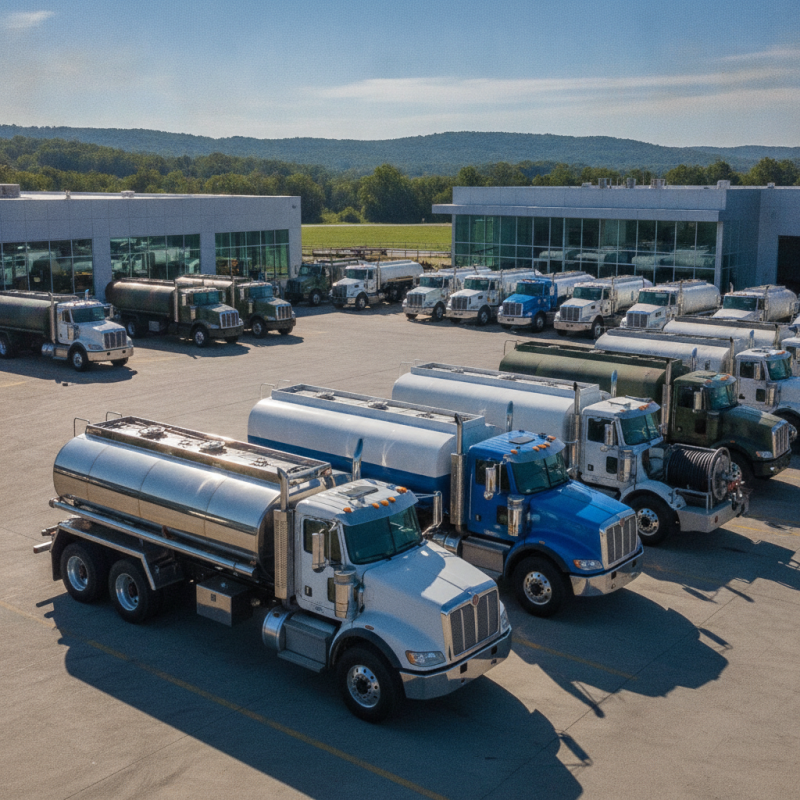
When choosing a water tanker truck, it's essential to understand the various types available. These trucks typically come in several configurations, each designed for specific functions. Common types include potable water tanks, which are used for drinking water transport, and non-potable tanks suitable for irrigation and industrial use.
Potable water tankers must meet health regulations. They often have stainless steel or food-grade polyethylene surfaces. Non-potable tankers, however, can be more versatile. They may feature larger capacities, ideal for agricultural or construction needs. Each type has unique merits, so it's crucial to evaluate the intended use carefully.
Consider the size and capacity required for your operations. Larger tanks are great for extensive applications. However, they may be hard to maneuver in tight spaces. Reflect on whether the truck will be frequently filled or emptied. This can influence the type of pump system you need. Make sure the design of the tanker aligns with specific regulations in your area. Understanding these nuances can help ensure you select the right truck for your operational needs.
Assessing Your Specific Water Transportation Needs
When selecting a water tanker truck, it's essential to assess your specific transportation needs carefully. Understand the volume of water you require. According to the Water Environment Federation, the average residential household uses about 300 gallons per day. For municipalities or construction sites, the demand can significantly increase, sometimes exceeding 10,000 gallons daily.
Evaluate the terrain where you'll be operating. Urban areas may require smaller, nimble trucks, while rural or construction settings might call for larger units. The United States Environmental Protection Agency suggests that about 40% of water transport challenges arise from geographic constraints. A truck's suspension and tire types play critical roles in navigating uneven surfaces.
Finally, consider the water type you'll transport. Potable water has different requirements compared to agricultural or wastewater applications. The American Water Works Association highlights that specialized tanks prevent contamination. This aspect should not be overlooked. Each choice you make will impact your efficiency and compliance with safety standards. Reflecting on these details helps ensure you choose the best option for your particular situation.
Key Features to Consider in Water Tanker Trucks
When selecting a water tanker truck, several key features should guide your decision. Tank capacity is crucial. Most water tankers range from 1,000 to 10,000 liters. Choose a size that meets your needs without overwhelming your vehicle's capacity. Consider not just volume, but weight, too. According to industry reports, a fully loaded tanker can weigh over 30,000 pounds. Ensure your truck can handle this without compromising safety.
The material of the tank also plays a significant role. Stainless steel and polyethylene are common choices. Stainless steel is durable and maintenance-free but can be heavier. Polyethylene is lightweight and corrosion-resistant. Each material has pros and cons depending on your specific use case, such as transporting potable water or industrial fluids. Make sure to assess installation and operational costs associated with each type.
Pumping and distribution systems are often overlooked. Efficient pumps reduce time spent on deliveries. Many trucks come with options for pumps that can deliver up to 1,000 gallons per minute. However, complex systems may require more maintenance. Always weigh the long-term reliability of these features against short-term benefits. Understanding your unique needs will guide you to a solution that minimizes operational challenges.
How to Choose the Right Water Tanker Truck for Your Needs? - Key Features to Consider in Water Tanker Trucks
| Feature | Description | Importance |
| Tank Material | Common materials include stainless steel, aluminum, and polyethylene. Each has different durability and weight characteristics. | High |
| Tank Capacity | Capacity ranges typically from 1,000 to 5,000 gallons. Assess your transportation needs accurately. | High |
| Pump System | Consider the type and flow rate of the pump. Electric and hydraulic pumps have different efficiencies and maintenance needs. | Medium |
| Chassis Type | Choose between single axle, tandem axle, or custom chassis depending on load requirements and transport conditions. | High |
| Discharge System | Different options include hoses or valves that impact discharge speed and ease of use. | Medium |
| Regulations Compliance | Ensure the truck meets local and state regulations for water transport to avoid fines. | High |
| Cost | Consider both initial purchase cost and long-term maintenance expenses when budgeting. | High |
Evaluating Cost and Budget for Water Tanker Purchase
When evaluating the cost and budget for a water tanker purchase, consider various factors. Assess the upfront costs, maintenance, and operational expenses. A water tanker truck can range greatly in price based on its size, capacity, and features. Identify how much water you need to transport regularly. Smaller trucks may suffice for local deliveries, while larger models are better for extensive operations.
Consider the long-term costs too. Maintenance can be an unexpected expense, especially if parts need replacement. Fuel efficiency plays a crucial role in calculating ongoing operational costs. Determine if a new or used tanker fits your budget. A used truck might save money initially but could lead to higher repair costs later.
Don’t forget about additional features. Some trucks may offer advanced technology for monitoring water levels and optimizing routes. Weigh whether these features are essential for your operations. It’s essential to strike a balance between upfront investment and future savings. Reflect on your needs and future projections to make an informed choice. Each decision impacts your budget significantly.
Maintenance and Longevity Factors for Water Tanker Trucks
When selecting a water tanker truck, maintenance and longevity are crucial factors. Regular inspections can prevent costly repairs. Pay attention to the truck’s engine, brakes, and hydraulic systems. These components are vital for safe and efficient operation. A maintenance routine can extend the life of the vehicle and enhance reliability.
Flushing the tank is essential for hygiene. Not all tanks are designed for quick cleanouts. Some require manual scrubbing, which can be tedious. Failing to clean the tank can lead to contamination. This not only affects the water quality but also increases wear on the tank itself. Regular cleaning will help avoid such issues.
Consider the materials used in construction. Stainless steel offers greater corrosion resistance. However, it may also be heavier and more expensive. Lightweight alternatives can reduce fuel costs but might not last as long. Balancing durability with weight is key for effective operation. Evaluate these aspects carefully, as they can affect long-term performance.
 Skip to content