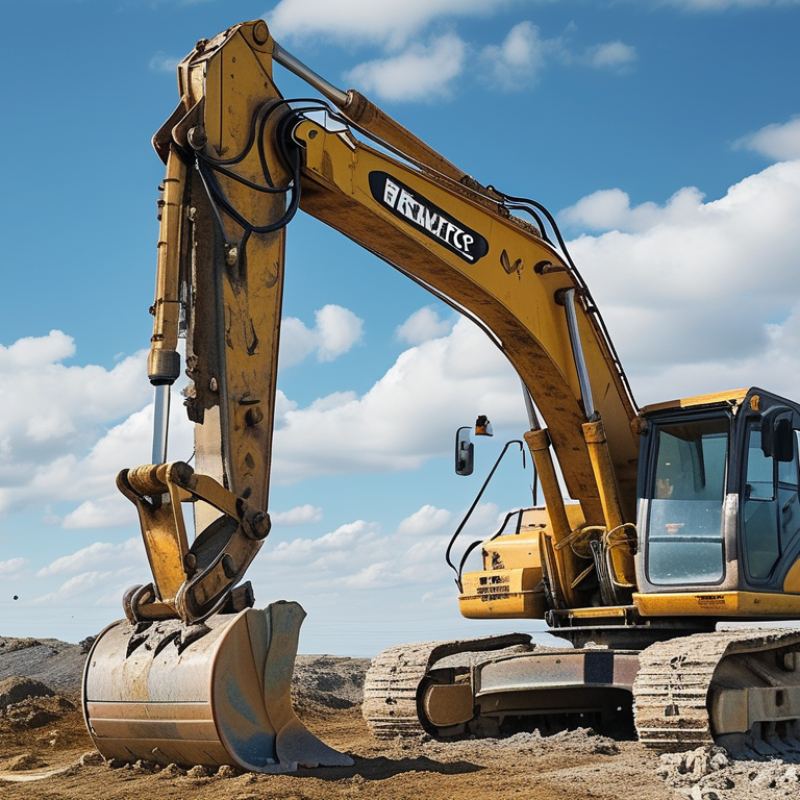
How to Choose the Right Static Pile Driver for Your Project?
Choosing the right Static Pile Driver for your project is crucial. This decision impacts efficiency and safety. Different projects have unique requirements. Understanding these variances is not easy. The wrong choice can lead to costly delays.
Static pile drivers come in various types and models. Each is designed for specific applications. Site conditions, soil type, and load capacity all play a role. For instance, a heavy-duty driver might be necessary for rocky terrains. Light models could suffice for softer ground.
It's important to assess your needs carefully. Rushing a decision may result in complications. Evaluate key factors meticulously. Consult with experts when in doubt. They can offer valuable insights into performance and reliability. When selecting a Static Pile Driver, precision matters. A thoughtful approach will lead to better project outcomes.
Understanding Static Pile Drivers: Types and Functions
When selecting a static pile driver for a construction project, understanding the types and functions of these machines is crucial. Static pile drivers use hydraulic or mechanical means to push piles into the ground. They are essential for creating a stable foundation for various structures. Among the main types, there are the hydraulic, mechanical, and high-frequency drivers. Each type serves different soil conditions and project requirements.
For instance, according to the International Association of Foundation Drilling, hydraulic static pile drivers are known for their efficiency in soft soil. They produce less noise and vibration, making them suitable for urban projects. On the other hand, mechanical drivers may work better in harder soils, despite generating more noise. Understanding these nuances helps in choosing the right equipment for specific needs.
Tip: Evaluate your project's soil conditions before making a decision. Soil testing can reveal valuable information. This can save time and money in the long run.
It's also essential to consider the lifting capacity of the pile driver. Some projects may require heavier loads, while others might not. Ignoring this aspect can lead to unexpected challenges during construction.
Tip: Always consult with a structural engineer. Their expertise will guide you in making well-informed choices.
Static Pile Driver Performance Comparison
Key Factors to Consider When Selecting a Static Pile Driver
When choosing a static pile driver, several key factors come into play. The project’s scale is crucial. For smaller jobs, a compact driver may suffice. Larger projects, however, need more powerful and robust equipment. Consider the soil conditions as well. Harder soils require drivers with higher energy output. Softer soils might allow for lighter models.
Cost is another important consideration. High-quality drivers may come with a higher price tag. Evaluate your budget and prioritize essential features. Equipment weight matters too. Heavier drivers may be more effective but can lead to logistical issues. Additionally, assess the ease of transport and setup.
Finally, think about the driver’s reputation in the industry. Research reviews and seek feedback from other professionals. This can offer insights into reliability and performance. It’s vital to ensure you choose a driver that meets long-term needs. Balancing these factors is not always straightforward but is necessary for project success.
Assessing Project Requirements for Pile Driving
When evaluating project requirements for pile driving, understanding the site conditions is crucial. Soil type, load-bearing capacity, and water table levels significantly affect the choice of a static pile driver. For instance, sandy soils may require a different approach compared to clay soils. It's essential to assess these factors to avoid costly mistakes later.
Tips: Always conduct a thorough soil analysis before selecting equipment. Engage a geotechnical engineer to provide accurate insights.
Another critical aspect is the project size and scale. Smaller projects may benefit from lighter, more portable static pile drivers, while larger operations could necessitate heavy-duty options. Assessing the project timeline is also vital. Equipment availability and shipping times can impact your schedule. Delays in pile driving can lead to significant setbacks in project completion.
Tips: Create a timeline that includes equipment procurement. Include buffer times for unexpected delays. Ensure all team members are on the same page regarding deadlines.
Finally, consider safety requirements. Ensure that your chosen equipment meets local safety standards. This minimizes risks for operators and site workers. Balancing efficiency and safety will lead to a smoother operation. Each decision should reflect a careful evaluation of your project’s unique needs.
Evaluating Manufacturer Reliability and Equipment Quality
When selecting a static pile driver, evaluating the manufacturer's reliability is crucial. Research shows that 60% of project delays are linked to equipment failure. Partnering with a reputable manufacturer can mitigate these risks. Their track record often indicates robustness and durability in their machines. Investigating sustainability practices adds another layer to reliability. A manufacturer committed to environmentally friendly operations may ensure higher-quality production processes.
Quality doesn’t end with purchasing equipment. Regular maintenance and support are vital. Reports indicate that poorly maintained machinery can cost projects up to 30% more over time. It’s essential to choose manufacturers that offer comprehensive service agreements. Peer reviews and testimonials can provide insights into the effectiveness of their support. Often, it is the underdog companies that may slip through the cracks, but they can provide competitive alternatives.
Importantly, consider the materials and technologies used in manufacturing. Advanced materials often enhance machine longevity and effectiveness. However, not all innovative features translate to improved performance. Scrutinize the feedback on new technological aspects before finalizing a decision. With various options available, manufacturers must demonstrate a commitment to excellence and continual improvement. Balancing innovation with proven reliability is essential for project success.
Budgeting for Your Static Pile Driver Purchase or Rental
When budgeting for a static pile driver, first assess your project's needs. Understand the site conditions and the anticipated workload. This will help you determine the type of pile driver required. Costs vary significantly depending on size and specifications. Rental options often provide a more flexible budget approach, especially for short-term projects.
Consider hidden costs, too. Transportation fees and site mobilization can add up. Inspecting equipment for maintenance issues before purchase or rental is wise. You might save money by opting for pre-owned equipment. But keep in mind that used machines might require more repairs.
While it's crucial to stick to your budget, be cautious about cutting corners. Investing in quality equipment can lead to smoother project execution. Re-evaluating your budget regularly ensures you account for any unforeseen expenses. Thorough planning enhances reliability and performance on the job site.
How to Choose the Right Static Pile Driver for Your Project? - Budgeting for Your Static Pile Driver Purchase or Rental
| Feature | Description | Estimated Cost (Purchase) | Estimated Cost (Rental per Day) |
| Type | Heavy-duty hydraulic pile driver | $100,000 | $1,500 |
| Capacity | Capable of driving piles up to 30 meters deep | $120,000 | $1,800 |
| Mobility | Tracked mobility for various terrains | $150,000 | $2,000 |
| Power Source | Diesel-powered generator | $95,000 | $1,200 |
| Attachments | Available with various driving heads | $110,000 | $1,600 |
 Skip to content