Skip to contentChoosing a Pemf Foot Machine in 2026 requires more than comparing prices and attractive product photos. The right device should match your goals, daily routine, comfort needs, and realistic expectations. A compact model may fit beside a desk, while a larger unit could require dedicated floor space. Before buying, examine the waveform, intensity range, session controls, coil arrangement, warranty, and manufacturer support. These details often matter more than a dramatic wellness promise.
Real-world use also deserves attention. Can you place both feet comfortably on the platform? Are the controls readable without bending down? Does the machine remain stable on carpet or hardwood? Small design choices can shape whether a device becomes part of your routine or gathers dust. I would also check published technical information and independent customer feedback, rather than trusting testimonials alone. Evidence for PEMF products can vary by condition and device, so responsible guidance should avoid presenting them as guaranteed treatments. Speak with a qualified healthcare professional if you have an implanted electronic device, are pregnant, or manage a significant medical condition.
This guide compares the practical features that separate a useful Pemf Foot Machine from an expensive disappointment. It considers portability, operating noise, cleaning, energy use, safety information, and long-term value. Some specifications remain difficult to compare across brands. That is worth admitting. A lower price may look appealing, yet poor instructions or weak support can create frustration later. By asking precise questions before purchase, readers can choose more confidently and use the equipment with sensible expectations.
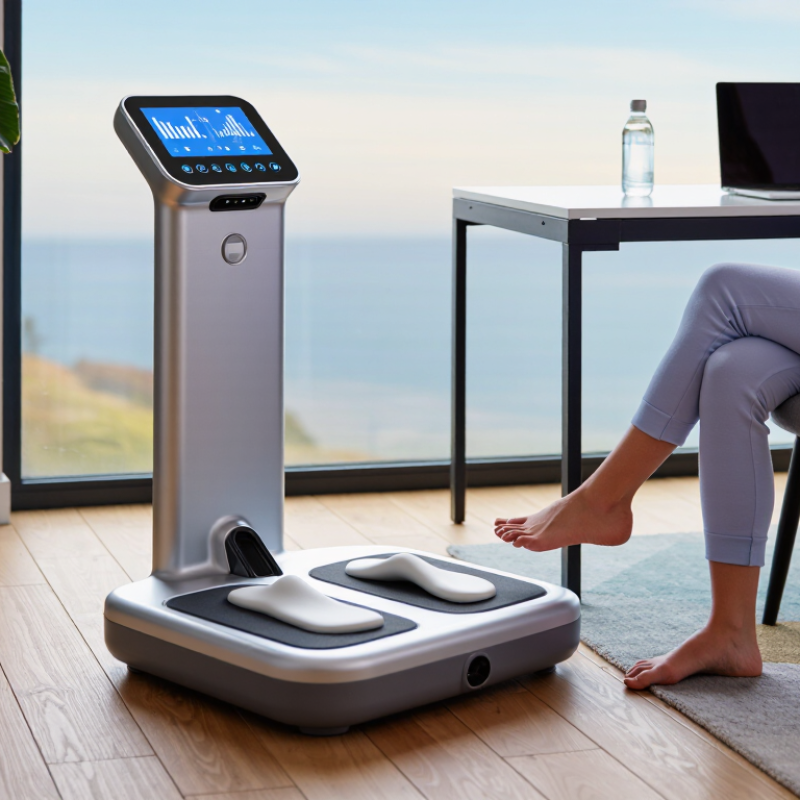
A PEMF foot machine uses pulsed electromagnetic fields to create changing magnetic signals around the feet. Coils inside the platform generate these pulses. The fields can pass through socks, skin, and soft tissue without producing heat or vibration.
When the magnetic field changes, it may induce very small electrical currents in nearby tissues. Researchers are studying how these signals could influence cellular activity, pain perception, and local blood flow. However, results vary between studies. PEMF is not a guaranteed treatment, and its effects may depend on frequency, intensity, session length, and individual health.
Look for clear technical specifications. A reliable machine should state its frequency range, magnetic flux density, waveform, and timer settings. Independent safety testing also matters. In practical use, the foot area should fit comfortably, with no sharp pressure points or confusing controls. Keep the first session short. Notice warmth, discomfort, dizziness, or skin changes.
I would not choose a device only because it offers the strongest field. Stronger is not automatically better. A clinician’s advice is sensible for people with implanted electronic devices, pregnancy, circulation problems, seizures, or unexplained foot pain. PEMF may support a wellness routine, but it should not replace diagnosis or prescribed care. The evidence is promising in some areas, yet still incomplete. That uncertainty deserves attention.
How to Choose a PEMF Foot Machine in 2026?
Identifying Your Personal Health and Wellness Goals
Choosing a PEMF foot machine should begin with your personal wellness goal, not its appearance or price. Ask what you want to support: relaxation, post-exercise recovery, circulation comfort, or a calmer evening routine. Be specific. “Better health” is too vague to guide a sensible purchase.
Write down your current routine for one week. Note when your feet feel tired, cold, restless, or uncomfortable. Record your activity, sitting time, sleep, and stress levels. This simple log creates a useful baseline. It also prevents exaggerated expectations. PEMF may support comfort for some users, but it should not replace medical diagnosis or prescribed treatment.
Consider your practical needs, too. Will you use the device beside a desk or near your bed? Can you follow the recommended session length? Look for clear instructions, adjustable settings, cleaning guidance, and transparent safety information. Ask a qualified healthcare professional before use if you are pregnant, have an implanted electronic device, or manage a serious medical condition. Some product claims sound impressive, yet independent evidence may remain limited. That uncertainty matters.
Start cautiously. Use the lowest suitable setting and monitor how your body responds. Keep a short diary after each session. Notice discomfort, skin changes, dizziness, or unusual symptoms. Stop if something feels wrong. A smaller, consistent goal may serve you better than chasing dramatic results. I would rather revise an honest plan than trust a promise that cannot be measured.
| Personal Goal | Features to Prioritize | Useful Specifications to Check | Practical Selection Guidance | Evidence and Safety Notes |
|---|---|---|---|---|
| General relaxation and wellness | Simple controls, comfortable foot placement, low operating noise, and an automatic timer. | Adjustable session length; a clearly stated magnetic-field strength; easy-to-read controls. | Choose a device that is easy to use consistently rather than selecting the highest advertised output. | PEMF is not a substitute for sleep, exercise, stress management, or medical care. Wellness benefits can vary between individuals. |
| Post-exercise recovery | Portable design, repeatable programs, adjustable intensity, and a timer that can be set for short sessions. | Confirm whether intensity is listed in gauss or millitesla; 1 millitesla equals 10 gauss. Check whether the stated value is peak or average field strength. | Prioritize clear specifications and comfortable use after activity. Avoid comparing products by frequency alone. | PEMF settings are not standardized across devices, so two machines with the same frequency may produce different exposures. |
| Foot comfort after prolonged standing | A broad treatment area, stable base, ergonomic surface, and a design that does not create pressure points. | Check the usable foot area, device height, surface material, cleaning instructions, and maximum user weight if applicable. | Measure your available floor space and select a model that allows both feet to rest naturally inside the treatment zone. | Persistent swelling, numbness, skin color changes, or unexplained pain should be assessed by a qualified healthcare professional. |
| Targeted therapeutic use | Documented regulatory status, written operating instructions, treatment records, and professional guidance. | Verify the exact intended use, treatment site, prescribed schedule, field-strength measurement method, and maintenance requirements. | Select only a device whose authorized or cleared use matches your clinical situation; do not infer approval from general PEMF claims. | Some PEMF systems have specific medical indications, while others are marketed only for general wellness. Follow clinician instructions. |
| Travel and occasional use | Lightweight construction, protective storage, universal voltage compatibility where relevant, and simple setup. | Check device weight, folded dimensions, power requirements, cable length, and whether the controller is detachable. | A compact device is useful only if its treatment area and controls remain suitable for your intended routine. | Inspect the power supply and cables before each use. Do not operate damaged electrical equipment. |
| Shared household use | Easy-to-clean surfaces, separate user settings, clear operating limits, and a design that supports different foot sizes. | Look for wipeable materials, removable covers if provided, user-specific program storage, and straightforward sanitation instructions. | Choose a model with controls that reduce accidental setting changes and keep a written record of each user’s settings. | Do not share a device when a user has an open wound or contagious skin condition unless a healthcare professional confirms it is appropriate. |
| Users with medical devices or special conditions | Clear contraindication information, accessible technical support, and the ability to pause treatment immediately. | Review electromagnetic-compatibility warnings, recommended distance from implants, pregnancy guidance, and other medical precautions. | Obtain medical advice before use if you have an implanted electronic device, are pregnant, have a seizure disorder, or are receiving treatment for a serious condition. | PEMF may interfere with some implanted electronic devices. Stop use and seek medical advice if unusual symptoms occur. |
Important: PEMF foot machines differ substantially in design and output, and advertised specifications are not always measured in the same way. This guide is for general information and does not replace professional medical advice.
A PEMF foot machine should be judged by its magnetic field, not its display or dramatic promises. Low-frequency pulsed fields are common, while waveform and intensity controls vary widely. Check whether specifications list frequency, intensity, pulse shape, and duty cycle clearly. If they do not, comparison becomes guesswork.
Coverage matters at least as much as power. A narrow pad may stimulate the soles but leave the ankles untouched. Larger platforms can cover both feet evenly, yet they may consume more space and feel less portable. Look for independent coil placement details, not just “full-foot” wording. During a practical test, place both feet naturally on the surface. Cold spots, pressure points, or uneven vibration deserve attention. Small details matter.
Settings should support gradual use. A useful machine may offer several frequencies and intensity steps, with a timer that prevents accidental overuse. More options are not automatically better. Clinical evidence for PEMF varies by condition, and consumer devices may not match research equipment. My comparison method is not flawless; laboratory measurements and home comfort can disagree. That is why I would record session length, foot position, comfort, and any unusual sensation. People with implanted electronic devices, pregnancy concerns, or significant medical conditions should ask a qualified clinician before use.
Safety should guide the purchase, not bright displays or impressive intensity claims. A dependable PEMF foot machine should include an automatic timer, adjustable intensity, stable foot placement, and an accessible power switch. An emergency shutoff is even better. Check the cable and plug carefully. They should feel solid, not loose or cheaply finished.
Certifications need closer attention. Look for recognized electrical safety testing and clear documentation from independent laboratories. A certification logo alone proves little. Verify the certificate number, testing scope, and applicable market requirements. The user manual should explain electromagnetic output, cleaning, maintenance, and possible contraindications. People with implanted electronic devices, pregnancy concerns, or serious medical conditions should ask a qualified clinician before use.
Ease of use matters during real routines. Controls should be readable without bending repeatedly, and the display should show time and intensity clearly. A smooth surface is easier to clean after bare-foot sessions. I once assumed more settings meant better value. That was not always true; confusing controls can reduce regular use. Start with a low setting and follow the instructions, rather than copying another person’s routine. Also check warranty terms, customer support, and return conditions. These details are easy to ignore, yet they reveal how responsibly the product is presented. No device is risk-free. A careful review still leaves room for doubt.
A reliable choice begins with total cost, not the advertised price. Include shipping, replacement pads, electricity, and possible return fees. A low-cost unit can become expensive when accessories are proprietary or short-lived. Ask for written specifications, realistic output ranges, and clear maintenance instructions.
Medical decisions require qualified advice; a foot machine should not replace diagnosis or prescribed care.
Durability appears in practical details. Check the casing, cable connections, controller buttons, and cleaning requirements. A device used daily should tolerate repeated setup without loose plugs or cracked surfaces. Look for measurable warranty terms, not vague promises. The coverage period, repair process, shipping responsibility, and excluded damage should be easy to find.
Read every exclusion. That part is often overlooked.
User support can matter more than a polished display. Before buying, send a specific question about session settings or troubleshooting. Notice the response time and technical clarity. Helpful staff should explain operation without promising medical results. Independent reviews can reveal recurring faults, but they may reflect unusual use or outdated firmware.
I would keep screenshots of specifications and receipts. Still, documentation is not proof of perfect service. A generous warranty may become frustrating if support is slow, overseas, or difficult to reach. Ask whether replacement parts remain available after the warranty ends. A machine that works well today may be harder to maintain later.