How to Choose the Right Decking Lag Bolts for Your Project?
Choosing the right Decking Lag Bolts is essential for ensuring the durability and stability of any decking project. According to industry reports, improper fasteners can lead to structural failures. In fact, nearly 30% of deck-related accidents are linked to inadequate fastening methods. This highlights the importance of selecting appropriate decking lag bolts.
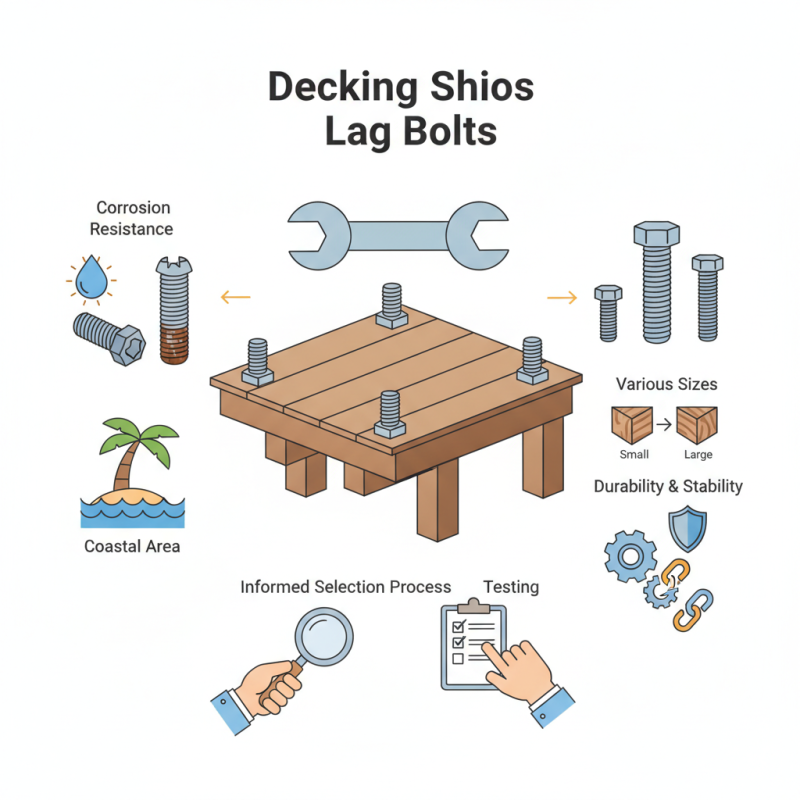
Decking lag bolts serve as the backbone of a secure structure. They come in various sizes and materials, making informed choices crucial. For instance, corrosion-resistant bolts are vital in coastal areas. These specifics can dramatically affect the longevity of your deck. Yet, many DIY enthusiasts overlook these details, leading to frustrating outcomes.
Professional builders often emphasize the need for a thorough understanding of decking lag bolts. They recommend testing different combinations in low-stress areas before final installation. This trial-and-error approach may feel tedious but is essential for long-term success. The quality of your fasteners can make or break a project, warranting an informed selection process.
Understanding Decking Lag Bolts: Types and Their Applications
When selecting the right decking lag bolts, understanding their types is crucial. There are several varieties available. Common options include carbon steel, stainless steel, and galvanized bolts. Each type serves a specific application and has unique characteristics. Stainless steel is known for its corrosion resistance, making it suitable for coastal areas. Carbon steel is strong but requires protective coatings to resist rust.
The length and diameter of lag bolts also matter. Longer bolts can provide stronger holds, especially in thicker materials. However, using bolts that are too long might split the wood. The diameter affects the load-bearing capacity. A thicker bolt can support more weight, but it may be unnecessary for lighter projects. Always assess your project’s needs to determine the right bolt size.
Choosing lag bolts can be challenging. It's important to consider environmental factors and material types. Don’t overlook the potential for rust or corrosion. Reflect on your design and choose a high-quality bolt. Investing in the right type can enhance the longevity of your decking project. Engaging with professionals or researching online can help you make informed decisions.
Key Factors in Selecting the Right Size for Decking Lag Bolts
Choosing the right size of decking lag bolts is crucial for your project. Understanding the load-bearing requirements can guide your selection. The length of the lag bolt should penetrate the wood frame adequately. Typically, a minimum of 1.5 inches is needed for secure anchoring. This ensures that the deck will withstand weight over time.
The diameter of the bolt is also important. Lag bolts typically range from 3/8 inch to 1/2 inch. Thicker bolts can handle more weight but may require pre-drilling. It’s essential to strike a balance. Too thick might split the wood, while too thin could compromise stability. It's worth noting that the type of wood affects bolt choices. Denser woods may require larger bolts.
Some may skip calculations, assuming a standard size will suffice. This often leads to regret when the deck shows signs of weakness. Always reconsider your choices based on materials and conditions. The environment can also play a role. Wet or humid climates might lead to faster wear, increasing the need for stronger bolts. Make informed decisions for lasting results.
Decking Lag Bolts Size Selection
Material Choices for Decking Lag Bolts: Steel vs. Stainless Steel
Choosing the right material for decking lag bolts is crucial for the longevity and safety of your project. Steel and stainless steel are the two primary options. Steel lag bolts are strong and often more affordable. However, they are prone to rust, especially in humid environments. In fact, a study by the American Institute of Steel Construction indicates that untreated steel can corrode within a few months if exposed to moisture.
On the other hand, stainless steel lag bolts resist corrosion much better. They contain chromium, which forms a protective layer against rust. According to the Southern Pine Council, using stainless steel can double or even triple the lifespan of deck hardware in coastal areas. Despite this advantage, stainless steel can be more expensive, which may not fit every budget.
It's important to weigh the cost against the benefits. While steel may seem like a cost-effective choice, the potential for rust can lead to more frequent replacements. Ultimately, the choice may depend on your local climate and the specific demands of your decking project. Costs are important, but reliability matters too.
How to Choose the Right Decking Lag Bolts for Your Project?
| Material | Corrosion Resistance | Cost | Strength | Common Uses |
| Steel | Low (rusts easily) | $ | High | General construction |
| Stainless Steel | High (corrosion-resistant) | $$$ | High | Outdoor and marine applications |
Load-Bearing Capacity: How to Determine the Right Strength of Lag Bolts
When selecting lag bolts for decking, understanding load-bearing capacity is crucial. The strength of these fasteners determines how well they support weight. Incorrect choices can lead to structural failures, causing injuries or property damage. Start by calculating the total weight that the deck will hold, including people, furniture, and additional loads. This gives a clear picture of the necessary strength for the lag bolts.
Next, consider the material of your deck framework. Wood, metal, and composite materials have different properties that affect how load is distributed. For instance, treated lumber may require different bolts than aluminum. Ensure the bolts used are coated or made to resist corrosion if the deck is in a high-moisture area.
Also, the size and length of the lag bolts matter significantly. A bolt that is too short won't secure properly. A bolt that's overly long can compromise nearby structures. Each project has unique demands, and you may need to revisit your initial calculations. Regularly test your choices against the expected loads. The right decision is critical for your deck's safety and longevity.
Installation Techniques: Ensuring Proper Use and Maximum Durability
When installing decking, the choice of lag bolts is critical. Ensuring proper installation techniques can significantly influence durability. Start by choosing lag bolts made from corrosion-resistant materials. Stainless steel or coated options are ideal for outdoor projects. This choice prevents rust, which might compromise the structural integrity over time.
During installation, ensure that you drill pilot holes. This reduces the risk of splitting the wood. An incorrect drill size can lead to instability. Over-tightening can also cause damage, as it may strip the wood. Aim for a snug fit, allowing for slight movement within the decking material. Inspect the installed lag bolts regularly for signs of wear or corrosion.
Proper spacing of lag bolts is crucial. Placing them too close together can weaken the wood. Follow guidelines specific to your decking material. Using inconsistent lag bolt lengths can cause uneven wear. Take time to strategize your installation plan for optimal results. Each step matters when aiming for a durable, lasting deck.
 Skip to content