How to Choose the Best Stainless Steel Stair Treads for Safety?
Choosing the right Stainless Steel Stair Treads is crucial for safety. According to industry expert John Anderson, "Properly selected stair treads can significantly reduce accidents." This underscores the importance of understanding what features enhance safety and durability.
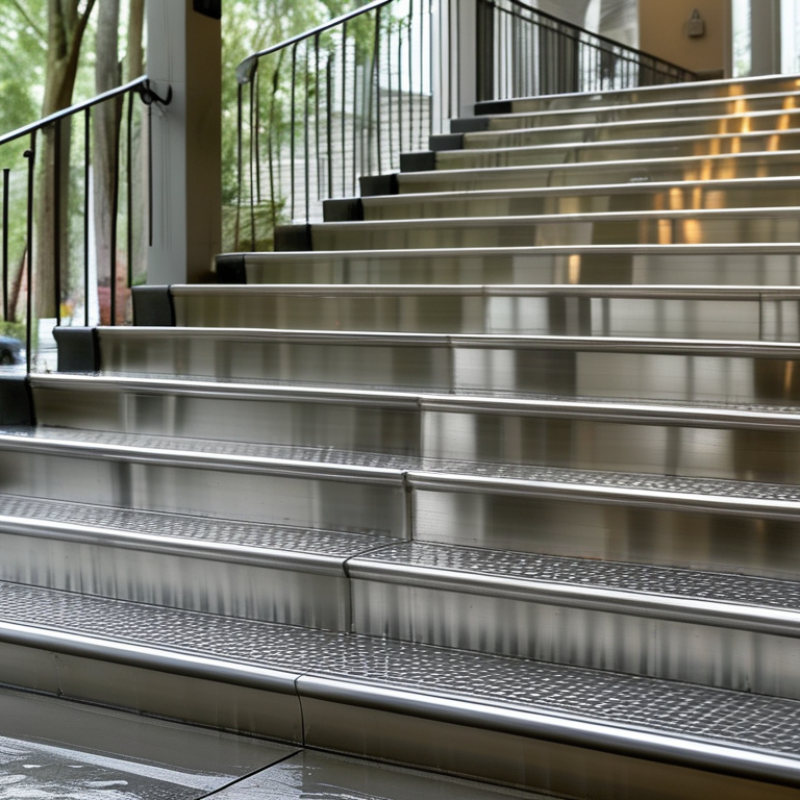
Stainless Steel Stair Treads offer numerous benefits, but not all options are created equal. Factors like slip resistance, thickness, and design must be considered. For instance, treads with a textured surface greatly improve grip, especially in high-traffic areas.
However, it's essential to recognize that not every tread will meet your specific needs. Some may be overly polished, making them slippery in wet conditions. Reflecting on past projects often reveals that the wrong choice can lead to hazards. Therefore, careful evaluation and informed choices are vital for ensuring safety.
Understanding the Importance of Safety in Stair Design
Stairs play a crucial role in building design, yet safety often takes a backseat. According to the National Safety Council, falls account for over 8 million emergency room visits annually, with stairs being a significant contributor. Proper stair design can mitigate these risks significantly. When considering materials, stainless steel stair treads provide a durable and slip-resistant option that enhances safety.
Understanding the impact of texture on stair design is essential. Research shows that adding a non-slip surface to stair treads can reduce slips by up to 50%. Stainless steel treads can be outfitted with various finishes, creating a surface that helps prevent accidents. However, not all stainless steel stair treads offer the same safety features. It's essential to choose options that have been certified for slip resistance.
Lastly, illumination and visibility also matter. The American National Standards Institute recommends adequate lighting and contrasting colors for stair edges. These details can prevent accidents in what might seem like a minor design oversight. Even with these measures, it’s crucial to regularly assess the wear on stair treads and their safety features. Regular maintenance can reveal potential hazards before they become major issues. Balancing aesthetics with safety in stair design should always be a priority.
Types of Stainless Steel Stair Treads Available on the Market
When selecting stainless steel stair treads, understanding the types available is crucial for safety. Stainless steel treads come in various designs, including ribbed, serrated, and plain finishes. Ribbed treads provide excellent traction with their textured surfaces. According to the Occupational Safety and Health Administration (OSHA), slip-resistant surfaces can significantly reduce accidents.
Serrated treads feature raised edges that enhance grip, particularly in wet environments. Studies show that over 20,000 slip-and-fall injuries occur annually in the U.S. alone, highlighting the importance of choosing the correct tread type. Plain stainless steel treads, while sleek, may not offer the same level of safety but are aesthetically appealing for indoor use.
Tips: Always consider where the treads will be used. For outdoor stairs, opt for ribbed or serrated styles to prevent slips. Check that chosen products meet ANSI and ASTM standards for safety. Regular maintenance can also enhance their effectiveness by preventing buildup that might reduce traction.
Types of Stainless Steel Stair Treads Available on the Market
Key Features to Look for in Safe Stainless Steel Stair Treads
Choosing the right stainless steel stair treads is critical for safety. Key features are essential to ensure both security and comfort. Industry reports indicate that slip-and-fall accidents account for over 30,000 injuries annually in the U.S. alone. The right treads can significantly reduce these incidents.
One feature to consider is the tread's texture. A high-friction surface enhances grip. The National Safety Council emphasizes that materials with a coefficient of friction of 0.6 or higher are preferable. Additionally, you should look for treads that offer corrosion resistance. Exposure to moisture can lead to rust, compromising safety.
Another important aspect is the tread's size and visibility. Ideal treads have an adequate depth and width to accommodate different foot sizes. Bright or contrasting colors improve visibility, especially in low-light areas. This attention to detail can make a considerable difference in safety. However, many fail to evaluate these characteristics thoroughly, leading to regrettable outcomes.
Installation Considerations for Maximum Safety and Durability
When selecting stainless steel stair treads, safety and durability are paramount. Installing the right treads can significantly reduce the risk of slips and falls. According to the National Safety Council, falls are a leading cause of unintentional injuries, making effective safety features essential. Stainless steel treads come in various finishes and designs, each contributing differently to grip and aesthetics.
Proper installation is crucial. Ensure that treads are securely fastened to the stairs to prevent shifting. Use high-quality adhesive and fasteners suited for outdoor or high-traffic areas. Installing strips with an anti-slip surface can enhance traction, particularly in wet conditions. It’s often suggested to utilize treads that extend slightly beyond the edge to create a visual cue, enhancing safety.
Tip: Maintain the treads regularly to prevent rust and maintain grip. Check for wear and replace as needed. Adverse weather and heavy usage can wear down surface coatings.
While stainless steel is durable, its cost and maintenance can be debated. Some may question whether the investment justifies the longevity and safety benefits. Analyzing individual needs and conditions is essential when making a choice. Consider local climate and foot traffic to determine the best approach.
Maintenance Tips to Ensure Long-lasting Safety of Stair Treads
When selecting stainless steel stair treads, maintenance is key for long-lasting safety. Regular inspections are a must. Check for signs of wear, rust, or damage. Even the best materials can show deterioration over time. Small scratches can harbor moisture, leading to corrosion.
Cleaning your treads regularly helps maintain their slip-resistant properties. Use a mild detergent and a soft brush. Avoid harsh chemicals; they can damage the finish. For tougher stains, a non-abrasive cleaner may be necessary. After cleaning, ensure the area is dry before use.
Consider the environment where the treads are installed. Areas with heavy foot traffic may need more frequent upkeep. If your treads are exposed to harsh weather, protect them with a weather-resistant coating. Remember: neglecting maintenance can lead to unsafe conditions. Ensure your stair treads remain safe and functional for everyone.
 Skip to content