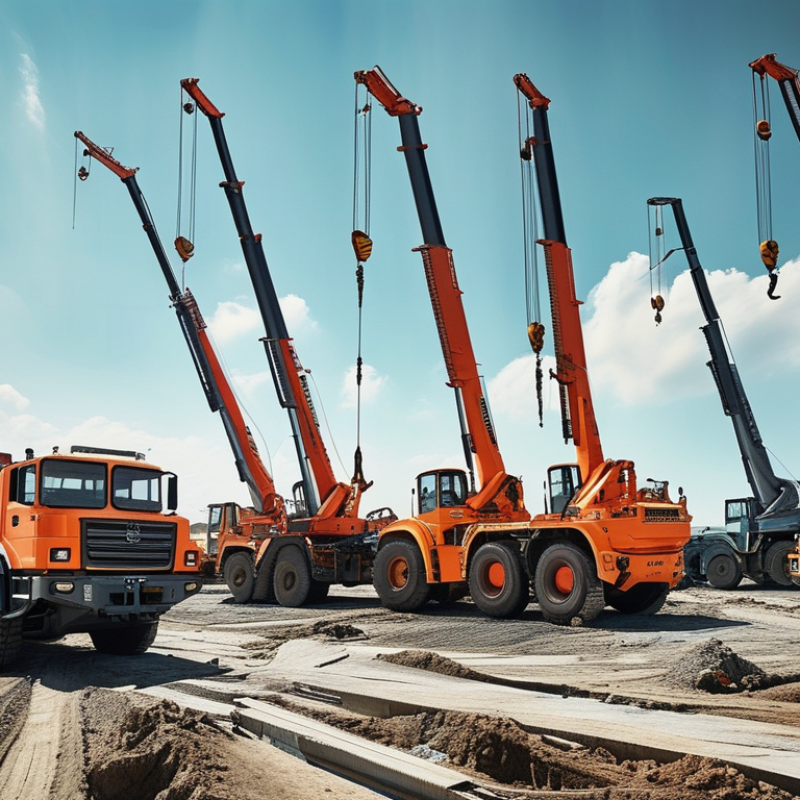
How to Choose the Best Hydraulic Truck Crane for Your Needs?
Choosing the right Hydraulic Truck Crane can be a daunting task. With various models and features available, understanding your specific requirements is crucial. These cranes are essential for lifting heavy loads in construction and industrial settings. Consider your lifting capacity needs carefully.
Every project is different, and so are your needs. A Hydraulic Truck Crane must match the weight and height specifications of your tasks. Take into account the terrain where you'll operate. Some cranes excel in rough environments, while others are designed for flat surfaces.
Inspect the crane's features. Modern trucks come with advanced technology like load monitoring systems. However, overly complicated controls can lead to confusion. Reliability is also vital; a crane must perform consistently under pressure. Remember, the best choice reflects a balance of quality, efficiency, and your unique operational requirements.
Understanding Your Lifting Requirements and Capacity Needs
When selecting a hydraulic truck crane, understanding your lifting requirements is crucial. Each project comes with specific needs concerning weight, height, and reach. Assess the type of materials you'll be lifting. Are they heavy steel beams or lighter construction materials? This assessment will guide you in determining the lifting capacity you require. Remember, a crane's ratings often reflect optimal conditions, so consider the real-world variables you might encounter.
Tips: Always consult with an experienced operator. Their insights can reveal practical limitations that specifications might overlook. Understand the terrain where you'll work. Inclined or soft ground will affect crane stability.
Capacity is not the only consideration. The height you need to reach plays a significant role. If your project involves multi-story buildings, ensure the crane can handle your vertical requirements effectively. Weight distribution is also key. An unstable load can lead to accidents.
Tips: Check for floating capacity and counterweight configurations. Adjusting these can enhance performance under challenging conditions. Don't shy away from seeking professional advice. Understanding the technical specifications requires experience, which can be daunting for first-time users.
Evaluating Different Types of Hydraulic Truck Cranes
When evaluating different types of hydraulic truck cranes, it’s essential to consider specific characteristics. These cranes come in various models, each designed for unique tasks. Smaller models are ideal for tight spaces, while larger cranes can lift heavier loads. Understanding your project's requirements is vital.
Payload capacity is a key factor. Every crane has a limit to what it can lift safely. Exceeding this limit can lead to accidents. Operators must be familiar with load charts provided by manufacturers. These charts outline safe operating conditions and help prevent mishaps on the job.
Another important aspect is mobility. Some cranes are mounted on trucks, allowing for easy transportation. Others may require additional equipment to move. Assess your worksite and determine if ease of transport aligns with your needs. Additionally, consider the crane's setup time. A quick setup can save time and increase efficiency. Balancing these factors can lead to a well-informed decision, though it requires careful thought and consideration.
Key Features to Consider When Selecting a Hydraulic Truck Crane
When selecting a hydraulic truck crane, consider several key features to make an informed decision. Pay attention to the crane’s lifting capacity. This should align with the heaviest loads you expect to handle. If you underestimate this, you might face operational issues. The lifting height is also crucial. Make sure it meets your project's requirements.
Stability is a vital feature. A crane that is not stable could lead to accidents. Check the outriggers and ensure they provide adequate support. Also, consider the crane's maneuverability. A compact design may be necessary for tight work sites. Lack of space can limit your options, so choose wisely.
Tips: Examine the operator's cab. Visibility affects handling ease and safety. An ergonomic design improves operator comfort, reducing fatigue. Furthermore, ensure the crane has safety features like emergency shut-off switches and alarms. These prevent potential accidents. Don't overlook maintenance needs. A crane that requires excessive upkeep may not be practical. Regular checks should be manageable and straightforward.
How to Choose the Best Hydraulic Truck Crane for Your Needs?
| Feature | Importance | Description |
| Lifting Capacity | High | The maximum weight the crane can lift, critical for heavy loads. |
| Boom Length | Medium | Determines the reach and working radius of the crane. |
| Weight | Medium | Affects transportability and stability during operation. |
| Stability Features | High | Includes outriggers and counterweights for safe operation. |
| Operating Radius | Medium | The effective distance from the center of rotation where the crane can lift loads. |
| Ease of Use | High | User-friendly controls and setup processes for efficiency. |
| Maintenance Requirements | Medium | Frequency and ease of required maintenance checks. |
| Transportation | High | Considerations for the crane's transportability; truck compatibility. |
| Safety Features | High | Features like load limiters and emergency shut-offs for operator safety. |
| Cost | Medium | Initial purchase price as well as ongoing operating costs. |
Assessing Manufacturer Reputation and After-Sales Support
When selecting a hydraulic truck crane, assessing the manufacturer's reputation is crucial. A reliable manufacturer typically has a track record of quality and safety. According to industry studies, cranes account for about 50% of construction equipment accidents. This highlights the importance of choosing a reputable brand known for safety standards and robust engineering.
Customer feedback can provide valuable insights. Look for testimonials and reviews from previous clients. A study by Equipment Watch indicated that 70% of users prefer manufacturers with outstanding after-sales support. This includes accessible replacement parts, timely repairs, and knowledgeable service teams. Manufacturers that invest in after-sales support often exceed industry standards in customer satisfaction.
Another consideration is the availability of training for operators. A well-respected manufacturer often provides comprehensive training programs. This can enhance safety and operational efficiency. However, not all manufacturers offer the same level of support. Ensure that the company you choose has a proven commitment to training and post-purchase assistance. It may require deeper research, but the benefits can be substantial. The right choice leads to safer work environments and more efficient operations.
Hydraulic Truck Crane Features Comparison
Budgeting and Cost Considerations for Your Purchase Decision
Budgeting for a hydraulic truck crane is crucial. You must consider initial costs and long-term expenses. Cranes can range widely in price, influenced by size and capacity. A more powerful crane might seem appealing, but it often comes with a hefty price tag. Assess your needs carefully before making a decision.
Maintenance costs are another vital factor. Some cranes require more frequent servicing than others. Understand the type of work you’ll be doing. Will the crane see daily use or occasional jobs? This can greatly impact your budget. Training for operators is also an expense to consider, ensuring safety and efficiency.
Financing options can help manage costs. However, be wary of high-interest rates. Research thoroughly to find a suitable plan. Unexpected costs can arise, especially with used equipment. Always set aside a contingency budget for repairs or upgrades. This awareness can save you from future frustrations.
 Skip to content