How to Choose the Best Flat Pouch Packing Machine for Your Needs?
Choosing the right Flat-Pouch Packing Machine can significantly impact your packaging efficiency and product presentation. With many options available, it’s easy to feel overwhelmed. A well-chosen machine enhances workflow, reduces waste, and ensures product quality.
Consider your specific needs before making a decision. Factors like pouch size, material compatibility, and production speed matter greatly. It’s essential to analyze features and specifications, ensuring the machine fits your operational requirements. Some machines may excel in one area, but lack in another. This trade-off can influence your productivity.
Emphasizing reliability is vital. You want a machine that performs consistently over time. Consider manufacturers with a track record of quality and service. Reading user reviews can provide insights into long-term performance. Ultimately, the right Flat-Pouch Packing Machine should reflect both your immediate needs and future growth aspirations. Balancing technology with practicality can lead to fruitful choices.
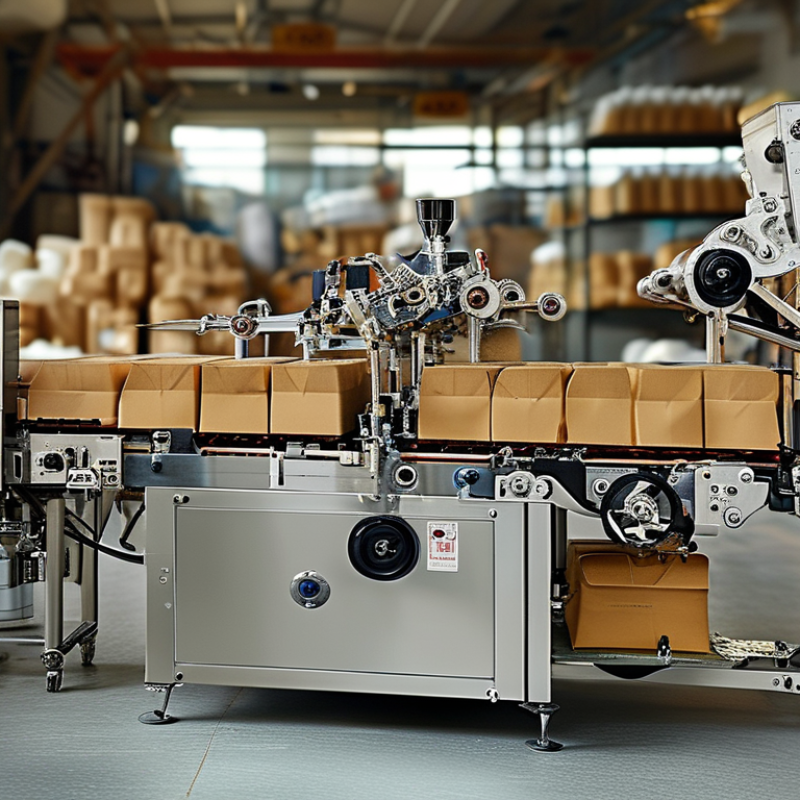
Understanding the Different Types of Flat Pouch Packing Machines
When selecting a flat pouch packing machine, understanding the different types is crucial. These machines vary in functionality, speed, and design. Common types include vertical, horizontal, and stand-up pouch machines. Vertical machines are excellent for granulated products, while horizontal variants work well for liquids. Stand-up pouch machines are perfect for items that require a display-friendly package.
Each type serves a specific purpose. For example, vertical machines often have a compact design, making them suitable for limited spaces. Horizontal models, in contrast, may occupy more room but allow for higher throughput. Choosing the right machine involves assessing the product, desired speed, and space availability.
Reflecting on your needs is essential. A machine that excels in one area may fall short in another. Consider the volume of pouches required daily and the types of materials used for packaging. Investing time in understanding these aspects can lead to better decisions. Your production efficiency may depend on it.
Key Specifications to Consider When Choosing a Packing Machine
When selecting a flat pouch packing machine, key specifications play a vital role. Considering the machine's speed should be a priority. Industry reports suggest that higher-speed machines can improve production efficiency by 20-30%. However, a machine that is too fast might not suit small production runs. Analyzing your output requirements is crucial.
Another important specification is pouch size adaptability. Machines that handle a variety of sizes offer versatility in production. According to a recent survey, over 60% of manufacturers prefer equipment that can accommodate multiple pouch sizes without downtime. This flexibility can lead to better resource management. It reflects on the demand for efficiency and responsiveness in production.
Lastly, consider the material compatibility of the packing machine. Machines designed to work with various materials, like laminates and foils, provide flexibility in packaging. Data shows that companies prioritizing material compatibility often experience a 15% increase in customer satisfaction. Balancing these specifications while reflecting on your specific needs is essential for the right investment. Factors like maintenance requirements and energy consumption should also be considered for long-term sustainability.
Evaluating Production Speed and Efficiency of Packing Machines
Production speed and efficiency are crucial factors when choosing a flat pouch packing machine. A high-speed machine can significantly enhance your output. Consider your daily production requirements. If you need to pack thousands of units, a faster machine will be more beneficial. Analyze the machine’s speed in cycles per minute. It’s a clear indicator of what you can expect.
While speed is important, efficiency shouldn’t be overlooked. A machine that operates quickly but consumes excessive energy may not be cost-effective. Look for machines that optimize energy usage while maintaining high speeds. This balance can lead to better operational costs over time. A reliable machine will maximize both production output and energy efficiency.
Remember, not all machines fit every product type. Testing a machine with your specific pouch material can yield valuable insights. Some machines struggle with thicker materials or specific seal types. Do not underestimate the need for compatibility. Frequent malfunctions can arise from using incompatible machines. Evaluate every aspect closely before finalizing your choice.
How to Choose the Best Flat Pouch Packing Machine for Your Needs?
| Machine Type | Production Speed (pouches/min) | Efficiency Rating (%) | Power Consumption (kW) | Price Range ($) |
| Automatic Flat Pouch Machine | 80 | 90 | 6 | 15,000 - 25,000 |
| Semi-Automatic Flat Pouch Machine | 50 | 85 | 4 | 8,000 - 12,000 |
| Manual Flat Pouch Machine | 25 | 70 | 2 | 2,000 - 5,000 |
| High-Speed Flat Pouch Machine | 120 | 95 | 8 | 30,000 - 40,000 |
Assessing the Adaptability for Various Packaging Materials and Sizes
When selecting a flat pouch packing machine, adaptability is crucial. It determines how well the machine can handle various packaging materials such as plastic, foil, and paper. A recent industry report indicates that businesses prioritizing material versatility see a 25% increase in operational efficiency. Machines that accommodate multiple sizes and formats can significantly reduce downtime during product changes.
Considering the dimensions of the pouches is also paramount. Many manufacturers now require packaging solutions that can adjust to different sizes quickly. A study found that over 40% of companies struggle with machinery that lacks size flexibility. This often leads to inefficiencies and increased costs. Machines designed for quick size adjustments not only save time but also enhance production scalability.
It's worth noting that not every machine achieves this flexibility flawlessly. Some may excel with certain materials but falter with others. It's essential to evaluate how well a machine can adapt to your specific needs. Investing in a model that doesn't meet your unique requirements can lead to operational challenges. Finding the right balance between adaptability and reliability will ultimately impact your production success.
Analyzing Cost-Benefit and ROI of Flat Pouch Packing Solutions
Choosing the right flat pouch packing machine involves examining both cost and potential return on investment (ROI). Recent industry reports indicate that businesses can save up to 30% in packaging costs by switching to flat pouch solutions. This type of packaging typically requires less material than traditional containers, which directly impacts overall expenses. Additionally, companies that adopt optimized flat pouch machines often see a reduction in labor costs by about 20%. These savings become significant, especially when considering high-volume production.
However, not every machine guarantees the same results. A detailed analysis of operational efficiency is essential. One study highlighted that inefficient machines could lead to up to 15% product loss during packing. Understanding the machine's speed, durability, and maintenance costs is critical. With proper equipment, the average ROI can reach up to 150% within the first three years. Investing in high-quality machines may require an upfront cost but pays off through increased productivity and lower waste levels.
Moreover, the scalability and flexibility of flat pouch systems should not be overlooked. As market demands shift, companies need packaging solutions that can adapt. Machines that offer customizable pouch sizes can help businesses respond quickly to changing consumer preferences. Balancing initial costs with long-term benefits requires careful thought and analysis. Before deciding, weigh the practical aspects of operation and the machine's impact on overall efficiency.
 Skip to content