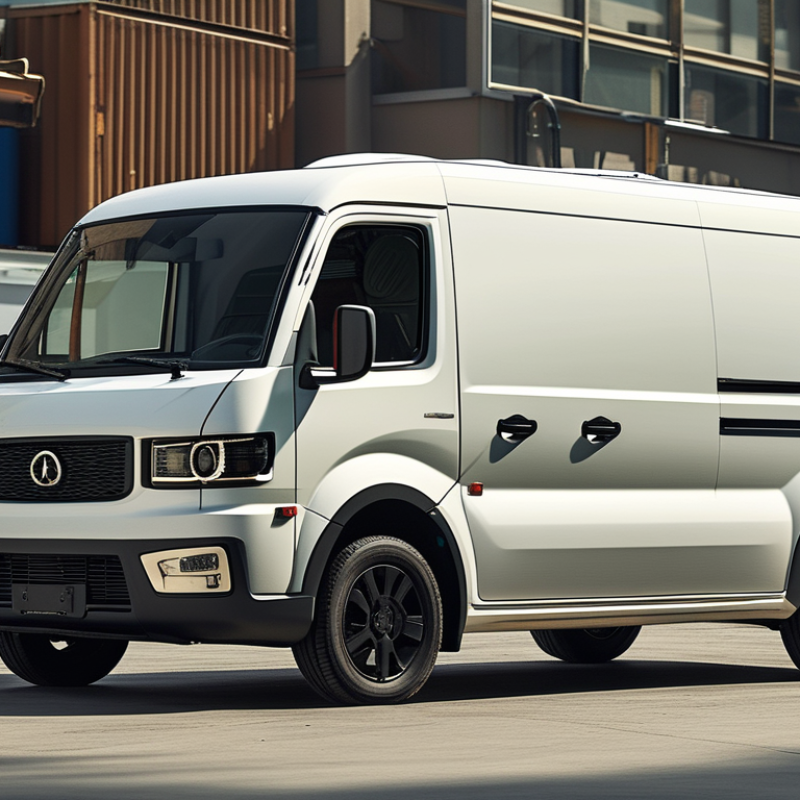
How to Choose the Best Electric Light Van for Your Business?
Selecting the right Electric Light Van can significantly impact your business operations. With various models available, making the right choice is essential. This decision influences logistics, customer satisfaction, and overall efficiency.
When choosing an Electric Light Van, consider your specific business needs. Assess the load capacity, range, and charging options. Balancing these factors can be challenging. You might worry about initial costs versus long-term savings. Remember, the right van can lead to reduced fuel costs and lower environmental impact.
Don’t overlook after-sales support and warranty services. Reliability matters, especially in business. Research brands and seek feedback from other users. This step can uncover potential issues early on. An Electric Light Van is an investment; it deserves careful thought and consideration.
Understanding Your Business Needs for Electric Light Vans
When selecting an electric light van, understanding business needs is crucial. Analyze your delivery requirements. Consider the distance covered daily. A bakery may need shorter ranges. A construction service might need robust vehicles for heavy loads. Tailoring the choice based on specific tasks can lead to better efficiency.
Think about charging infrastructure. Does your business have access to reliable charging stations? A company operating in urban areas may find public charging convenient. Meanwhile, rural businesses should ensure home charging solutions are viable. Evaluating these elements can prevent operational hiccups later.
Don’t overlook the total cost of ownership. Beyond purchase price, consider maintenance and running costs. Electric vans often have lower running costs, but upfront expenses can vary. Regular assessments of your needs and costs will enhance decision-making. Staying flexible is key; market demands change, and so should your vehicle fleet.
How to Choose the Best Electric Light Van for Your Business? - Understanding Your Business Needs for Electric Light Vans
| Feature | Description | Importance Level | Suitability for Business Type |
| Range | How far can the van go on a full charge? | High | Delivery Services, Trade Services |
| Payload Capacity | Maximum weight the van can carry. | Medium | Logistics, Catering |
| Charging Time | Time required to fully recharge the van. | High | Frequent Users, Urban Deliveries |
| Cost of Ownership | Includes purchase price, maintenance, and operational costs. | High | Small Businesses, Startups |
| Cargo Space | Amount of space available for cargo. | Medium | E-commerce, Retail |
| Technology Features | GPS navigation, safety features, connectivity. | Medium | Modern Enterprises, Tech-Driven Businesses |
Evaluating Range and Battery Life in Electric Light Vans
When selecting an electric light van, range and battery life are key factors. Many businesses may overlook the importance of these specs. A study by the International Council on Clean Transportation suggests that businesses often underestimate their daily range needs. On average, electric vans provide a range between 100 to 150 miles. However, depending on specific routes and load conditions, this might not be sufficient.
Battery life also plays a significant role. A typical electric van battery lasts between 8 to 15 years, but performance can degrade over time. For instance, a report from the European Automobile Manufacturers Association indicates that temperature and usage significantly affect battery efficiency. It's essential to evaluate how often vans will be used in extreme conditions. Newer technologies, like solid-state batteries, promise improved longevity and efficiency, yet they do come at a higher cost.
Additionally, before making a decision, reflect on your real-world requirements. Are you delivering in urban settings or covering longer distances? Data from the National Renewable Energy Laboratory shows that long idle times can drain battery life. Understanding these nuances can help select a van that truly meets your business needs. Each van's specifications should align with your operational demands to maximize utility and minimize downtime.
Assessing Payload Capacity and Cargo Space Requirements
When choosing an electric light van, understanding payload capacity and cargo space is crucial. Each business has unique needs. Assessing these requirements ensures you select a vehicle that fits your operations. For instance, a food delivery service may need a van with a specific temperature-controlled space. In contrast, a tradesman might prioritize tools and supplies storage.
Calculate the weight of the loads you typically carry. This includes equipment, materials, and any additional cargo. The van should be able to accommodate this comfortably. Overloading can harm the vehicle's performance and efficiency. Consider not only the volume but also the layout of the cargo space. A well-designed interior can maximize usability and accessibility.
Also, think about future needs. Will your business expand? Choosing a van with slightly more capacity than you currently require might save you money down the road. It's better to have extra space than to regret a cramped design. Remember, the perfect van balances payload capacity, cargo space, and your specific operational demands. By reflecting on these elements, you'll make a more informed decision.
Comparing Total Cost of Ownership for Electric Light Vans
When deciding on an electric light van for your business, understanding the total cost of ownership is crucial. This metric includes not only the purchase price but also factors like maintenance, energy costs, and depreciation. Electric vans often have lower maintenance costs compared to their gasoline counterparts. However, regional electricity prices can significantly impact overall expenses.
Consider fuel costs as well. Electric vans typically require less per mile than fuel-powered vehicles. Still, the availability of charging stations may vary by location. For certain businesses, this can create operational challenges. Analyzing charging infrastructure is essential before making a decision.
Depreciation rates for electric vehicles can differ from traditional models. This variability may affect resale value. Fleets may face unexpected financial impacts if these vehicles depreciate faster. Balancing these aspects can be tricky but necessary. Gathering data and projecting long-term financial implications will offer better insights into which electric van aligns with your business goals.
Electric Light Vans Total Cost of Ownership Comparison
Reviewing Available Models and Their Industry Performance Metrics
When choosing an electric light van, it's crucial to assess available models and their performance metrics. Start by examining the payload capacity and range. Some vans excel over short distances, while others provide a longer range, ideal for city deliveries. Evaluate the adoption of technology in each model, including battery efficiency and onboard systems.
Consider these tips when reviewing models. Look for user reviews to gauge reliability. Often, anecdotal experiences can reveal common issues not covered in official specifications. Analyzing industry reports might help you understand performance trends and owner satisfaction.
It's also important to match the van's features to your specific needs. Does it have enough cargo space? Is the driving comfort suitable for your team? Keep in mind that some models might not fit perfectly. Testing various configurations can provide better insights into what works best for your operations. Understanding your own requirements will help avoid costly mistakes.
 Skip to content