How to Choose the Best Plastic Lid for Your Needs?
Choosing the best plastic lid for your needs can seem daunting. With countless options available, understanding your specific requirements is crucial. Plastic lids serve multiple purposes, such as protecting food and beverages or providing a secure closure for containers. The right choice can enhance convenience and freshness.
When selecting a plastic lid, consider the type of container and its intended use. Will it hold liquids or solids? Is it for single-use or reusable purposes? The durability of the plastic also matters. Some lids are designed for heat resistance while others may be prone to cracking. It's important to reflect on how often you'll use the lid and what conditions it will face.
Don’t underestimate the importance of proper fit. A poorly fitting lid can lead to spills or spoilage. Look for lids that are compatible with your containers. This can be trial and error at times, as not every lid fits every container well. Ultimately, investing the time to choose the right plastic lid can lead to better organization and food safety.
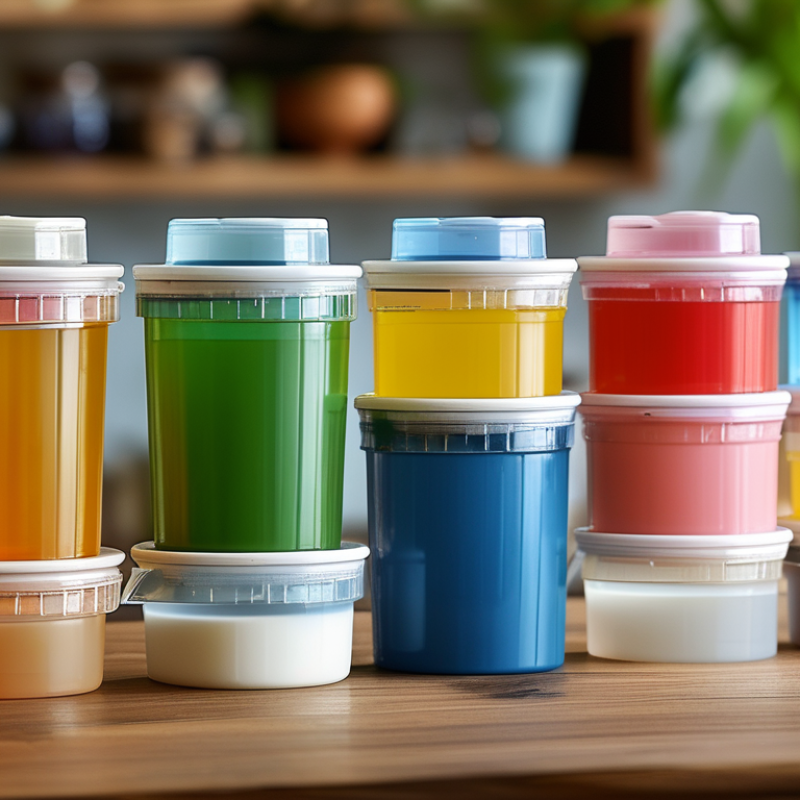
Understanding Different Types of Plastic Lids Available in the Market
When selecting the right plastic lid, understanding the various types available is crucial. Each lid serves a specific purpose, from simple covers to secure locking options. Standard flat lids are common for food containers, offering basic protection. In contrast, dome lids provide extra space, ideal for items needing room for height, like whipped cream.
Some lids come with unique features, such as sip tops for beverages. These are practical for on-the-go situations. Others might include vented lids, allowing steam to escape. This is essential for hot meals, preventing spills. However, not every lid fits every container, leading to frustration. Always check compatibility before purchase.
While plastic lids may seem straightforward, the choices can overwhelm. Consider your specific needs, such as leak prevention or insulation. Remember that not all materials are equal; some are more durable than others. It's essential to weigh factors like sustainability too. In an age of environmental awareness, finding the right balance between functionality and eco-friendliness is often complex.
How to Choose the Best Plastic Lid for Your Needs? - Understanding Different Types of Plastic Lids Available in the Market
| Lid Type | Material | Application | Temperature Resistance | Recyclability |
| Screw Cap | Polypropylene (PP) | Bottles, Jars | Up to 120°C | Yes |
| Snap-On Lid | Polyethylene (PE) | Food Containers | Up to 80°C | Yes |
| Induction Seal | Multi-layer Plastic | Beverages, Food Products | Up to 100°C | No |
| Flip-Top Lid | Polyethylene (PE) | Sauces, Dressings | Up to 90°C | Yes |
| Tamper-Evident Cap | Polypropylene (PP) | Pharmaceuticals, Food | Up to 120°C | Yes |
Evaluating the Size and Fit for Your Containers
Choosing the right plastic lid hinges significantly on the size and fit for your containers. A lid that is too tight can warp or break, while a loose one can lead to spills. When measuring, ensure you check both the diameter and height of your container. A poorly-fitting lid not only frustrates but can also compromise the integrity of your storage.
Consider the type of plastic used as well. Some lids are made from sturdy materials designed for long-term use, while others might be more suitable for short-term storage. A rigid lid can provide a better seal, especially for liquids. Think about the purpose. Are you storing leftovers or organizing craft supplies? The fit will differ based on your needs. Take time to match the dimensions accurately. A simple oversight in size can turn a functional container into a problematic one.
Regularly reassessing your needs is key. As you change what you store, the ideal lid may also change. Reflect on your choices and the performance of your lids. Make adjustments as necessary. Each experience helps refine your selection process for the best plastic lid moving forward.
Material Considerations: Choosing the Right Plastic Quality
When selecting a plastic lid, material quality is crucial. Different plastics offer varying degrees of durability, heat resistance, and chemical compatibility. Polypropylene is a common choice for its flexibility and resistance to cracking. However, it may not perform well in extreme temperatures. Polyethylene, on the other hand, is often more resistant to moisture and chemicals but can be less durable under stress.
Consider the specific needs of your application. If you require a lid for food storage, ensure it’s BPA-free. Many plastics can release harmful chemicals when exposed to heat. Always check the specifications carefully. While the cheaper options might be tempting, they could fail under pressure, leading to spills and waste. A higher-quality lid might cost more upfront but can save you money in the long run.
Not all plastic lids are created equal. Some may warp or crack after repeated use, making them unreliable. It’s important to reflect on your previous experiences. Have you faced issues with certain types before? Gathering feedback will guide your choice. Remember, finding the right lid is not a simple decision—it requires thoughtful consideration of the materials and their suitability for your needs.
Assessing the Lid Features: Airtightness, Stackability, and Reusability
When selecting a plastic lid, consider key features like airtightness, stackability, and reusability. Airtight lids protect food from spoilage. They keep odors contained and maintain freshness. When you open a lid, ensure it seals properly. Test it by pressing down; a good lid should create a tight seal that resists easy opening.
Stackable lids save space. In crowded kitchens, every inch counts. Look for lids that fit neatly on top of each other. This can aid organization and easy access. But remember, a stackable design might sacrifice some durability. Reflect on how often you’ll need to stack items.
Reusability is important for sustainability. Choose lids that withstand multiple uses over time. Some lower-quality lids may warp or crack after a few washes. This can lead to waste and added costs. Think about your usage patterns before deciding. Investing in durable options could be more economical in the long run.
Environmental Impact: Choosing Eco-friendly Plastic Options
When considering eco-friendly plastic lids, it's important to assess their environmental impact. Biodegradable options are a great choice. These materials break down faster in landfills, reducing plastic pollution. Look for lids made from plant-based sources or those designed to decompose.
Tips for choosing the right lid:
- Check for recycling symbols. Lids labeled with a number can help in recycling processes.
- Choose lighter materials. They generally require less energy to produce, which lowers carbon emissions.
- Consider whether the product can be reused. Durable lids that can withstand repeated use will minimize waste.
Don’t overlook the life cycle of the product. Not all eco-friendly materials are created equal. Some biodegradable options may still contribute to environmental harm if not properly composted. Reflect on your consumption habits. Using fewer single-use plastics will make a more significant impact than switching materials alone. The journey toward sustainability is ongoing and requires thoughtful consideration.
 Skip to content