China Best Custom Sewer Jetter Manufacturer for Sale?
Choosing a China-based sewer jetter manufacturer is not simply a search for the lowest quoted price. A suitable supplier should understand the work the machine will face, from clearing grease in narrow service lines to maintaining larger municipal drains. A Custom Sewer Jetter can be configured around practical needs, including pump capacity, hose length, reel design, engine type, and vehicle or trailer mounting. Small details matter. A reel that is awkward to operate or controls that are hard to reach can slow a crew on a wet, demanding job.
This guide explores how to assess manufacturers, compare equipment, and ask useful questions before requesting a quotation. Buyers can check materials, assembly procedures, available product testing, warranty terms, spare-parts support, and customization drawings. Ask for clear specifications, not just broad claims about performance. Where possible, review a demonstration using conditions similar to your own work. That is easy to overlook. A strong brochure cannot confirm how a machine performs after repeated use, and no single configuration suits every fleet. Confirm that the proposed equipment can meet the requirements that apply in your location. Careful comparisons help buyers discuss value, reliability, and after-sales support with greater confidence.
What Is a Custom Sewer Jetter and How Does It Work?
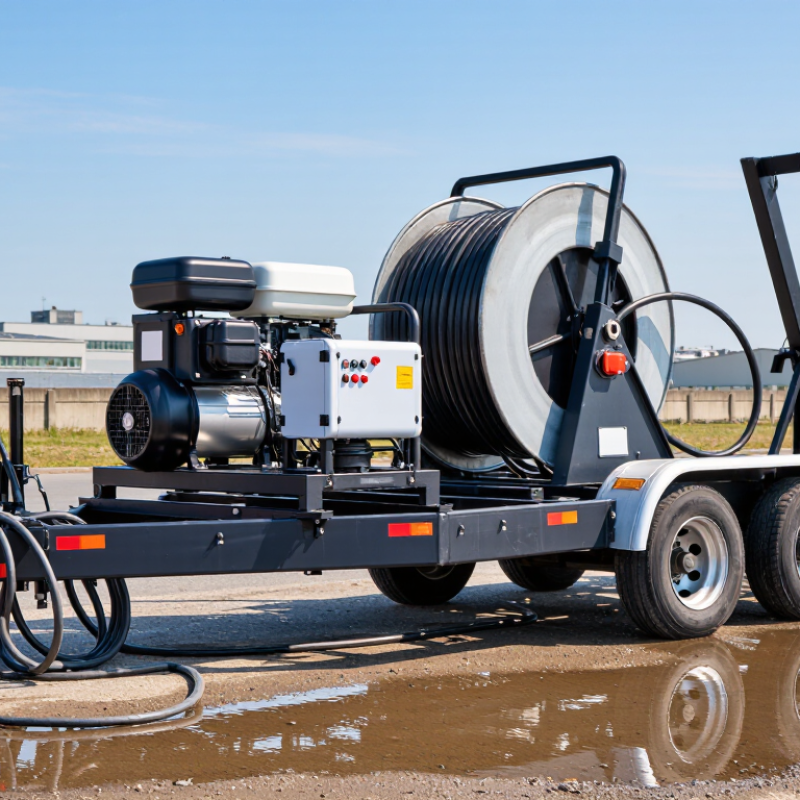
A custom sewer jetter is a drain-cleaning machine configured for a particular vehicle, pipe network, and workload. It typically combines a water tank, high-pressure pump, hose reel, and specialized nozzle. The pump sends water through the hose, while the nozzle directs jets backward to move the hose forward and loosen grease, sediment, or other soft deposits. The loosened material then flows toward an access point for removal.
It matters.
Pressure and water flow are not interchangeable. A setup with strong pressure but insufficient flow may struggle with long runs, while excess force can damage fragile or already compromised pipes. Customization can include tank capacity, hose length, nozzle style, controls, and equipment mounting. A contractor should match these choices to pipe size, access conditions, and the type of blockage, then verify the machine’s ratings and operating procedures. A larger pump is not automatically better. It can add weight, cost, and water demand without improving the job. Even careful planning has limits: pipe condition may be unclear until inspection, so operators should begin cautiously and adjust based on what the equipment reveals.
Which Customization Options Suit Different Sewer-Cleaning Needs?
Custom sewer jetters work best when their configuration matches the pipe and the crew’s daily workload. For narrow residential lines, a compact hose reel and flexible hose can improve access through tight bends. Larger municipal drains may need greater water flow, a longer hose, and nozzles suited to grease, roots, or sediment. Pressure matters, but flow rate matters too. A strong jet is not always the right jet.
Consider the water tank, pump, controls, and vehicle layout together. A tank that is too small can mean frequent refills; an oversized one may reduce useful payload. Simple pressure controls help operators adjust output as pipe conditions change. Remote controls can also keep the operator near the work area. In cold climates, ask about drain valves and accessible service points. These details seem minor until a hose freezes or a pump needs attention. There is no perfect setup for every job.
Tips: Share common pipe diameters, typical blockage types, hose reach, and daily operating hours with the manufacturer. Ask for a demonstration using realistic conditions. Test it first. A specification sheet can look convincing, yet the reel position or control response may feel awkward on site. Note that before ordering.
How to Evaluate a Chinese Sewer Jetter Manufacturer
How to Evaluate a Chinese Sewer Jetter Manufacturer
A reliable evaluation starts with the machine’s working data, not polished catalog photos. Ask for rated pressure, water flow, engine or motor details, hose length, and nozzle options. Check that the pump curve supports the stated pressure and flow together. Numbers matter. Request a live test using the proposed configuration, and watch for leaks, unstable pressure, or excessive vibration. Ask how custom changes affect delivery time, parts availability, and warranty coverage. A clear answer is useful; a vague promise is not.
Tips: Request a dated test report, component list, and close-up photos of welds, fittings, and control panels. Confirm spare-parts lead times in writing. If possible, inspect a sample unit.
Also assess the factory’s engineering and quality-control process. Ask how each unit is inspected before shipment and whether serial numbers connect to production and test records. Verify export experience relevant to your destination, but check documentation with your own qualified import adviser. A video call can help, though it cannot replace an independent inspection. No single test removes every risk. I would also compare the delivered machine with the agreed specification, because small substitutions can matter in daily use. A supplier willing to discuss limitations may be more credible than one claiming every unit is perfect.
What Quality and Compliance Standards Should Buyers Check?
When evaluating a custom sewer jetter manufacturer, check how quality is controlled from design to final testing. Ask for the quality management certificate and verify its scope and validity; ISO 9001 supports consistent processes, but it is not product approval. Request drawings, component specifications, and traceability records for the pump, hose, pressure gauge, and relief valve. Paperwork matters.
Confirm which pressure-equipment, electrical, emissions, and noise requirements apply in your destination market. Ask the supplier to identify the relevant standards in writing rather than relying on a general claim of “international compliance.” Review inspection reports, calibration records, and the operator manual. Test it wet. A witnessed factory test should record working pressure, flow rate, leakage, and emergency-stop function. Check that guards are secure and controls remain accessible with gloves on. A neat paint finish proves little about internal workmanship. It is easy to miss that. Ask how defects are logged, corrected, and retested, and whether replacement parts can be traced by serial number. Request sample documents before paying a deposit, then compare the delivered machine against the approved specifications.
How to Compare Pricing, Delivery, and After-Sales Support?
When comparing a custom sewer jetter, look beyond the quoted machine price. The U.S. Environmental Protection Agency’s 2022 Clean Watersheds Needs Survey estimated $630.1 billion in national wastewater, stormwater, and related infrastructure needs over 20 years. That figure is not a jetter price guide. It does show why buyers should examine equipment life, service access, and operating costs. Ask for an itemized quote covering the chassis, pump, hose, tank, options, freight, and commissioning. Then compare equivalent configurations. A lower quote may omit useful fittings or operator training. Check pump flow and pressure against your pipe sizes and cleaning tasks, not just the headline figures.
Delivery claims need detail. Request a written lead time, shipping terms, and a list of factors that could delay completion, such as custom tank fabrication or component availability. Confirm what inspection and acceptance checks happen before dispatch. Get after-sales terms in writing: warranty duration, excluded wear parts, response hours, remote diagnostics, and local parts availability. Ask how quickly common items, such as filters and hose assemblies, can ship. Small details matter. A service promise is less useful if nobody can explain the repair process. I would still treat any delivery estimate as provisional until key components are confirmed; vendors may not control every supplier. Compare the promised support with your crew’s actual downtime costs, and keep the assumptions beside each quote.
How to Compare Custom Sewer Jetter Suppliers
Suggested evaluation weights for comparing pricing, delivery, and after-sales support.
These percentages are a buyer-planning framework, not measured supplier market data. Compare itemized quotations, confirmed lead times, warranty terms, and documented service arrangements using the same checklist for each supplier.
 Skip to content