 Skip to content

China Best Inulin Powder Supplier for Wholesale Buyers?
Choosing a China-based Inulin Powder supplier for wholesale orders takes more than comparing prices. Buyers need to understand the product, verify the paperwork, and check whether the supplier can meet their specifications consistently. A low quote may look attractive. It may not tell the whole story.
Marcel Roberfroid, a leading researcher in prebiotic science, described a prebiotic as “a selectively fermented ingredient that allows specific changes in the composition and/or activity of the gastrointestinal microbiota, conferring benefits upon host well-being and health.” His definition helps frame why buyers should examine more than a product label. Ask for the inulin source, fiber content, solubility data, particle-size details, and a current certificate of analysis. Confirm that the documents match the batch being offered, not just a sample from last year.
Practical checks matter. Request a sample and assess its color, odor, and behavior in water or your intended formulation. Compare the quoted grade with your application, whether it is a powder blend, beverage, or nutrition product. Clarify minimum order quantities, lead times, packaging, and how the supplier handles quality concerns. A video call can show a clean production area, but it cannot replace independent testing or complete records. No checklist removes every uncertainty. Even experienced buyers can miss a detail when schedules are tight. This guide explores how to evaluate China’s Inulin Powder suppliers with clear questions, realistic expectations, and a focus on dependable wholesale sourcing.
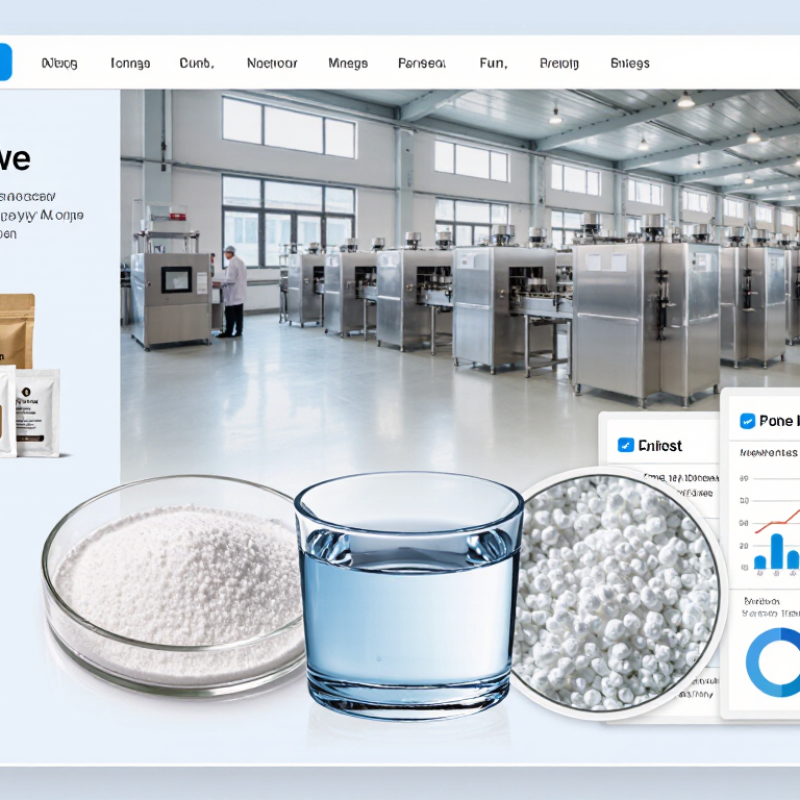
What Inulin Powder Is and How It Is Produced in China
Inulin is a naturally occurring soluble fiber found in plants, especially chicory roots. In China, manufacturers commonly clean and slice the roots before extracting inulin with hot water. The extract is filtered and purified, then concentrated and spray-dried into a fine powder. The powder should flow freely, with a mild, slightly sweet taste. Small differences in raw material and processing can affect its color, solubility, and fiber content.
Grand View Research’s 2024 Inulin Market report estimated the global market at USD 1.9 billion in 2023 and projected a 6.8% compound annual growth rate through 2030. This market estimate signals demand, but it does not verify any individual supplier’s quality. Wholesale buyers should compare product specifications and request recent certificates of analysis, including dietary fiber, moisture, and microbiological results. Check the test methods, too. A specification can look precise while leaving important details unclear. I would also ask whether the sample matches the production batch; that point is easy to overlook.
| Data dimension | Inulin powder information | Wholesale buyer considerations |
|---|---|---|
| What inulin is | Inulin is a naturally occurring fructan: a carbohydrate composed mainly of fructose units, commonly with a terminal glucose unit. It is used as a soluble dietary fiber ingredient. | Confirm the ingredient identity, source, and applicable food-grade specifications for the intended market. |
| Common plant sources | Commercial inulin is commonly obtained from chicory roots. Jerusalem artichoke tubers are another plant source used for inulin-containing ingredients. | Ask the supplier to identify the botanical source and provide traceability information for the raw material. |
| Production in China | Production methods depend on the raw material and product grade. A typical process includes cleaning and cutting the plant material, extracting inulin with water, separating insoluble solids, purifying and concentrating the extract, then drying it into powder. | Request a process overview and confirm whether the product is manufactured from the stated source rather than merely repacked. |
| Purification and drying | Filtration and other purification steps remove plant solids and reduce unwanted components. Concentrated extract may be dried, for example by spray drying, to produce a free-flowing powder. | Check the product specification for appearance, moisture, purity, and any other parameters relevant to your application. Values vary by grade and producer. |
| Chain length and grade | Inulin contains chains of different lengths. The chain-length profile can affect properties such as sweetness, solubility, and performance in food formulations. Some products are processed to contain a higher proportion of shorter-chain fructans. | Ask for the chain-length or degree-of-polymerization information when it matters to texture, taste, or formulation performance. |
| Functional properties | Inulin is used to increase dietary fiber and can contribute bulk or a creamy mouthfeel in certain foods. Its functionality depends on concentration, chain length, processing conditions, and the surrounding formulation. | Request samples for trials in the actual product matrix; performance in beverages, baked goods, and dairy-style products may differ. |
| Quality documents | A commercial specification commonly states identity, assay or fiber content, moisture, ash, appearance, microbiological limits, and test methods. The exact limits depend on the product and destination-market requirements. | Review a recent certificate of analysis for the lot, specification sheet, allergen statement, and food-safety documentation before purchase. |
| Food safety and compliance | Requirements for permitted use, labeling, contaminants, and documentation vary by country and application. A general product description alone does not establish regulatory suitability. | Verify compliance for the destination market with the supplier and your regulatory adviser; request relevant audit or food-safety records. |
| Wholesale purchasing checks | Bulk supply terms may differ by grade, packaging format, order volume, and shipping destination. Lead time and shelf life should be confirmed for the specific lot and order. | Compare the same grade and specification when evaluating quotations. Confirm minimum order quantity, packaging, delivery terms, shelf life, and batch traceability in writing. |