 Skip to content
10 Best To Go Containers for Global Buyers?
Choosing the right To Go Containers can shape food quality, customer trust, and shipping costs. Global buyers need more than attractive packaging. They need containers that perform during filling, stacking, transport, and service.
This guide examines ten practical options for different food businesses and purchasing conditions. We consider paperboard, molded fiber, plastic, aluminum, and reusable designs. Each material has strengths and limitations. A soup container may need a secure lid and strong heat resistance. A salad box may need clear visibility and ventilation. A delivery container needs stable corners and reliable leak control.
Small details matter.
During real purchasing, buyers should request samples before placing large orders. Check lid fit with hot food, condensation after thirty minutes, and strength under stacked weight. Ask suppliers for material specifications, food-contact documentation, test records, and consistent production samples. Regional recycling systems also matter. A container marketed as “compostable” may not suit local collection facilities. That claim deserves careful verification.
Pricing can be misleading. A cheaper unit may require stronger outer cartons or create more product waste. A premium option may reduce leakage complaints, but not always. Supplier communication, minimum order quantities, lead times, and printing accuracy should receive equal attention. This article offers a practical comparison, not a universal verdict. The best choice depends on menu design, climate, transport distance, budget, and local disposal infrastructure. Some recommendations may need reconsideration after field testing. That is normal. Reliable packaging decisions improve through evidence, not assumptions.
What Are To-Go Containers and Why Do Global Buyers Need Them?
What Are To-Go Containers and Why Do Global Buyers Need Them?
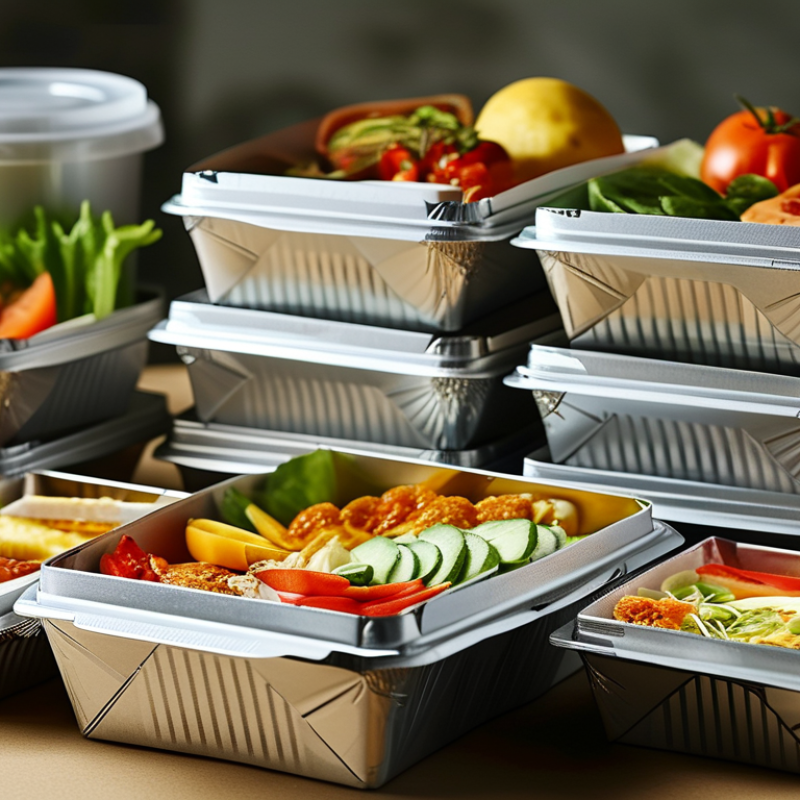
To-go containers hold prepared food for takeaway, delivery, and short-term storage. They protect meals from spills, heat loss, moisture, and handling damage. For global buyers, the right container also supports safer transport and smoother daily operations. A restaurant may need leak-resistant soup cups, while a bakery may require clear boxes that preserve product shape. These needs differ by menu, climate, and delivery distance.
In my experience, buyers often focus on unit price first. That choice can create hidden costs later. Weak lids, poor stacking, or unsuitable materials may cause returns and food waste. Professional purchasing teams should check container size, wall strength, closure performance, and storage efficiency. They should also request food-contact documentation and test samples before placing large orders. Local requirements can differ, so compliance should be confirmed for every target market. No container solves every problem. Some designs perform well with dry meals but fail with oily sauces.
Tips: Test containers with real food, not only water. Check sealing after transport simulation. Measure filled containers in delivery bags. Review carton dimensions before shipping. Buyers should compare total landed cost, including freight, storage, damage, and disposal concerns. Small details matter. A practical trial may reveal problems that a product sheet misses.
10 Best To Go Containers for Global Buyers? - What Are To-Go Containers and Why Do Global Buyers Need Them?
A practical comparison of widely used food-to-go container formats, based on material performance, transport suitability, food-service applications, and international purchasing considerations.
| Rank | Container Type | Typical Capacity | Common Materials | Typical Temperature Capability | Best-Fit Applications | Key Advantages | Global Buyer Considerations |
|---|---|---|---|---|---|---|---|
| 1 | Microwave-Safe Hinged Clamshell | 500–1,200 ml | Food-grade polypropylene (PP) | Commonly about −20°C to 120°C; always confirm the supplier rating | Hot meals, rice dishes, pasta, fried food, takeaway combinations | Leak-resistant design One-piece lid Stackable | Check microwave labeling, hinge durability, vent design, nesting ratio, and import rules for food-contact plastics. |
| 2 | Clear Deli Container with Separate Lid | 240–1,800 ml | PP, polyethylene terephthalate (PET), or rPET | PP versions are often suitable for chilled or warm foods; PET versions are generally for cold foods only | Salads, desserts, sauces, fruit, meal preparation, chilled foods | Product visibility Multiple sizes Efficient stacking | Confirm whether the lid is included, whether the base and lid are compatible across sizes, and whether recycled content is legally permitted for the intended food use. |
| 3 | Molded-Fiber Clamshell | 500–1,200 ml | Sugarcane bagasse, bamboo fiber, or other molded plant fiber | Usually suitable for hot and cold foods; grease and heat limits vary by coating and design | Burgers, fries, rice meals, bakery items, catering portions | Renewable fiber option Good rigidity Plastic-reduction programs | Do not assume compostability. Verify local certification, coating composition, PFAS status, moisture resistance, and disposal infrastructure in the destination market. |
| 4 | Kraft Paperboard Food Box | 400–1,500 ml | Paperboard with a water- or grease-resistant lining | Generally designed for warm or room-temperature food; lining determines liquid and heat resistance | Sandwiches, noodles, bakery goods, snacks, dry meals, delivery orders | Lightweight Printable surface Flat shipping format | Review lining type, paper grammage, moisture resistance, food-contact declaration, carton compression strength, and packaging-volume efficiency. |
| 5 | Aluminum Foil Meal Tray | 300–2,000 ml | Food-grade aluminum | Often suitable for freezing and oven heating; microwave use is generally unsuitable unless specifically approved | Ready meals, roasting, catering, baking, frozen food, airline-style meal service | Excellent heat tolerance Freezer compatible Strong barrier | Check oven and freezer ratings, rim compatibility, lid material, sharp-edge control, nesting performance, and destination-country recycling requirements. |
| 6 | Reusable PP Food Storage Container | 500–2,000 ml | Durable food-grade polypropylene with reusable lid | Many products are designed for refrigeration and reheating; exact limits depend on the formulation and lid | Meal prep, office lunches, institutional catering, returnable food-service systems | Reusable Low unit cost over time Lightweight | Evaluate cycle life, lid sealing, washing method, dishwasher compatibility, reverse logistics, and the total cost of collection and sanitation. |
| 7 | Stainless-Steel Tiffin or Lunch Box | 500–1,500 ml | Food-grade stainless steel, commonly with silicone or polymer seals | Suitable for hot and cold foods; not normally intended for microwave use | Reusable lunches, catering, meal delivery, travel, institutional food programs | Long service life Odor resistant Highly recyclable material | Check steel grade, weld quality, seal replacement, corrosion resistance, empty weight, cleaning requirements, and packaging protection during ocean freight. |
| 8 | Compostable Coated Paper Bowl with Lid | 350–1,000 ml | Paperboard with plant-based or other approved moisture barrier; lid may be fiber, PP, PET, or a compatible compostable material | Suitable for hot or cold foods when the coating and lid are rated for the intended use | Soups, salads, cereals, desserts, noodles, takeaway beverages and meals | Good for liquid foods Lightweight Wide size range | Confirm full-system compatibility between bowl and lid, compostability certification, leakage testing, coating chemistry, and local collection availability. |
| 9 | Clear PET or rPET Cold-Food Box | 250–1,200 ml | Polyethylene terephthalate (PET) or recycled PET where permitted | Primarily intended for chilled or room-temperature foods; not normally suitable for hot filling or microwave use | Salads, sandwiches, fruit, pastries, desserts, chilled ready-to-eat meals | High clarity Good shelf presentation Rigid structure | Check cold-food limitations, recycled-content rules, lid fit, anti-fog requirements, stacking strength, and recyclability labeling for the target market. |
| 10 | Collapsible Silicone Food Container | 300–1,500 ml | Food-grade silicone, often combined with a rigid rim or lid | Many products tolerate freezing and reheating; exact temperature limits vary by silicone grade and components | Reusable travel meals, household storage, outdoor food service, premium takeaway programs | Space saving Reusable Flexible storage | Assess compression recovery, odor retention, lid sealing, silicone migration testing, washing requirements, and higher freight cost per unit due to product weight. |