How to Choose the Best CPR Training Dummies for Effective Practice?
When selecting Cpr Training Dummies, it's essential to consider their impact on effective practice. Studies reveal that realistic training increases retention rates. According to the American Heart Association, proper practice is crucial. Over 70% of participants improve their skills through realistic simulations. This demonstrates the importance of investing in high-quality CPR training dummies.
Many options exist, each designed for different learning environments. Some dummies offer feedback on compression depth and rate. This feedback helps participants adjust their techniques. Additionally, diverse anatomical features ensure learners can apply their skills effectively. However, not all dummies provide accurate representations. Choosing the wrong type can hinder learning outcomes.
As you evaluate options, reflect on the unique needs of your training group. Ensure that dummies match the proficiency levels and learning goals of your participants. Selecting the right CPR training dummies is a critical step in fostering competent and confident lifesavers. A thoughtful choice can lead to improved emergency response skills.
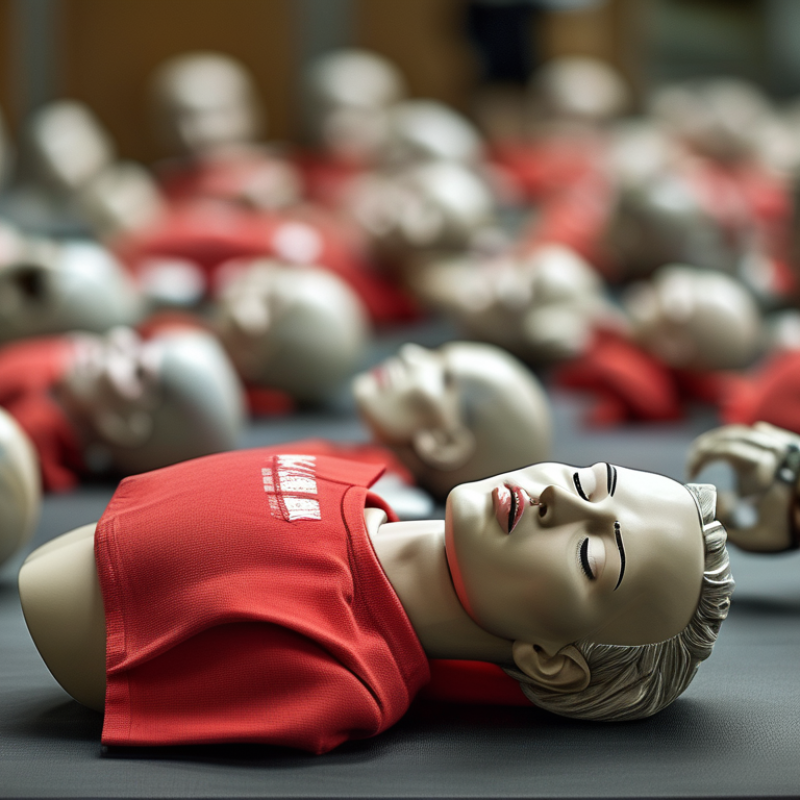
Factors to Consider When Selecting CPR Training Dummies for Quality Practice
When selecting CPR training dummies, several factors are crucial for ensuring effective practice. The realism of the dummy is essential. Look for ones that mimic human anatomy closely. A realistic design helps trainees understand chest compressions and airway management better. Pay attention to the weight and size. Dummies should ideally reflect the weight of a standard adult. This allows for optimal technique in practicing CPR.
Another important aspect is ease of use and maintenance. Choose dummies that are simple to set up and clean. This ensures that training sessions run smoothly. Replaceable parts can prolong the life of your dummy. This is a practical consideration for continuous training. Remember, consistent practice is key to mastering CPR skills.
Tips: Ensure your training dummy has features like feedback mechanisms. They help monitor the depth and rate of compressions. Also, consider dummies with visible lung inflation. This visual cue reinforces correct ventilation techniques. Reflect on the feedback you receive during practice. Adjusting your technique is vital for improvement.
Understanding Different Types of CPR Training Dummies and Their Uses
When selecting CPR training dummies, it's crucial to understand the various types available. Adult, child, and infant dummies serve different learning needs. Adult dummies mimic the physical characteristics of an average adult, making them suitable for adult CPR practice.
Child dummies are smaller in size, designed for pediatric training. This encourages learners to focus on techniques specific to children. Then, there are infant dummies, which are vital for learning proper techniques for the youngest patients. Each dummy type has specific features that aid in effective practice.
Consider the materials used in these dummies. Some are durable while others are more affordable but less long-lasting. The ability to replace parts, like lungs, can also impact long-term usability. It's essential to reflect on how these details affect the overall learning experience. Be cautious when prioritizing price over quality. High-quality dummies facilitate better skills development, leading to greater confidence in real-life situations.
Industry Standards for CPR Training Dummies: What to Look For
Choosing the right CPR training dummy is crucial for effective practice. Industry standards provide guidance on what to consider. First, look for dummies that closely mimic human anatomy. Features like realistic chest rise and fall enhance the training experience. Anatomical landmarks should be marked clearly for proper hand placement.
Consider the weight and size of the dummy. A well-balanced dummy simulates the resistance of a human body. This can help trainees apply the appropriate pressure during compressions. Dummies that allow for easy maintenance increase their reliability. Ensure they can withstand repeated use without damage.
Not all dummies meet the same standards. Some may lack essential features, making practice less effective. It’s essential to assess the accuracy of the feedback provided by the dummy. Feedback mechanisms that are not reliable can hinder learning. Reflect on your training goals and ensure the dummy aligns with them.
How to Choose the Best CPR Training Dummies for Effective Practice?
| Feature | Description | Importance Level |
| Realism | The dummy should mimic human anatomy closely, especially the chest and airway structure. | High |
| Weight | Similar to an average adult to provide realistic handling and transport during training. | Medium |
| Feedback Mechanisms | Includes visual or audible feedback to indicate correct compressions and ventilations. | High |
| Adjustable Settings | Allows varying levels of resistance and feedback for different training scenarios. | Medium |
| Durability | Made from high-quality materials that withstand repeated use without degrading. | High |
| Maintainability | Easy to clean and replace parts to ensure hygiene and performance. | Medium |
| Size Variety | Availability in different sizes (adult, child, infant) for comprehensive training. | High |
| Cost | Reasonably priced, balanced against the features and durability offered. | Medium |
The Importance of Realism in CPR Training Dummies for Effective Learning
Choosing the right CPR training dummy is crucial for effective learning. Realism plays a vital role in this process. When students use lifelike dummies, they can better connect with the skills they are learning. A realistic dummy mimics the human body in size, weight, and response, offering a more authentic practice experience.
For instance, a dummy that has a realistic airway and chest compression feedback enhances muscle memory. This feedback helps learners understand their strengths and weaknesses. However, not all dummies are equal. Some may lack essential features, leading to frustration during practice. Ensuring that a dummy simulates a real-life scenario prepares students for actual emergencies.
Also, consider the materials used in the dummy. Dummies made from durable materials withstand rigorous training sessions. However, lower-quality options might not provide the desired experience. Continuous reflection on training tools is essential for educators. They must evaluate whether their dummies meet the training standards necessary for effective learning and skill retention.
Comparison of CPR Training Dummy Features
Cost vs. Quality: Evaluating the Best CPR Dummies for Budget-Conscious Buyers
When selecting CPR training dummies, cost and quality often clash. Many buyers fear that cheaper options compromise effectiveness. However, lower-priced dummies can still offer essential functionality for basic training needs. Look for models that provide realistic chest resistance and proper airway management capabilities. These features ensure trainees practice skills accurately, even on a budget.
Quality should not be overlooked. Some inexpensive dummies may lack durability and lifelike features. A poorly designed dummy may lead to bad habits, which can prove dangerous in real-life situations. Opt for a balance between cost and quality. Read reviews and seek expert opinions to find reliable training tools that enhance your learning experience. Investing a little more often results in a more realistic training session.
It’s also vital to assess the long-term needs. Will this dummy last through several classes? Check the materials used and the warranty offered. Sometimes, spending more upfront can save costs later. Reflect on how consistent practice improves confidence and performance. A well-chosen dummy not only aids in skill acquisition but also reinforces the importance of high-quality training in life-saving procedures.
 Skip to content