Skip to contentFor global buyers, choosing the right plastic production methods in 2026 requires more than comparing unit prices. Production volume, part geometry, resin performance, tooling cost, and delivery distance all influence the final decision. A medical cap, automotive duct, and food container cannot follow the same manufacturing path.
Injection molding remains practical for high-volume parts with tight dimensions. Extrusion suits continuous products, such as pipes, films, and profiles. Blow molding supports hollow containers, while thermoforming can reduce tooling costs for larger, lighter components. Rotational molding also helps produce durable hollow products, although cycle times may be longer. Additive manufacturing has value for prototypes and low-volume customization, but it may not replace conventional production at scale.
Details matter. A buyer should request resin grades, mold-flow analysis, dimensional reports, and batch traceability before approving production. Factory audits can reveal cooling-water systems, material storage conditions, and operator controls that documents sometimes hide. Reliable suppliers should explain testing standards, recycled-content claims, and applicable market requirements without making vague promises.
There is no universal winner.
Even experienced sourcing teams can misjudge demand or underestimate mold maintenance. A low quotation may exclude inspection, packaging, or future tooling repairs. This guide compares leading plastic production methods through practical cost, quality, sustainability, and scalability considerations. It also highlights limitations, because responsible purchasing depends on evidence, not confident sales language. For international buyers, that balanced view can support safer decisions, clearer supplier communication, and more predictable results in 2026.
2026 Top Plastic Production Methods for Global Buyers
Plastic Production Methods: Materials, Processes, and Selection Criteria
For global buyers, plastic production starts with material behavior, not machinery. Polyethylene suits flexible films and containers, while polypropylene offers stiffness and repeated-use durability. Engineering plastics can tolerate heat, pressure, or chemicals, but they usually cost more and require tighter processing control. Recycled content can reduce resource use. Its quality may vary.
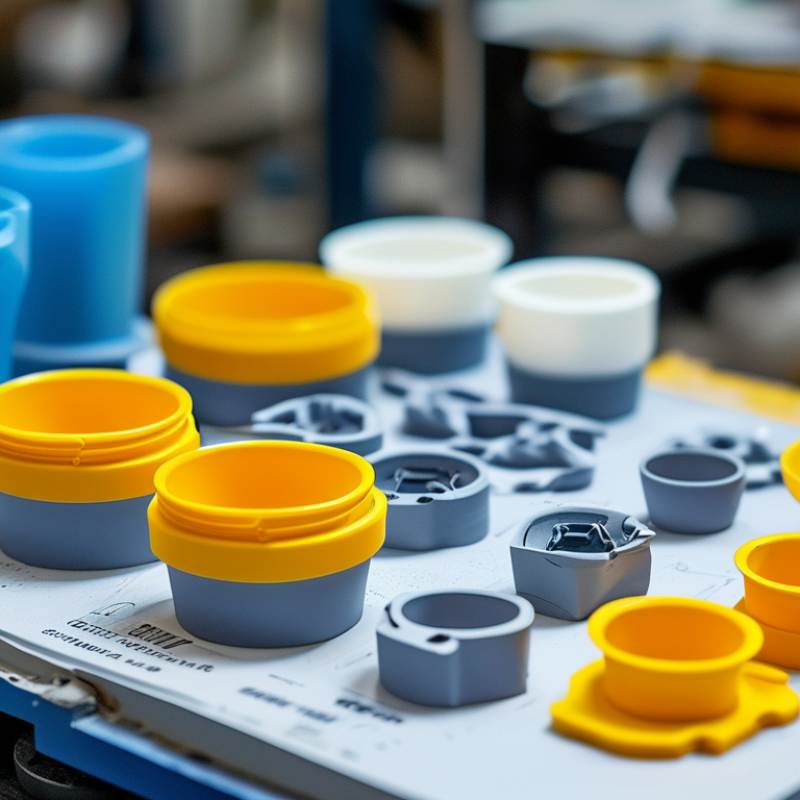
Injection molding produces precise parts at high volume, using heated resin and a shaped mold. It works well for housings, caps, fittings, and other repeatable components. Blow molding forms hollow products, such as bottles and tanks, through air pressure inside a tube. Extrusion creates continuous profiles, sheets, pipes, and films. Thermoforming heats plastic sheet and presses it over a mold, often reducing tooling complexity. Compression molding remains useful for larger, reinforced parts and selected heat-resistant materials.
Selection should connect product demands with measurable production limits. Check impact strength, operating temperature, wall thickness, tolerances, surface finish, order volume, and expected service life. A low unit price can hide mold costs, scrap, transport weight, or difficult quality inspections. Ask for material certificates, sample testing, dimensional reports, and clear acceptance criteria before approval. Small pilot runs reveal warping, sink marks, weak weld lines, and color differences. I have seen specifications fail because sunlight exposure was ignored. A rushed choice may pass a sample test yet fail after months of repeated loading. That risk deserves honest review.
Typical melt-processing temperature ranges help buyers compare material and process requirements. Lower-temperature polymers such as PVC and LDPE can reduce thermal energy demand, while PET, ABS, and polypropylene generally require higher processing temperatures. Actual settings depend on grade, tooling, product geometry, moisture control, residence time, and the selected process, including injection molding, extrusion, blow molding, or thermoforming.
2026 Top Plastic Production Methods for Global Buyers
Injection Molding for High-Volume Precision Plastic Parts
Injection molding remains a strong choice for high-volume precision plastic parts. The process delivers repeatable cycles, complex geometry, and low unit costs after tooling is validated. PlasticsEurope’s Plastics – the Fast Facts 2023 reported global plastic production of 400.3 million tonnes in 2022. That scale keeps demand high for efficient, reliable molding.
Precision starts before the mold reaches the press. Engineers must control resin drying, mold temperature, injection speed, cooling time, and shrinkage. ISO 20457 provides guidance for tolerances on molded plastic parts. However, tighter tolerances increase tooling, inspection, and process-control costs. A practical mistake is treating the drawing as the whole solution. Material grade, gate location, wall thickness, and fiber orientation can change dimensions visibly. Even a validated mold may need tuning.
Tips: Ask suppliers for first-article data and capability studies. For critical dimensions, request Cpk results, often targeting 1.33 or higher when suitable. Confirm resin certificates, lot traceability, and measurement equipment calibration. Use a pilot run before full production. Review warpage under real assembly conditions, not only on a flat inspection table. For global buyers, document packing, storage temperature, and shipment humidity. Small details matter.
Extrusion suits products made with a steady, uninterrupted profile. Pipes, sheets, films, seals, and cable coatings commonly use this method. Plastic pellets melt inside a heated barrel, then pass through a shaped die. Cooling often follows immediately. Water baths, air rings, or calibrated rollers control the final dimensions.
Blow molding creates hollow products by inflating a heated plastic tube inside a mold. The process supports bottles, ducts, drums, and technical containers. Air pressure must remain stable. Otherwise, corners may become thin, while the base becomes unnecessarily heavy. Buyers should request wall-thickness maps, leak-test results, and production samples before approving large orders.
Material selection affects melt strength, cooling time, and recycling options. Extruded parts may show warping when temperature control is uneven. Blow-molded parts can develop weak pinch-off lines or visible weld marks. These defects are not always obvious in photographs. A reliable supplier should explain tooling limits, tolerance ranges, batch testing, and inspection frequency. Production speed also deserves careful review. Faster output may reduce unit cost, but it can increase scrap and dimensional variation. No process is perfect. Even a clear specification may miss real factory conditions, so pilot runs and independent measurements remain valuable for global buyers.
Thermoforming, compression molding, and rotational molding serve different purchasing needs. Choosing well starts with the part, not the factory’s sales promise. Thermoforming heats plastic sheets and shapes them over a mold. It suits trays, covers, interior panels, and large thin-walled parts. Tooling is usually faster and less expensive than injection molding. However, wall thickness can vary near corners and deep draws. Buyers should inspect sample parts with calipers, especially around ribs and openings.
Compression molding places measured material into a heated mold, then applies pressure. This method works well for durable components, electrical housings, and fiber-reinforced products. It can deliver strong surfaces and stable dimensions. Cycle times may be longer, but material waste can remain controlled. Ask for mold temperature records, cure data, and batch traceability. A polished sample may hide weak internal bonding. That deserves attention.
Rotational molding forms hollow products by heating plastic powder inside a rotating mold. It is practical for tanks, containers, playground components, and protective covers. The process avoids expensive high-pressure equipment and supports large parts with rounded geometry. Yet, cycle control affects thickness and warpage. Buyers should request section cuts from approved samples, not only visual photos. A low unit price can still be a poor decision. I have seen specifications overlook drain design, UV exposure, and shipping distortion. These details often create later costs. Production should be judged through material certificates, dimensional reports, impact tests, and packaging trials. Samples are useful, but one sample is never enough.
In 2026, global buyers should compare plastic production methods against the product’s real requirements. Injection molding suits repeatable parts with tight dimensions, but tooling can be expensive. Extrusion works well for pipes, sheets, and films with steady profiles. Blow molding supports lightweight bottles and containers. Thermoforming may reduce tooling costs for larger, simpler shapes.
Cost needs more than a unit-price comparison. Request tooling fees, material grades, cycle times, packaging costs, and minimum order quantities. A low quotation can hide high scrap rates or expensive mold repairs. Ask for sample parts from the intended production line. Measure wall thickness, weight, color, and fit before approving mass production. Small differences matter.
Quality evidence should include inspection records, calibration dates, batch codes, and controlled change procedures. Compliance checks should match the destination market and product application. Confirm material declarations, migration testing where relevant, worker safety controls, and documented waste handling. Sustainability claims require evidence, not attractive wording. Ask about recycled content percentages, energy use per kilogram, renewable electricity, and factory waste recovery. Recycled resin can vary between batches, so performance testing remains necessary. I have seen buyers focus on recycled content while overlooking moisture control and contamination risks. That approach sounds responsible, but it may produce weak parts and more waste. Supplier audits should include photographs, production records, and corrective-action deadlines. Perfect data is uncommon; unexplained data is the bigger concern.